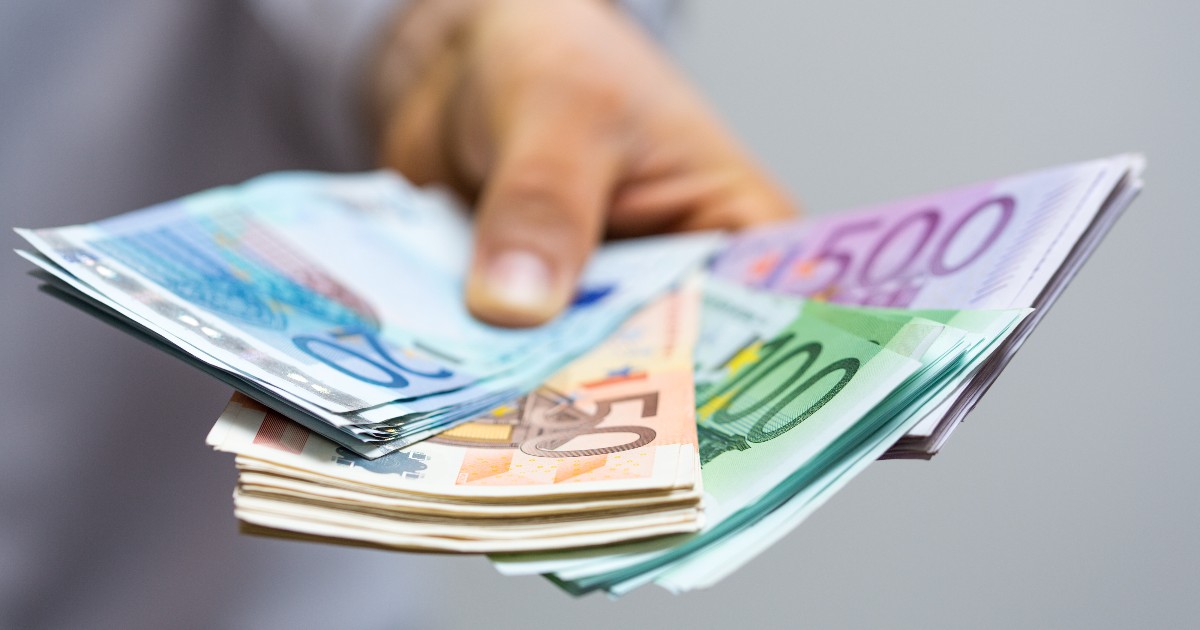
Healthcare, taxation and family support are at the heart of Italy’s 2027 budget, worth roughly 26 billion euros. The Meloni government’s package also includes measures for young workers, businesses and motorists, though it still has to make its way through parliament.
Around 5 billion euros have been earmarked for healthcare. The National Health Fund will rise to 146.3 billion euros, an increase of 3.4 billion, with additional resources allocated to pay emergency room doctors.
There is also a 300-euro health voucher for people over 75 with annual pensions of up to 28,000 euros, to be used for services not covered by the National Health Service, including dental care.
On taxation, the second Irpef (personal income tax) bracket, taxed at 33%, would be extended up to 55,000 euros of income, offering a maximum benefit of 500 euros a year. For self-employed workers, the threshold for the flat-tax regime would rise from 85,000 to 100,000 euros. However, extending the VAT exemption will require approval from the European Union.
Families would benefit from an extra month of parental leave paid at 80%: the total would rise to four months, five for a second child and six from the third child onward.
A savings fund is also planned for every newborn, fed by the state with 100 euros a year, which families could top up and which children could access once they come of age for education, activities or supplementary pension savings. Continuing the scheme beyond 2027 will require additional funding.
For workers under 30, the package includes a bonus of 2,500 euros taxed at just 1%, payable either as a lump sum or in twelve monthly installments.
Rental taxation would also change: the flat tax on agreed-rent contracts would drop to 5%, falling as low as 1% for leases to tenants under 35. Commercial properties would be taxed at a rate of 21%.
An 850-million-euro fund is set aside for pensions, aimed at making retirement more flexible for workers under the contribution-based system. The details remain to be worked out, including the possibility — backed by the Lega party — of allowing retirement at age 64.
On housing, the government plans to confirm renovation tax deductions at 50% for primary residences and 36% for other properties, along with the furniture bonus, capped at 5,000 euros in spending.
Businesses would receive 2.4 billion euros for the single Special Economic Zone (Zes) in southern Italy and one billion euros to help small and medium-sized enterprises cope with energy costs. The “super deduction” on labor costs would rise to 140% for hiring young workers and 180% for hiring working mothers.
On the automotive front, the exemption from vehicle tax for cars up to 80 kilowatts and for motorcycles would become permanent. Drivers would also be able to choose the letters and numbers on their license plates for an additional fee.
Funding for the package would come from around 12 billion euros in EU fiscal flexibility, 5.5 billion euros from the financial sector and the Tobin tax, along with contributions from energy companies and the gambling sector. A further one billion euros would come from spending cuts across government ministries and the Prime Minister’s office.