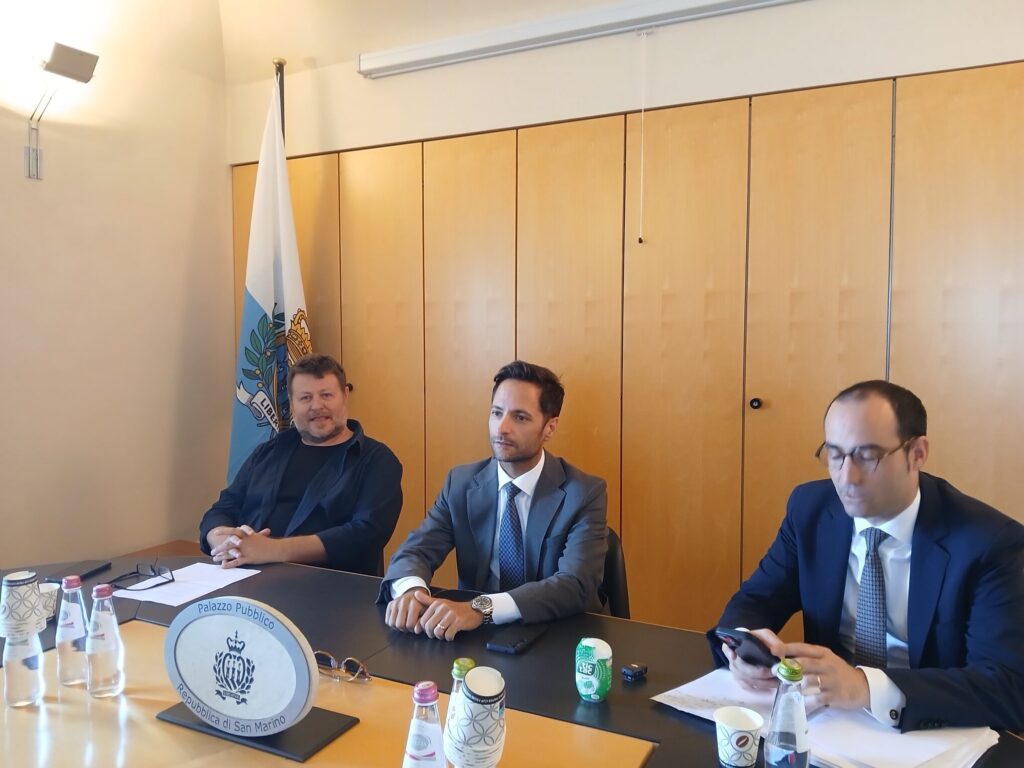
An alleged network of false invoices and cash, with money moving from Italy to San Marino and the possible use of the Rovereta casino to launder illicit proceeds. This is the picture emerging from the investigation into Giochi del Titano, as described by L’Informazione di San Marino, which reports new details on the proceedings.
According to the newspaper’s reconstruction, slot machine play allegedly made it possible to transform cash into sums accompanied by a formal justification: gambling winnings. This step, investigators suspect, was designed to obscure the origin of the money and reintroduce it into the legitimate financial system.
The machines, the paper reports, on average paid back to players between 92% and 95% of the amounts inserted. The portion lost would therefore have been regarded by the alleged scheme’s organisers as an acceptable cost for cleaning the money. There was no need to recover every euro put in: losing a small percentage was simply the price of the operation.
Completing the mechanism were the payment methods used. The casino allegedly settled winnings through more than a thousand cheques, each bearing the relevant justification, or through top-ups onto prepaid payment cards. This very conversion — from cash to payments formally attributable to gambling — is one of the central points of the investigative reconstruction outlined by L’Informazione.
The proceedings involve seven people: Elio Marino and his partner Aizada Chokoeva, along with five other figures among officials and employees of the Rovereta casino, including the director and deputy director. Giochi del Titano itself, as a legal entity, is also under investigation. The charges reported by the newspaper concern alleged self-laundering and money laundering.
The San Marino investigation was triggered by a letter rogatory sent by the Ravenna Public Prosecutor’s Office in January 2026. Behind the gambling activity, investigators believe, lies a network of Italian companies used to issue and exploit invoices for non-existent transactions, generating the cash flows later transferred into the territory of the Republic.
According to the newspaper, Marino allegedly directly managed four shell companies, formally registered to family members: Beta Costruzioni, Gamma Montaggi, Montaggi Service and Geo Impianti. Through these firms, more than seven and a half million euros were allegedly transferred to other companies described as having no employees, premises or utility accounts.
After the bank transfers, the money was allegedly withdrawn entirely in cash in Lombardy, thanks to arrangements with contacts at the recipient companies. The sums then reportedly made their way to San Marino, where they were used to fund massive slot-machine play.
A further line of inquiry concerns the possible tampering with the machines to guarantee winnings. This is a circumstance still to be verified, and one that, if confirmed, could also lead to charges of fraud. The picture described remains an investigative reconstruction: the responsibility of the individuals and the company involved will need to be established during the proceedings.