Public finances, end-of-life legislation, the appointment of the new Gendarmerie commander and the state of justice. These are among the most delicate dossiers awaiting the Grand and General Council (Consiglio Grande e Generale), convened for nine sessions between October and November.
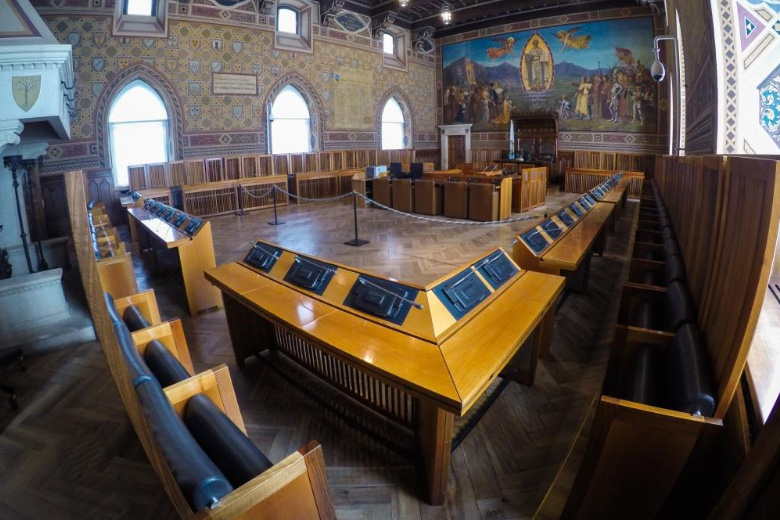
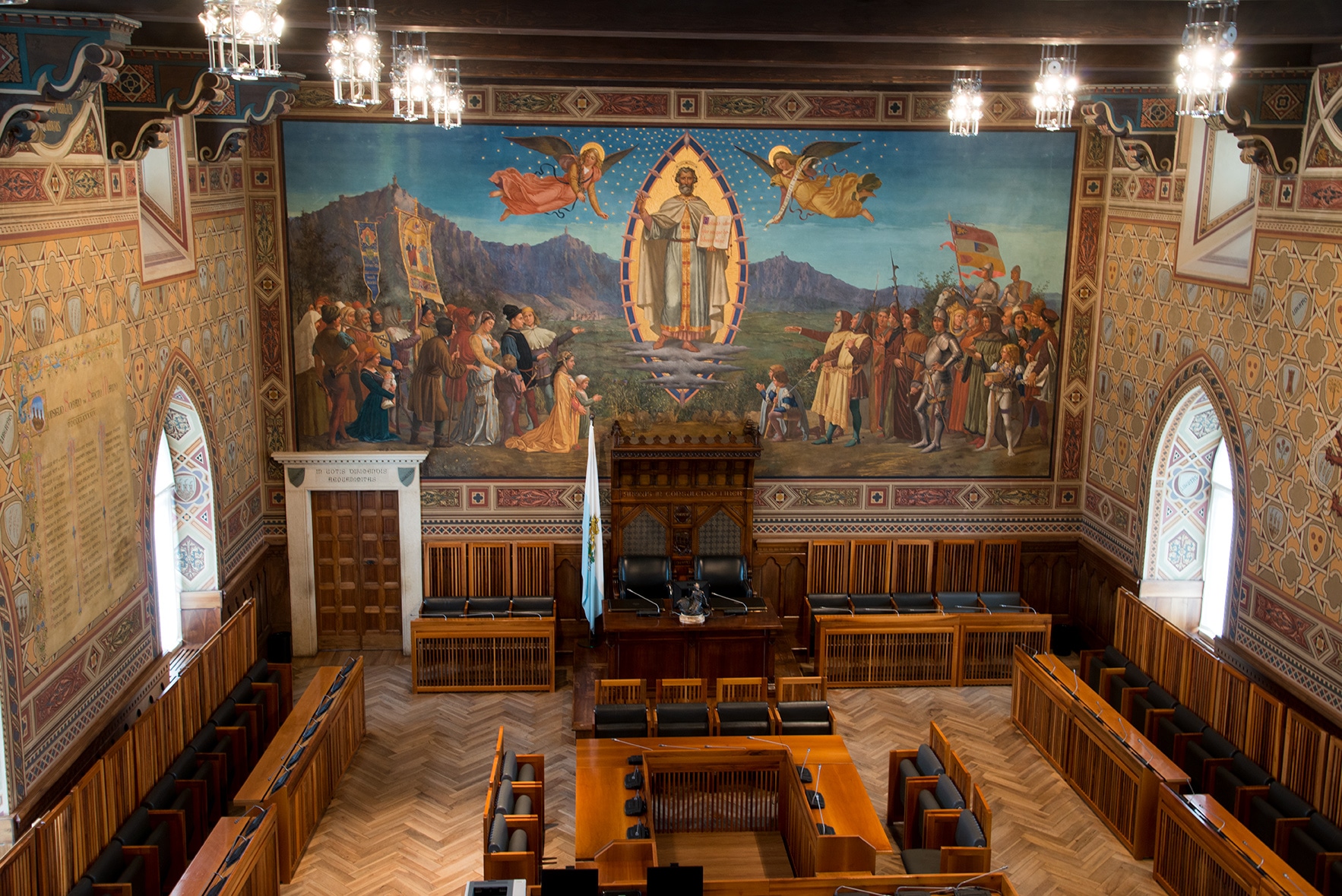
Proceedings will open on 21 and 22 October at the Kursaal, continue from 26 to 29 October, and conclude from 4 to 6 November, when the chamber returns to Palazzo Pubblico.
On the economic front, one of the key items will be the amendment to the 2026 state budget, together with the ratification of 31 decrees, including those on fuel prices and social tariffs. Beforehand, however, lawmakers must complete their review of the law on incentives for sport.
Among the most sensitive issues is end-of-life legislation, with the second reading of the popular initiative proposal on advance treatment directives and care choices. Also on the agenda is a law against workplace violence and harassment, for which urgent procedure will be requested.
Numerous measures are scheduled for first reading, ranging from social housing to home schooling, as well as new rules on separations, inheritance between spouses, vehicle rental and sports activities. There is also room for reform of disability assessment procedures and targeted employment placement.
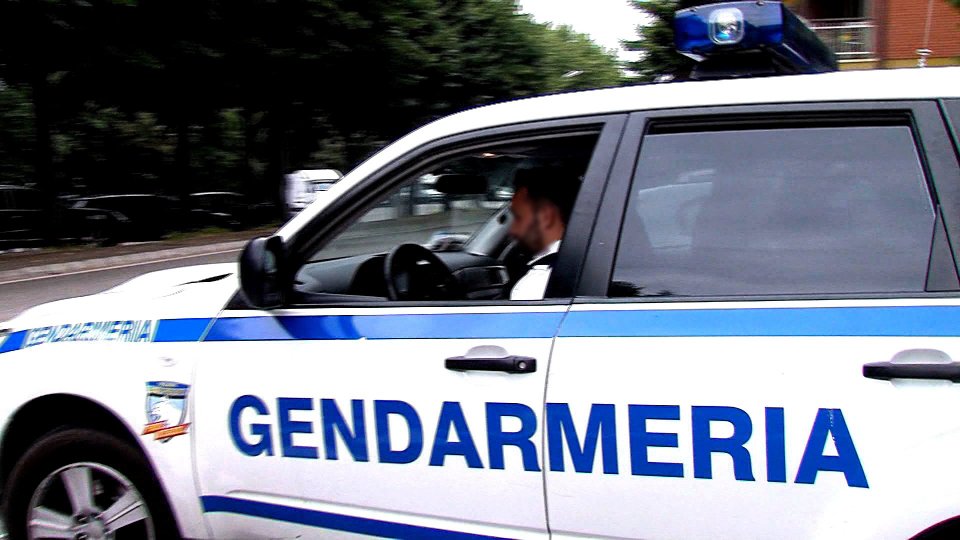
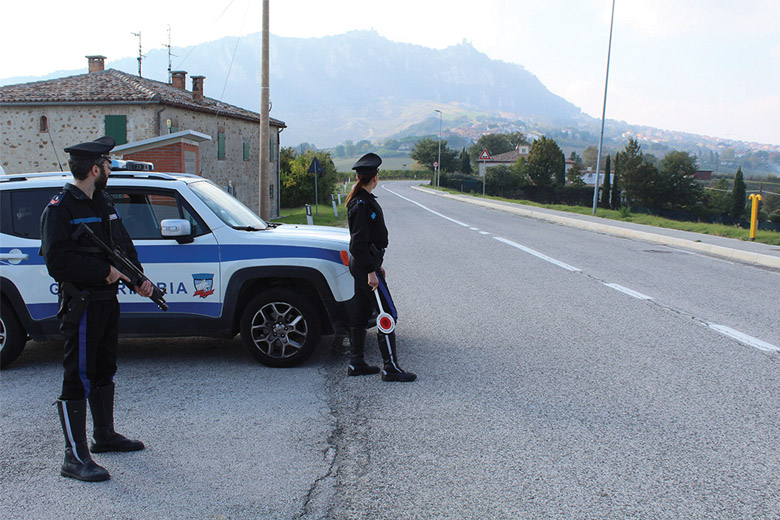
On the institutional front, attention is focused on the Gendarmerie. The Council will examine the Government’s proposal to appoint Paolo Zuccarelli, a colonel in the Carabinieri, as the new commander, replacing General Maurizio Faraone.
Three particularly sensitive dossiers remain, postponed from previous sessions: the report on the state of justice in 2025, Government initiatives to protect state interests and recover assets, and the reports on the child sexual abuse case.
A packed agenda that also includes agreements on public administration and the popular proposal to safeguard public use of the former Tiro a Volo (shooting range) area.