Family, falling birth rates, jobs, housing, wages and services. These were the themes running through the day’s session of the Grand and General Council (Consiglio Grande e Generale), which opened the second reading of the bill in support of families and to counter the decline in births. It was a long debate, with one point on which majority and opposition largely agreed: the demographic emergency is real and demands a strong response. Positions were far more divided, however, on how to tackle it and on the actual scope of the reform.
Before turning to the heart of the family debate, the Chamber closed out the previous item, approving by majority vote all three articles of the bill amending the 2016 law on trade union freedom and activity in the workplace, collective bargaining and the right to strike. Attention then shifted to the reform of family policy.
The majority defended a measure that intervenes on multiple fronts: maternity leave, parental leave, paternity leave, protections for female workers, allowances, nursery fees, services and family caregiver support, together with the gradual introduction of the ICEE (the equivalent income assessment index). Rapporteur Giulia Muratori (Libera) described it as “an extraordinary social investment in the welfare of our Republic,” pointing to the falling birth rate as one of the most serious emergencies the country must confront.
The opposition, for its part, did not reject the new protections outright, but chiefly criticised the lack of a broader strategy. The argument put forward by several minority councillors was clear: bonuses and leave schemes may help, but they are not enough on their own if a young couple still has to contend with low wages, job insecurity, difficulty finding housing and the cost of living.
Emanuele Santi (Rete) called for a genuine “national project,” also criticising the disparities that would remain between employees and the self-employed, certain limits on the caregiver scheme, the weight given to the baby bonus, and the use of the ICEE.
The ICEE was indeed one of the day’s key political flashpoints. Nicola Renzi (Rf), while endorsing the tool in principle, warned of the risk of penalising the middle class while, conversely, benefiting those who manage not to fully declare their income and assets. Santi also returned to the issue, questioning whether the implementing decrees would be effective in capturing families’ real financial situations.
Another point of contention was the process used to reach the second reading. Matteo Casali (Rf) accused the government of continually amending the text, going so far as to call it “a real blob” to be examined “just in time.” Similar criticism came from Santi and Antonella Mularoni, while from the majority benches Gemma Cesarini (Libera) turned the argument around: if the changes serve to strengthen protections, she argued, “then it’s welcome that we worked quickly and intensively.”
The debate also grew heated over the differences between employees, self-employed workers and professionals. Gaetano Troina (D-ML) warned of the risk of creating “second-class parents,” while other speakers called for stronger guarantees for those who cannot rely on the same forms of leave and flexibility available to employees.
On the majority side, meanwhile, several speakers stressed the progress represented by the new measures. These include the extension of paternity leave to 20 days, protections for unemployed women and self-employed female workers, parental part-time arrangements, time off for medical appointments and, above all, official recognition of the family caregiver. Sandra Stacchini (Pdcs) called it “a genuine social revolution on paper,” while Giuseppe Maria Morganti (Libera) suggested the country could go on to build a true “San Marino model” against the falling birth rate.
Even among those with an overall positive assessment, however, some reservations emerged. Maria Donatella Merlini (Psd) warned that measures aimed at families must not end up pushing women, in particular, back into the home, while Michela Pelliccioni (Gruppo Misto), announcing she would vote in favour, called for greater boldness on housing policy for those under 35 and on the labour market.
A particularly delicate chapter concerns the protection of women in the workplace. The provision against the non-renewal of fixed-term contracts in cases of pregnancy was defended by the majority as a matter of basic decency, but the opposition raised doubts about its practical effects: the fear is that, if poorly drafted, it could backfire and make it harder for women of childbearing age to be hired.
Secretary of State Stefano Canti defended the government’s approach, explaining that the text is the result of roughly a year and a half of study and consultation. He acknowledged, however, that no law on its own can reverse the decline in births: the goal is to create the economic, social and professional conditions that make the decision to have children less burdensome.
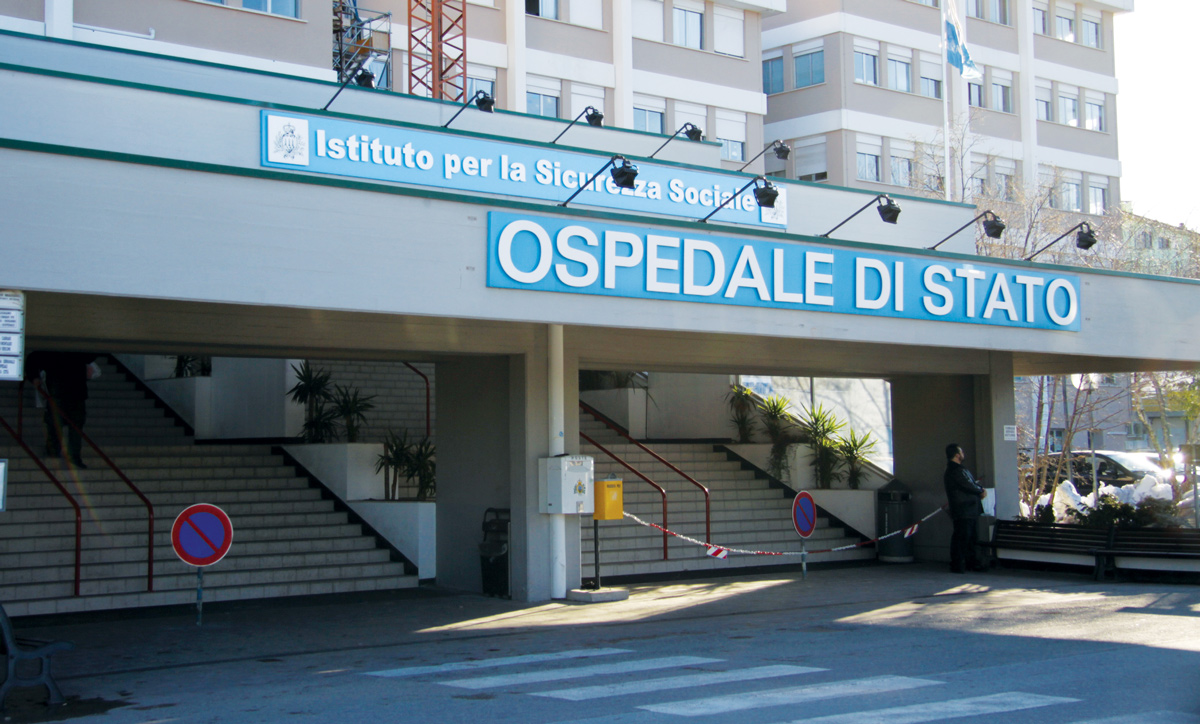
In his closing remarks, Canti also addressed the question of funding and the caregiver scheme. Benefits will be financed through the ISS (Social Security Institute) compensation fund, which currently holds a reserve of 33 million euros. The caregiver scheme, meanwhile, will start with a maximum of 50 positions and an annual cap of one million euros, with the possibility of later increasing the quota by delegated decree.
By the end of the day, what remains is largely a political divide over the ambition of the reform. For the majority, the text finally puts in place an organic package of tools and protections, to be reviewed and strengthened over time. For the opposition, the risk is that of addressing the symptoms without going deep enough into the causes: housing, job stability, purchasing power, services and prospects for young people.
With the general debate now closed, the process moves into its decisive phase. The Council will reconvene tomorrow at 9am to examine the articles of the bill, where discussion will shift to individual provisions and amendments.