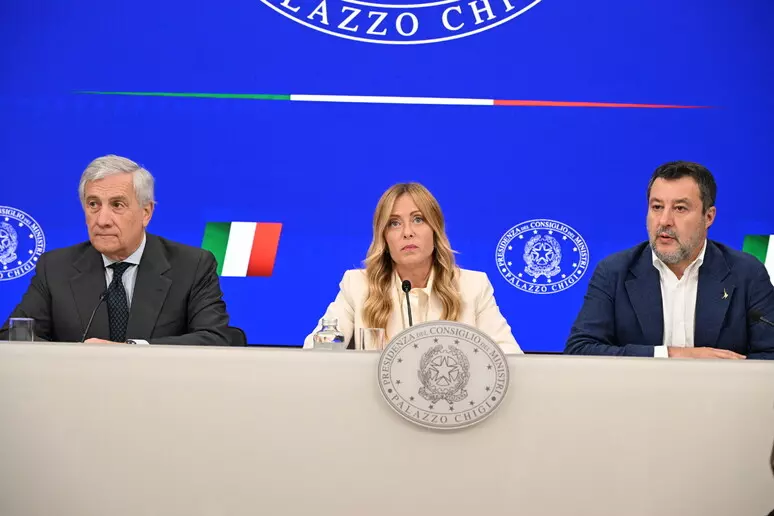
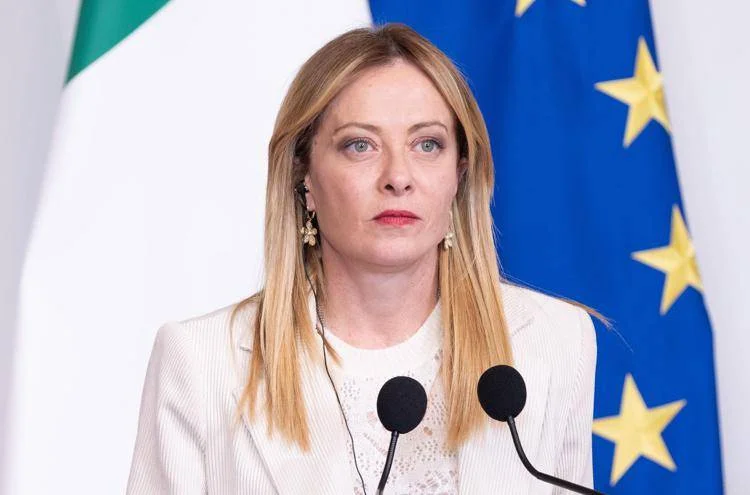
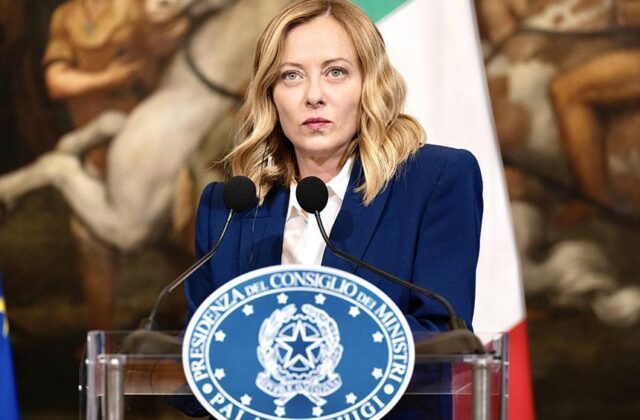
The Council of Ministers has given the green light to the new economic budget law, worth a total of around €26 billion. The announcement was made by Prime Minister Giorgia Meloni, who outlined the main measures contained in the budget bill.
Among the new measures is the raising of the threshold for the second income tax bracket to €55,000, a change affecting income taxation aimed at easing the tax burden on taxpayers.
The prime minister also confirmed that all measures already introduced under the previous budget law will remain in place, though she did not go into detail, in the statements reported, about the specific financial coverage for each measure.
The exemption from car registration tax (“bollo auto”) becomes permanent for vehicles up to 80 kilowatts of power and for motorcycles. According to government estimates, the measure affects around 70% of vehicles on the road.
Regarding income tax (Irpef), the 33% rate will now apply to incomes up to €55,000, with an estimated maximum saving of €500 a year.
Other measures include raising the revenue threshold for access to the flat tax for self-employed workers to €100,000, tax breaks on rent-controlled leases, and additional resources for healthcare, with an extra €3.4 billion allocated to the National Health Fund.
A pension fund for newborns is also planned, financed by a state contribution of €100 a year until the child turns 18.
The energy chapter, however, remains unresolved. The government has postponed discussion of the energy bills decree, which is meant to address the cost of electricity and gas.
The text of the budget law must now go through the parliamentary process before final approval.