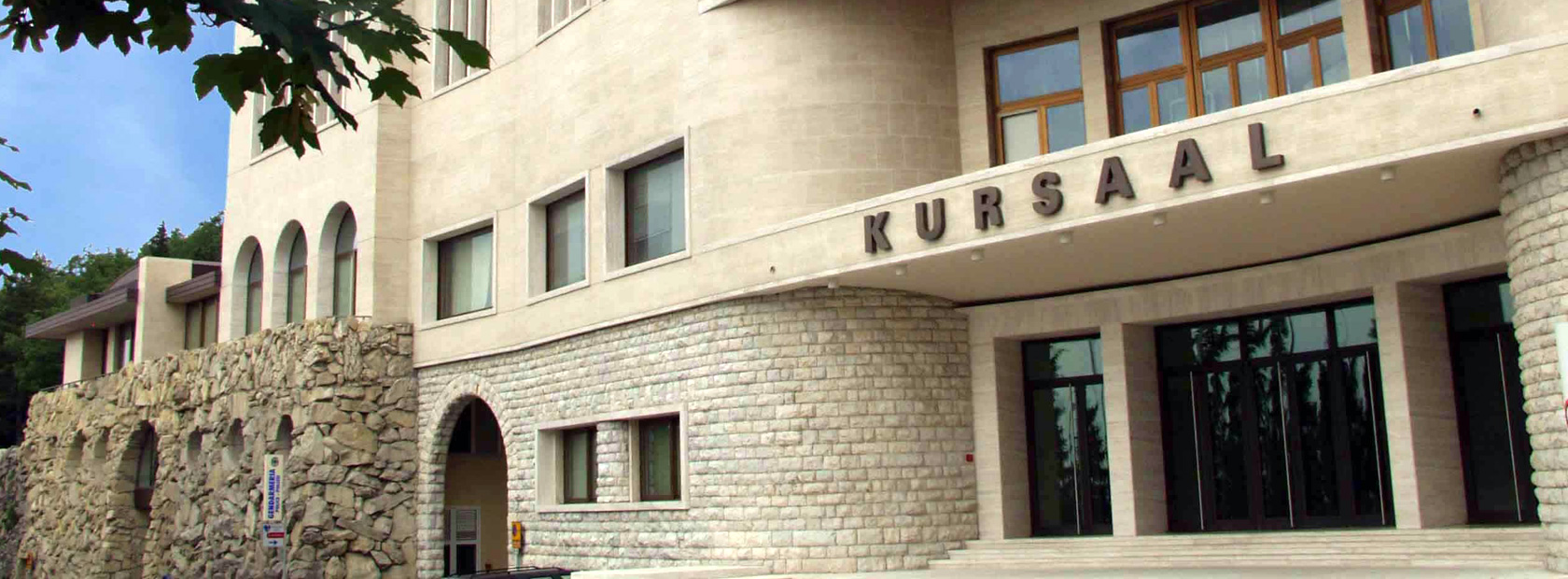
Making the Superstrada safer, dangerous pedestrian crossings, parking issues and new hunting regulations. These are among the topics set to land on the table of San Marino’s Council Committee for Health and Territory (commissione consiliare Sanità e Territorio), convened for Monday, 19 October, from 8:30 am to 1:30 pm, at the Kursaal.
The session, chaired by Denise Bronzetti, will be open to the public and aims to take stock of the measures adopted following the approval of 14 Arengo petitions (Istanze d’Arengo), some of which date back as far as 2018.
One of the main chapters concerns road safety. Discussions will focus on works along the Superstrada, with particular attention to the request for a comprehensive plan to reduce risks, improve lighting and fix the median barriers.
Also under review are Canepa road, Strada Le Bruciate in Fiorentino, and the pedestrian crossings at Parco Ausa in Dogana. Among the requests are a pedestrian overpass at Croce di Domagnano and the installation of rumble strips to slow vehicles entering the State Hospital car park.
Attention will also be paid to traffic circulation in historic town centres, including a parking ban in Piazza della Libertà and a project to build a car park and pedestrianize the square in Montegiardino.
On the environmental and hunting front, the committee will address a proposal to ban wild boar drive hunting (braccata), as well as a request to end the practice of seconding public officials to the San Marino Hunting Federation (Federazione Sammarinese della Caccia), asking the association instead to independently cover the costs of its headquarters and utilities.
Attention will also turn to economic protections for artisans and self-employed workers. Two petitions call for correcting the calculation system for daily sickness and maternity benefits, in order to ensure fairer treatment.
Also on the agenda is a proposal to establish a “Star Week” (Settimana delle stelle), featuring a dedicated area for astronomical observation in San Marino City.
The committee will not be asked to vote on the petitions again, but rather to verify which measures have actually been implemented since their original approval.