Pay rises, back pay from 1 January 2025, and one hour less work per week without any cut in salary, starting in 2027. The contract for the bar, hotel, restaurant and canteen sector has been renewed in San Marino, with an agreement covering the three-year period 2025-2027 that also introduces mileage reimbursement and a specific allowance for the use of foreign languages.
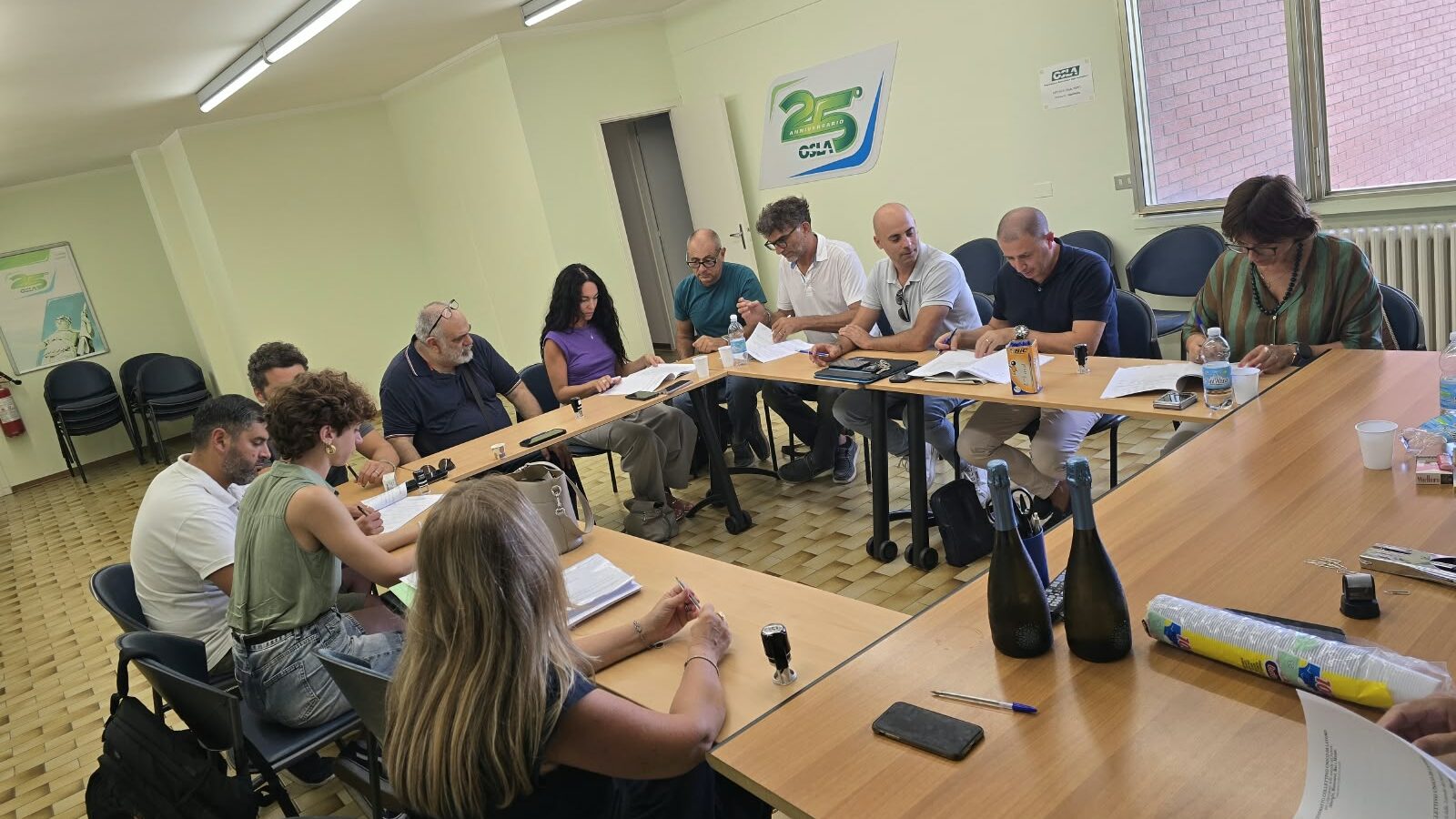
The agreement was signed on the afternoon of Tuesday, 8 September, by the trade unions together with Usot, Osla and Usc. On the financial side, the renewal sets out pay increases of 1.7% for 2025, 3% for 2026 and 1.8% for 2027.
“The increases are progressive and cumulative, and also apply to seniority increments and other economic items in the contract,” reads the statement from the CSdL, CDLS and USL Services Federations. “With October’s pay packet, the scheduled increases and the back pay owed since 1 January 2025 will be paid out.”
One of the central points of the agreement, however, concerns working hours. From 1 January 2027, the working week will be cut by one hour, with pay remaining unchanged — a measure to which the unions also attach a precise economic value.
“The most significant achievement is the one-hour reduction in the weekly working schedule, with no change to pay, starting from 1 January 2027,” the statement reports. “This is a longstanding union demand that had not been achieved for decades, and a contractual element strongly felt by workers: in economic terms it corresponds to 2.2% of pay, but it carries great importance for the quality of life of employees in the sector.”
The renewal also addresses expenses incurred by employees for work-related reasons. Mileage reimbursement is now included in the contract, governed by a specific annex. “This reimbursement is due to employees who, with prior authorisation from the company, use their own car for work purposes (it does not cover the normal commute between home and work). The amounts vary according to engine size and will be updated over the three-year period.”
Another new feature concerns those who regularly use one or more foreign languages while working. The agreement introduces “a specific monthly allowance for those who, in carrying out their duties, make effective, habitual and non-occasional use of one or more foreign languages in dealings with customers, guests, suppliers or other foreign contacts.”
In the statement, the unions also link the improvement in working conditions to the problem of staff shortages in the tourism and catering sector. “Businesses in the tourism sector are among those that struggle most to find the workers they need to operate: we believe that improving contractual conditions makes the sector more attractive, and this is something we will need to keep working on.”
The agreement signed by the parties does not, however, mark the end of the process. The renewed contract will soon be put to a confirmatory referendum among workers in the sector.