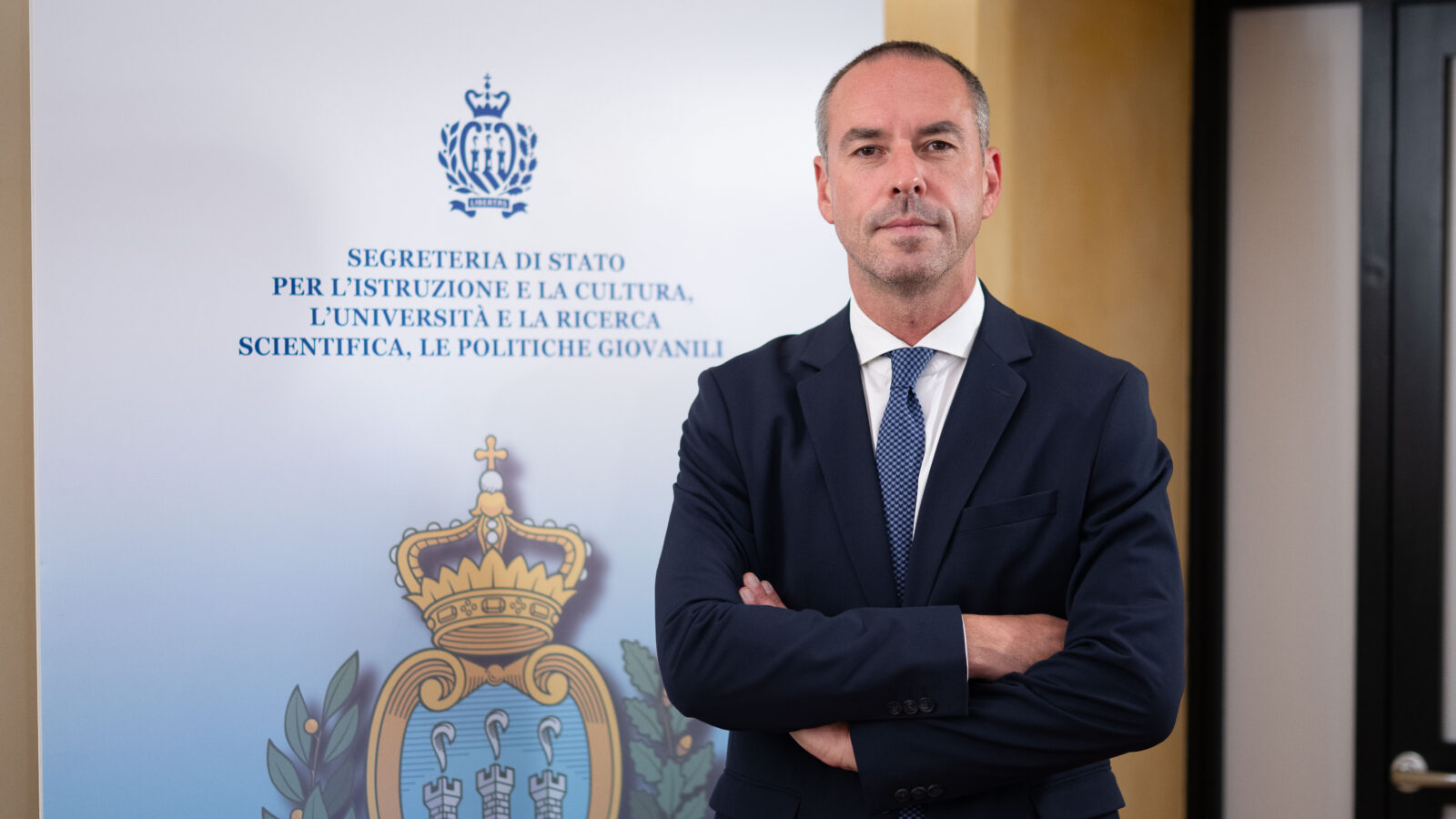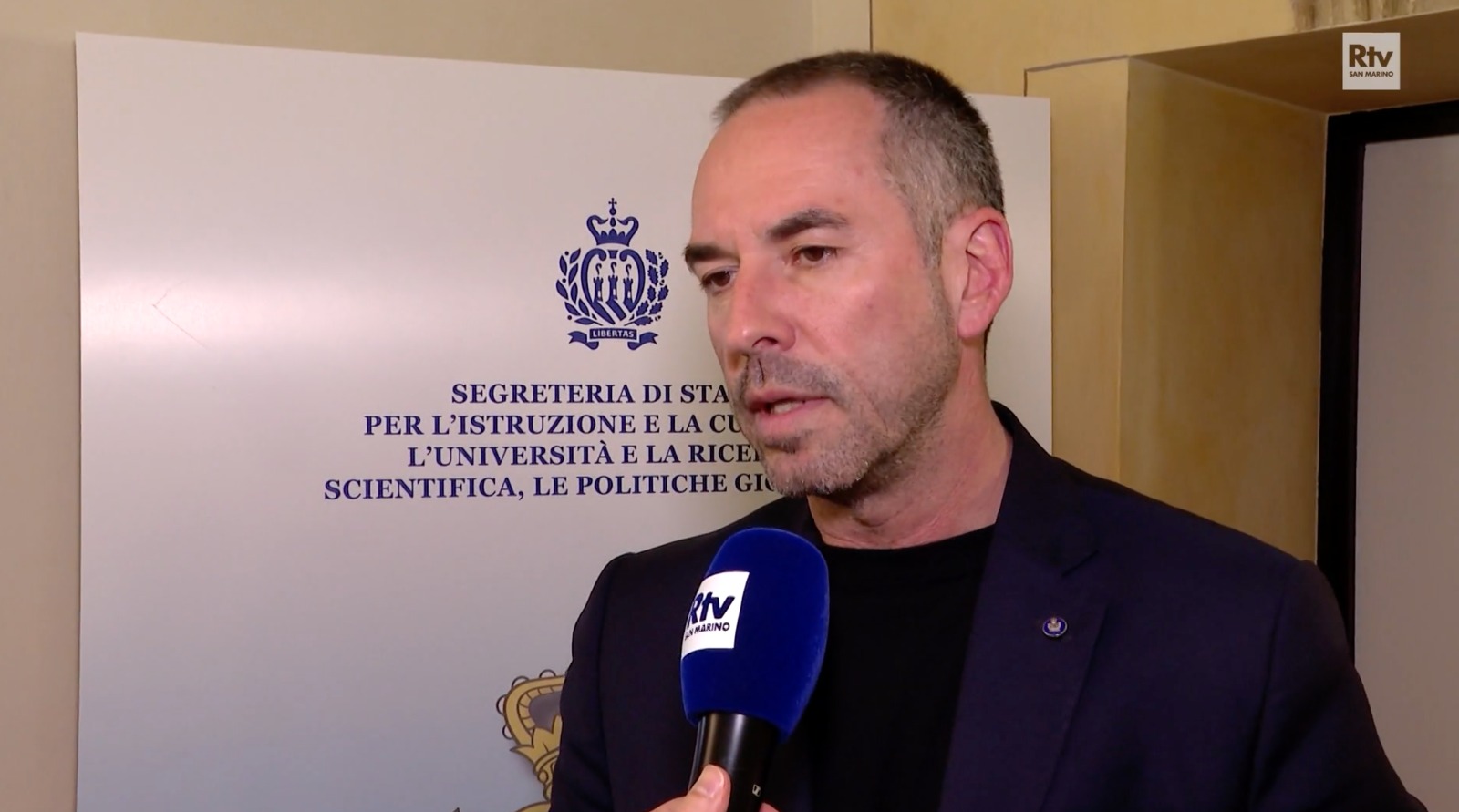
Being literate today no longer means simply learning to read and write, but giving young people the tools they need to understand the world, develop critical thinking and distinguish reality from fiction, especially in the face of the changes brought about by new technologies and artificial intelligence. That is the message from the Secretary of State for Education and Culture, Teodoro Lonfernini, on the occasion of World Literacy Day, which this year marks the sixtieth anniversary of its establishment.
The focus of the 2026 edition is dedicated in particular to reading aloud from earliest childhood. It is a simple gesture to which Lonfernini attaches a value that goes far beyond learning itself. “Hearing the loving voices of mum and dad, of grandparents and aunts and uncles, of educators, is a fundamental experience for our little ones. It is not just a moment of affection, but the first, irreplaceable building block for constructing that deep empathy which will serve as an ethical and emotional compass for the adults that today’s children will become tomorrow.”
This leads to a broader reflection on the very meaning of literacy in a society undergoing profound technological change. “Being literate does not simply mean learning to read and write a text. In its broadest and noblest sense, it means equipping people with the tools to ‘read’ the world in all its complex articulation,” the Secretary of State emphasises.
This point leads directly to the question of artificial intelligence and the new skills that younger generations will need. “In an age marked by rapid, epoch-making technological change, the true challenge of the future that our Institutions are called upon to meet is precisely this: to offer new generations those irreplaceable human tools that no artificial intelligence will ever be able to replicate. It is our duty to sharpen young people’s ability to discern reality from fiction and to develop autonomous, articulate and profound critical thinking.”
In this respect, according to Lonfernini, the humanistic tradition of San Marino’s school system is a real strength, but it must not lead to complacency. World Literacy Day, he notes, “is not a mere rhetorical exercise, but an opportunity to focus our energies on priorities that must never be neglected on the public agenda.”
Finally, the message extends to the educational role of the family and the need to strengthen the relationship between families, schools and institutions. Shared reading from a child’s earliest years thus also becomes the starting point for reinforcing what Lonfernini calls the “global educational pact between Institutions, School and Family.”
“I consider this alliance to be the true cornerstone on which to build the comprehensive education of tomorrow’s citizens: men and women who, through their ability to read the world, will ultimately go on to shape it,” the Secretary of State concludes.