Slick ads on booking platforms, photos lifted from genuine listings, deposits paid onto prepaid cards. Then the arrival in Cesenatico or Milano Marittima — and the discovery that the property simply doesn’t exist. The town has rallied to help stranded families, while investigators close in on what appears to be a single criminal network behind it all.
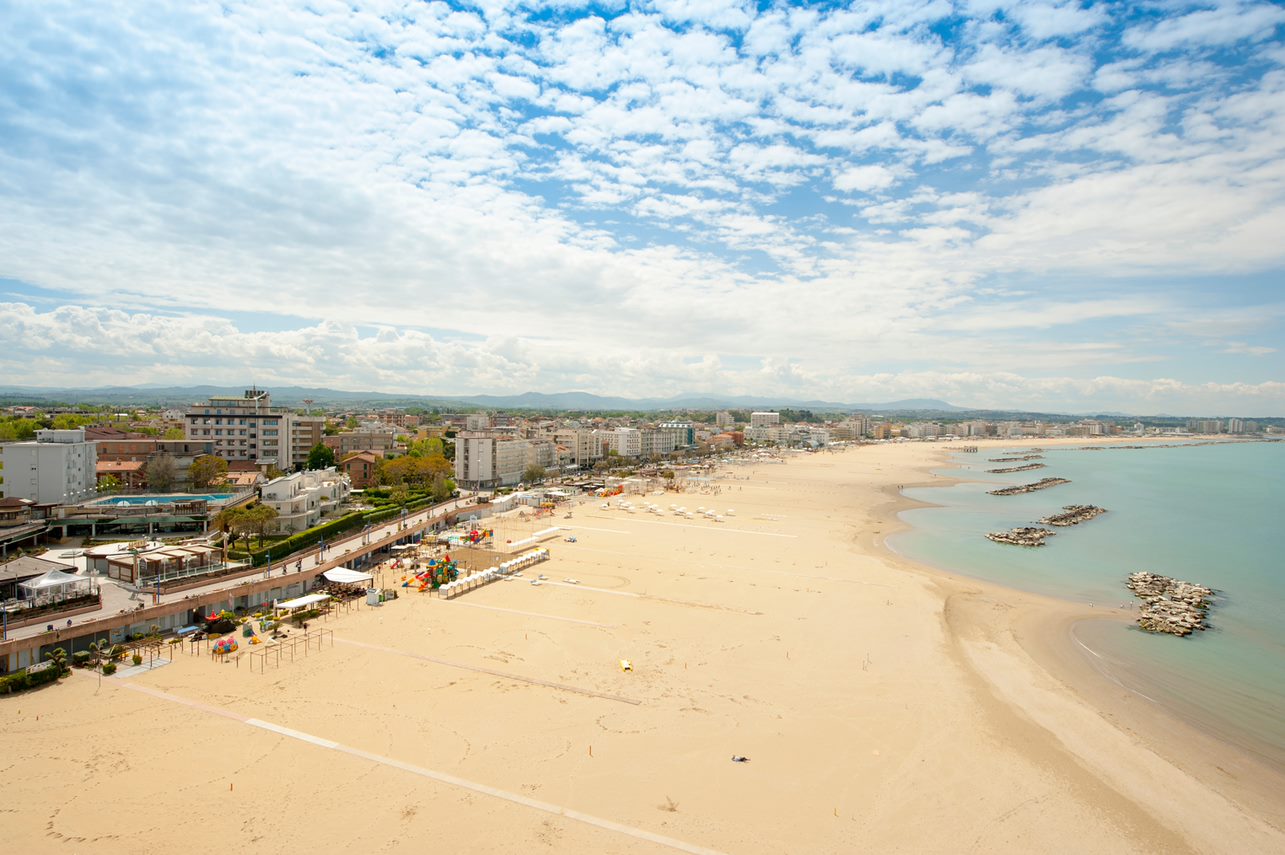
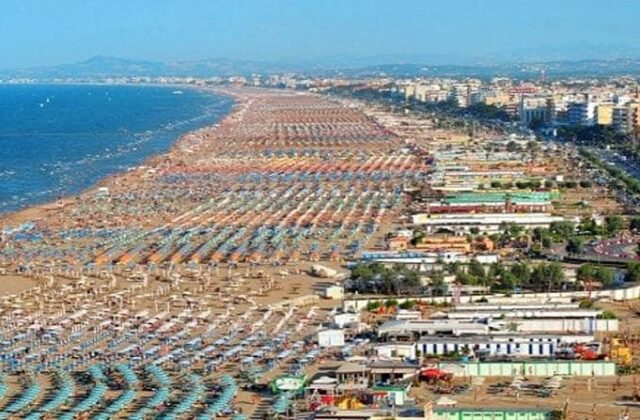
They arrive on the Riviera with suitcases, children in tow, and a printed booking confirmation in hand. But at the address listed, there’s no resort at all — just an ordinary apartment block, and no one who knows anything about it. This is the “phantom holiday” scam that has hit the Romagna coast in recent weeks, between Cesenatico and Milano Marittima: the toll now stands at more than 120 people defrauded, roughly fifty families, arriving from northern Italy and abroad.
The scheme was meticulously engineered. Listings appeared on Booking.com and other reservation platforms, featuring convincing photographs lifted from a genuine real-estate listing for an actual apartment in the same building, polished descriptions, detailed price quotes, and rates attractive enough to appeal but not so low as to raise suspicion. The so-called “Residence da Andrea” on Viale Pascoli in Cesenatico simply never existed. Its presence on well-known platforms led victims to trust the listing and hand over deposits, often funneled to prepaid cards and foreign bank accounts. The scammers’ brazenness reached striking heights — in some cases, they called victims back to taunt them: one tourist was told she was the twentieth person to be swindled and that she was welcome to report it to police, since her money was already abroad by then.
Faced with families left stranded on the street in the middle of peak season, Cesenatico responded with a wave of solidarity: hotels and campsites offered up rooms and pitches, some free of charge, while the municipal government opened the Palazzo del Turismo to house the larger groups. Mayor Matteo Gozzoli described a scam of unprecedented scale, announcing that the local administration is considering legal action to put a stop to a fraud that “strikes families during their holidays and damages the reputation of an entire town.” Those who booked directly through Booking.com are being relocated to alternative accommodation arranged by the platform; for everyone else, recovering the lost money looks far more difficult.
The good news is that investigators appear close to a breakthrough: according to reports in the Romagna press, authorities are closing in on a single criminal operation behind the entire chain of scams, tracing digital footprints left by IBANs, prepaid cards and phone calls. The decoy website and fake listings have already been taken offline.
The lesson remains, and it applies to anyone still booking their summer break: before paying a deposit, it’s worth verifying that the property actually exists — checking it against maps and older, long-standing reviews — being wary of prices that seem too good for peak season, and never straying from a platform’s official payment channels, which are the only real safeguard if something goes wrong. Because this summer’s story makes one thing clear: a scam never announces itself as a scam. It presents itself as a bargain.