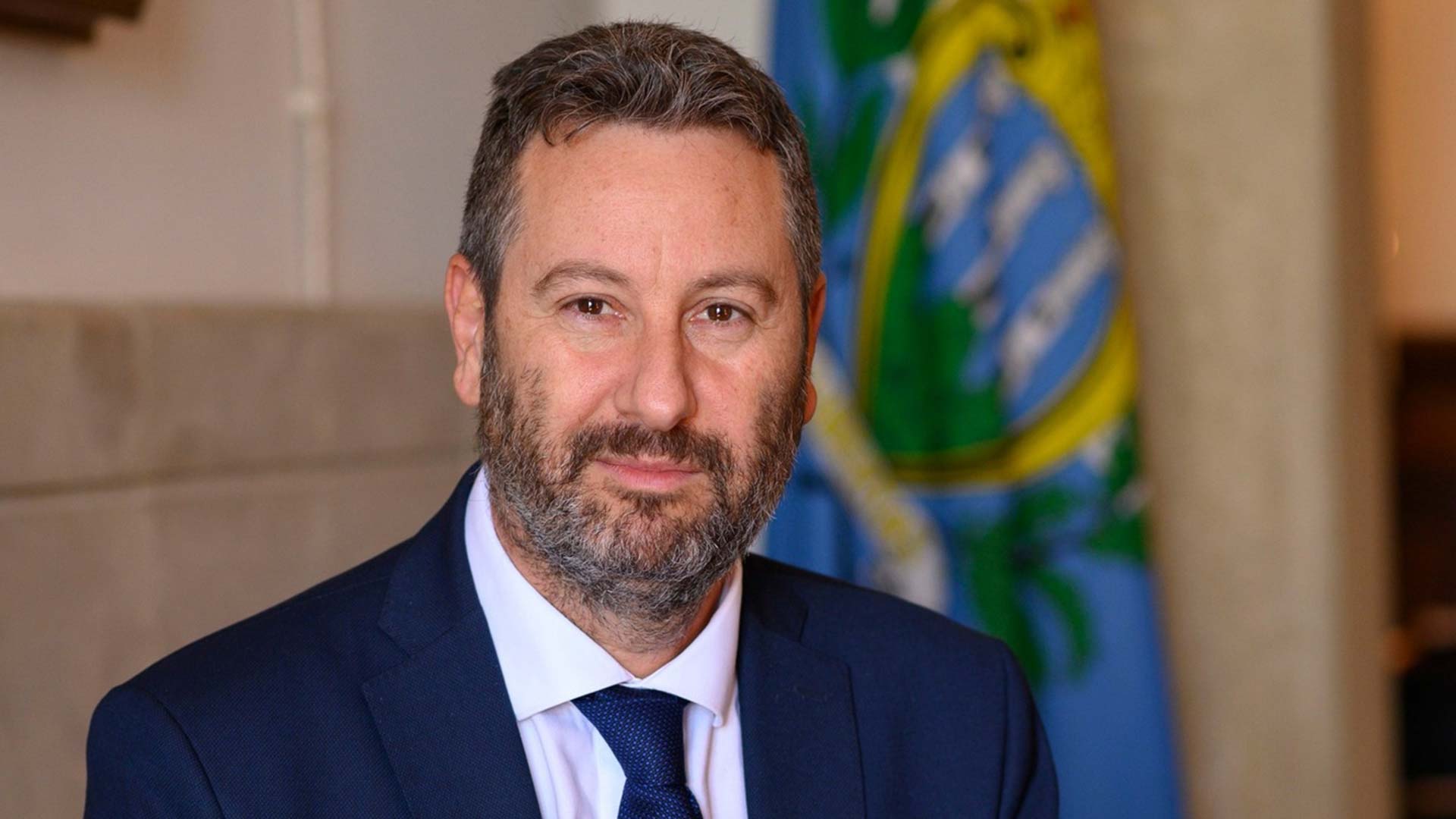
During Thursday afternoon’s session on 30 July of the Third Permanent Council Commission, Secretary of State for Finance Marco Gatti presented the 2027 Economic Programme, outlining the Government’s economic strategy for the coming years.
According to Gatti, the document moves beyond the traditional descriptive approach to become a programme built around concrete objectives, identifying four fundamental pillars: the Association Agreement with the European Union, the energy transition, alignment with international anti-money laundering standards, and the strengthening of the banking and financial system.
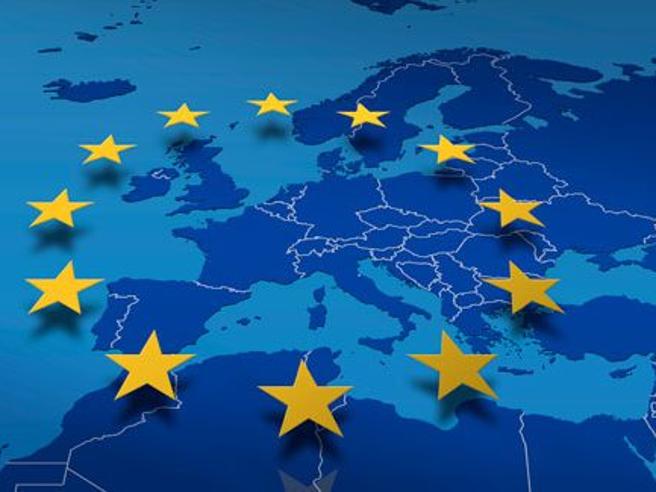
The Secretary described “the Association Agreement as the cornerstone of the country’s future growth, thanks to full integration into the single market,” noting that early transposition of European regulations could allow San Marino to seize new development opportunities.
Considerable attention was also devoted to the energy transition, with reference to the progress made in the solar power sector, which today covers around 20% of national energy demand, and to the goal of further increasing output through new public and private installations.
Presenting the economic outlook, Gatti pointed to a series of positive indicators: GDP growth of 3.5% in 2024, with forecasts of 3.5% in 2025, 3% in 2026 and 3.4% in 2027, compared with projected growth in Italy of between 0.5% and 0.8%. He also cited a rise in exports (+2.4%), an unemployment rate of 4.7%, a primary surplus equal to 2.4% of GDP, the banking sector’s fifth consecutive year of profits, a reduction in net non-performing loans to 11%, an increase in direct deposits of 459 million euros, liquidity rising from 65% to 68%, and a solvency ratio of 18.8%.
In conclusion, the Finance Secretary explained that, barring any significant changes to the economic outlook in the second half of the year, the Government’s aim is to close the 2026 budget in financial balance, despite the additional costs linked to refinancing public debt.