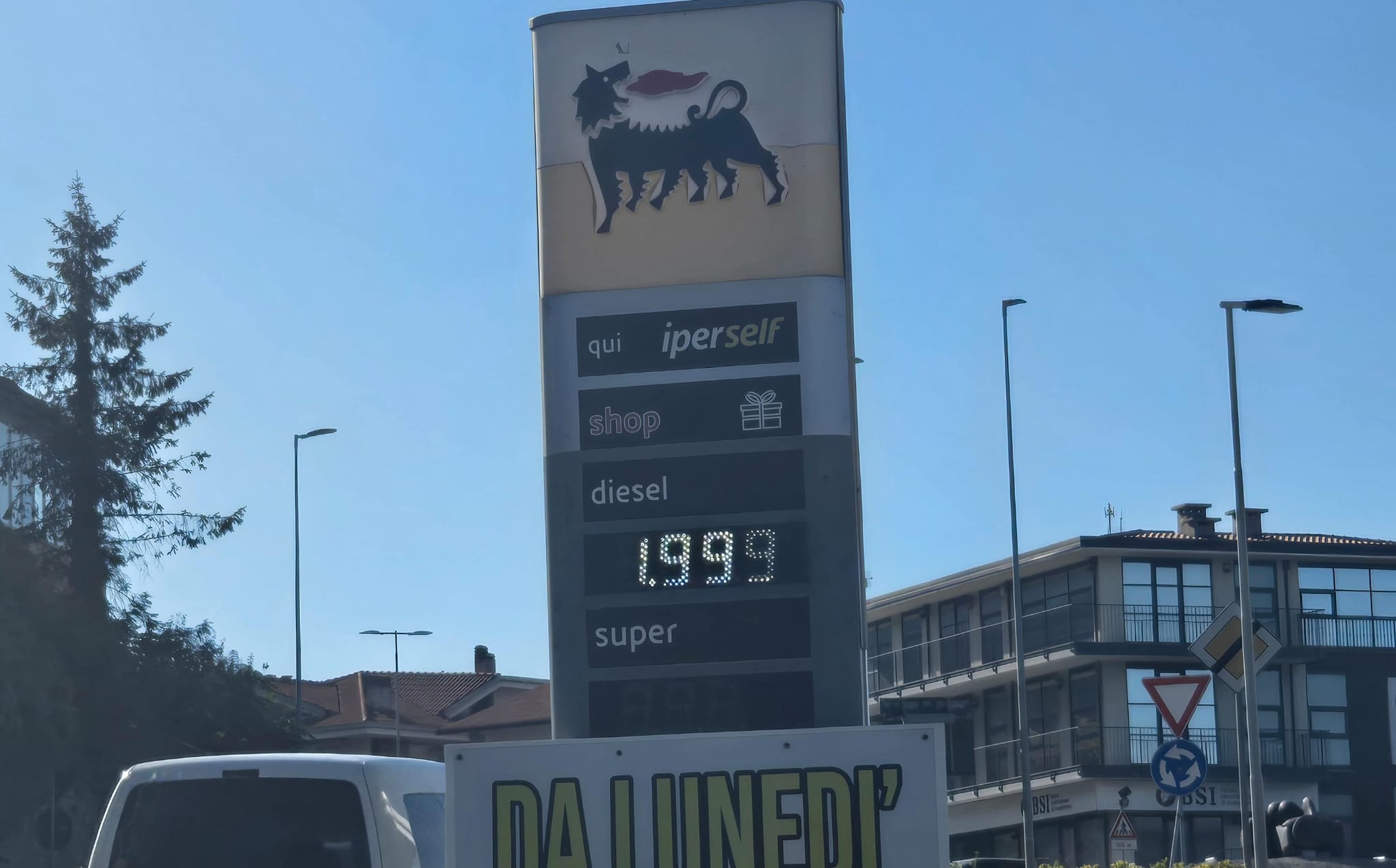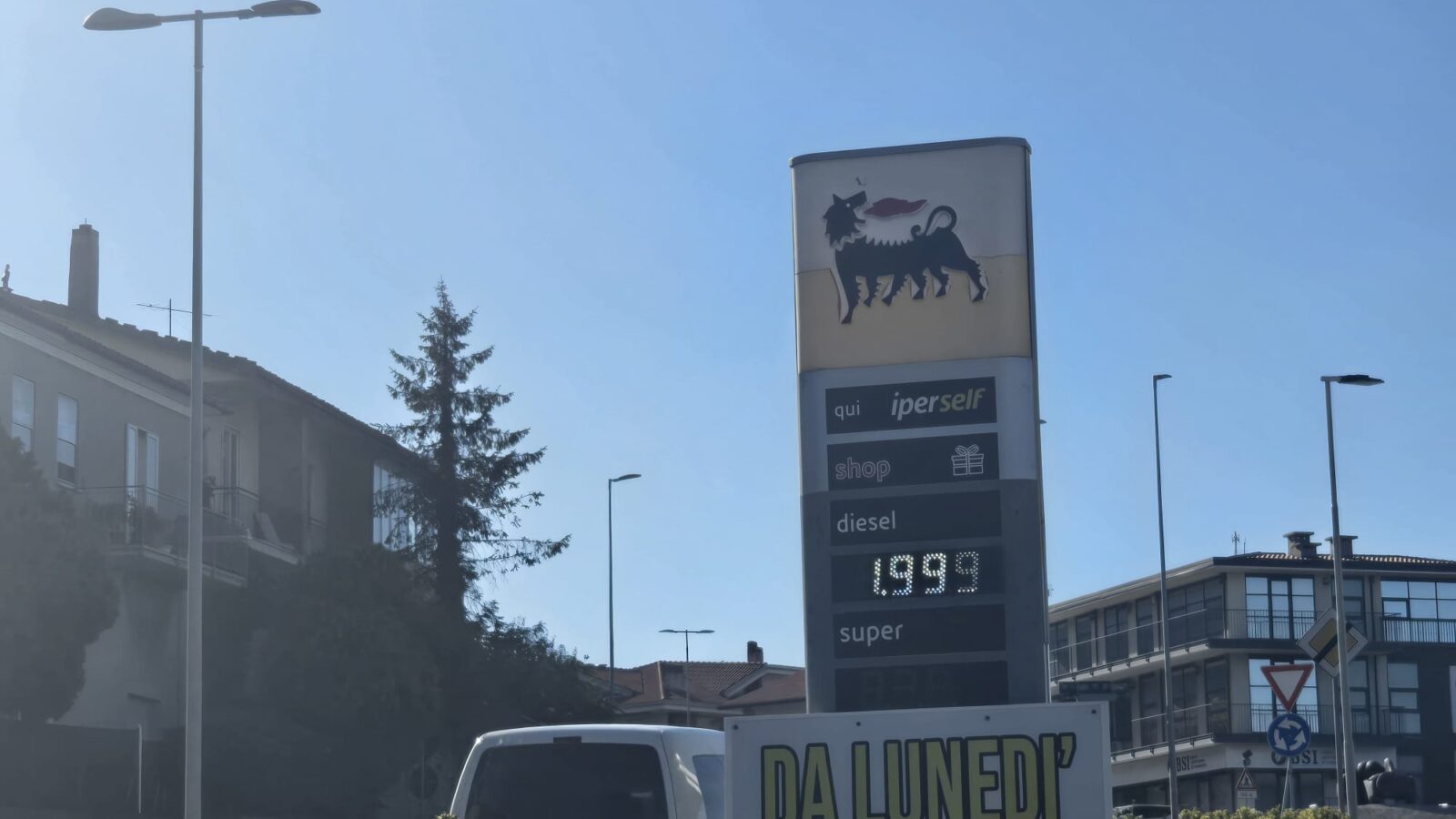
While Italy’s new Eni price cap of 2.19 euros for diesel comes into force, the sign on Titano reads 1.99. And those holding a SMaC card save another twenty cents.
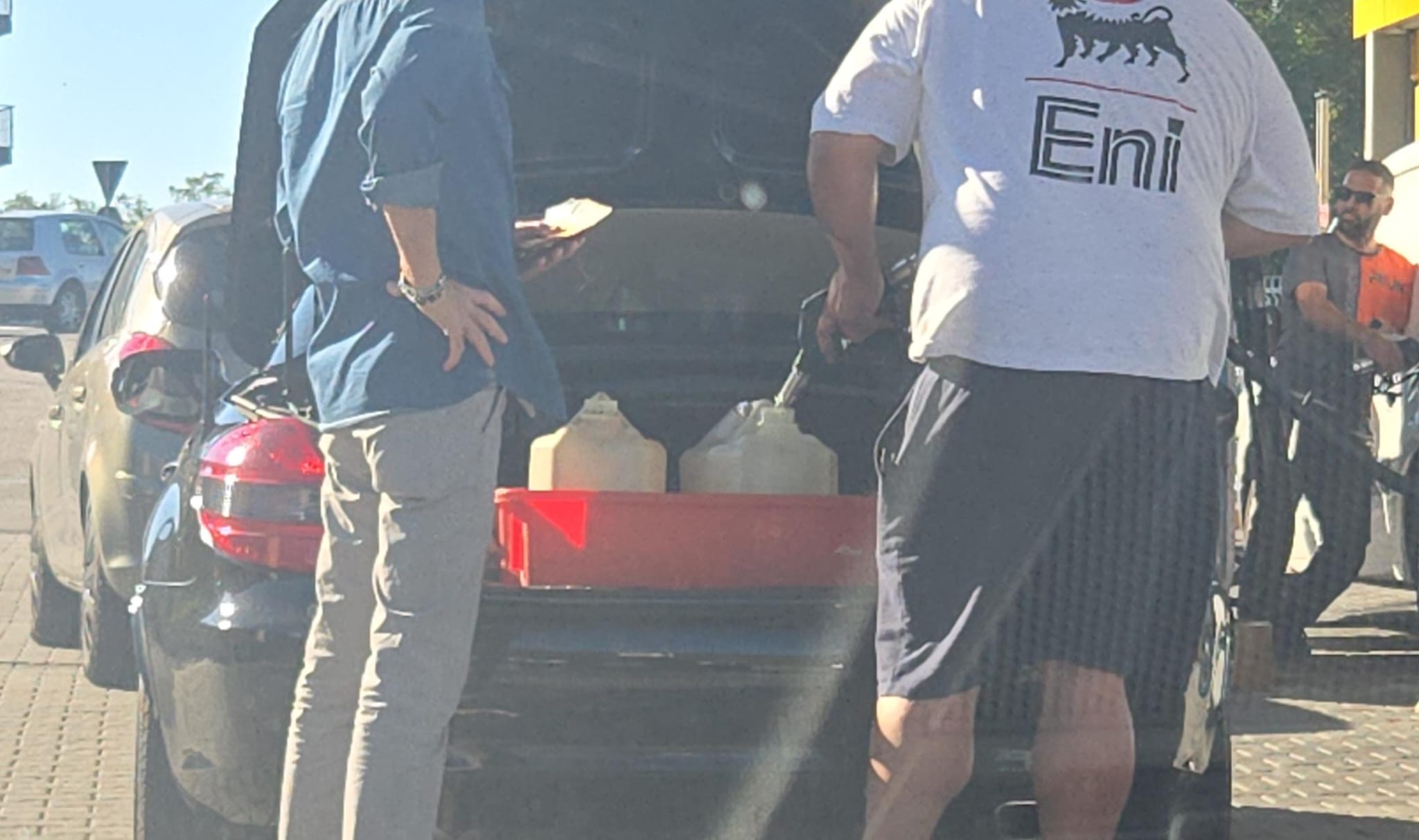
One euro and ninety-nine cents a litre. That is the price of diesel displayed today at Eni petrol stations in San Marino, and that figure alone explains the queues that formed in front of the pumps, with drivers turning up even with jerry cans to stock up.
A comparison with what is happening across the border makes the reason clear.
As of today, Italy has introduced the price cap announced by Eni: 2.19 euros per litre for diesel and 1.99 for petrol, for thirty days with the possibility of an extension until the end of the year. The measure is designed to curb rising prices.
But even with that cap, Italian diesel remains twenty cents higher than the price in San Marino. And those who don’t fill up at Eni pay even more: on Italy’s regular road network, diesel was averaging around 2.36 euros, rising to as much as 2.44 on motorways.
Why fuel costs less in San Marino
The price gap isn’t new. Under the decree-law of 24 September, the Republic extended its extraordinary measures against rising fuel costs until 31 October.
Two combined measures remain in force. The first is a 10-cent-per-litre cut in the special tax on petrol and diesel, which directly affects the displayed price. The second is support through the SMaC Card, offering a 20-cent-per-litre rebate.
In practice, this means that anyone filling up with diesel in San Marino using a SMaC card ends up paying an effective 1.79 euros per litre.
For a fifty-litre tank, that comes to 89.50 euros, compared with 109.50 euros at 2.19 from an Italian Eni station, or 122 euros for a motorway fill-up at 2.44. The difference ranges from twenty to thirty-two euros per tank.
A deadline worth watching
The situation, however, is not fixed. San Marino’s discounts are confirmed until 31 October, Eni’s price cap covers thirty days with a possible extension, and in Italy, the halving of the excise duty cut on diesel adds further uncertainty.
Those queuing up these days are, in short, taking advantage of a bargain with an expiry date written into a government decree.
Finally, a word of caution for those turning up at the pump with jerry cans: refuelling in containers is only permitted using approved fuel canisters and within the quantity limits set by law. It’s best to check with the station attendant before filling up.