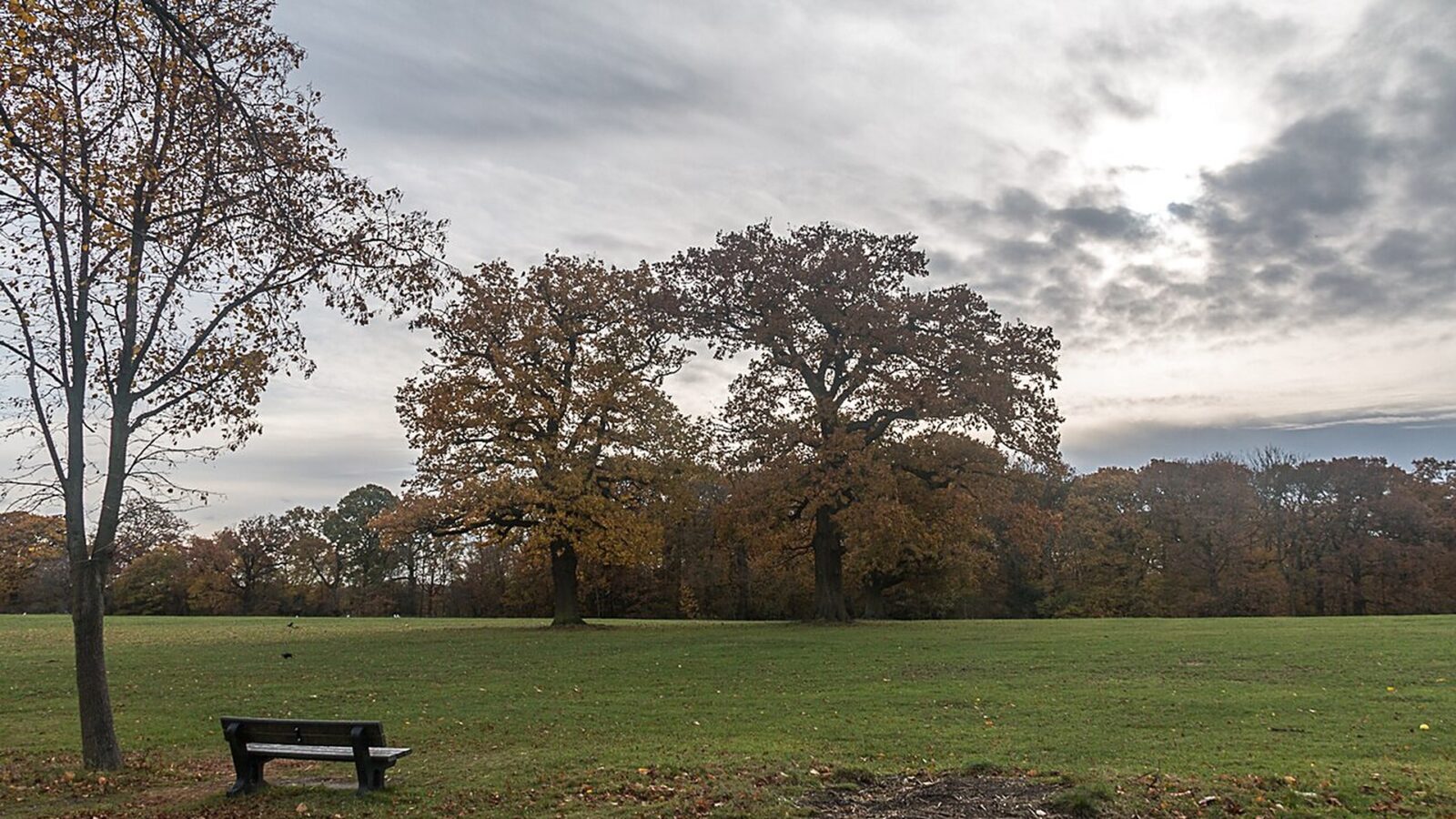
Half a million trees will be planted across England over the next three years, with the declared aim of defending the land against extreme weather events. The announcement came from Environment Secretary Angela Eagle, who on Wednesday unveiled a £79 million package: £53 million for tree planting and £26 million for local nature restoration strategies.
The programme is not just about trees. Mayors, local authorities, associations and grassroots groups will receive funding and responsibility to restore wetlands, riverbanks and meadows — environments that naturally slow floodwaters and ease the effects of drought.
It was this past summer that convinced the government to act. “In areas where nature was allowed to flourish, the soil retained more water and droughts were less severe,” Eagle explained. “On streets where trees had been planted, the shade brought down temperatures. And when the rain finally came, those same trees reduced the risk of flooding.”
The figures help explain why a tree is far more than urban decoration. In cities, trees can lower air temperature by up to 4 degrees, making heatwaves more bearable. A single mature tree can intercept up to 15,000 litres of water a year, reducing runoff during storms. Trees also halve noise pollution, absorb air pollutants and provide habitats for wildlife even in built-up areas.
Environmental groups have welcomed the plan. Craig Bennett, chief executive of the Wildlife Trusts, called it “very encouraging” and noted that England has lost more than 90 per cent of its wetlands over the past century: “We need to get Britain wet again. We could have tens of thousands of new wetlands.” For Richard Benwell, of Wildlife and Countryside Link, investing in this kind of natural infrastructure “makes sense both economically and ecologically.”
Criticism, however, has come from the farming sector. Last week, a fund for farmers willing to carry out environmental works — opened to applications at 10am — ran out in just six hours: £253 million spent, with many farms left without support. “We need to stop thinking of this as simply an agricultural budget,” Bennett said, “and start treating it as a budget for national security and natural resilience.”