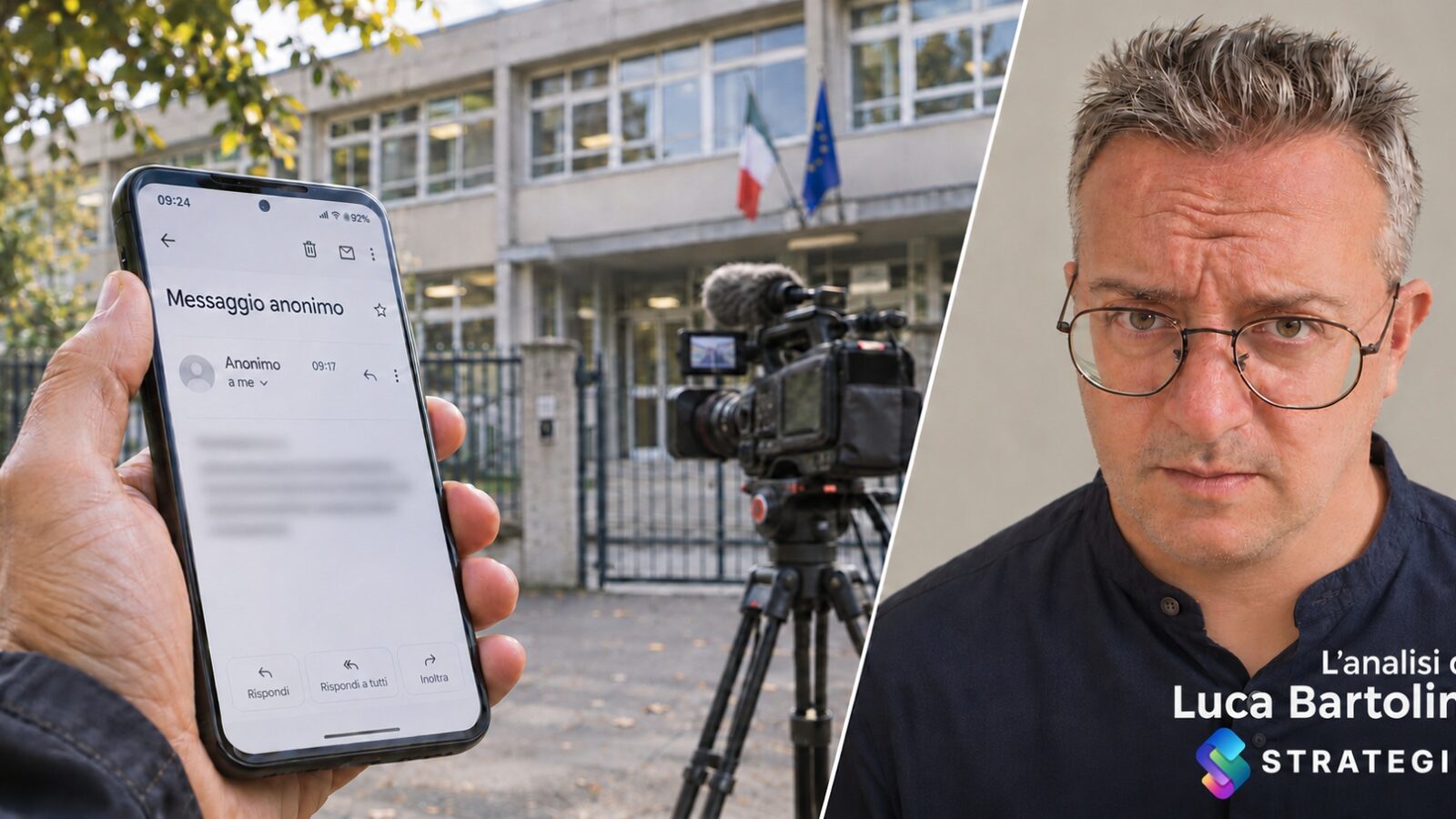
The email that put more than six thousand schools on alert on Wednesday cost nothing, didn’t turn up a single bomb, and occupied an entire country’s day.
Call it hybrid warfare if you like. Seen up close, it’s an advertising campaign: the product is fear, and we’re the ones donating the airtime.
I say this out of professional deformation.
I work two jobs that don’t usually talk to each other — marketing and cybersecurity. These past few weeks they’ve been talking, and they’ve told me the same story.
Look at it the way an ad man would.
First you test on a few, then you send it to everyone. On 19 October it was fifty to a hundred schools. On 2 November, 271. Wednesday, according to the Education Minister, saw 6,300 of Italy’s 7,476 state schools targeted: essentially the entire list. Anyone who has ever sent so much as a newsletter knows what that’s called. It’s called a test.
With every new wave, the spokesperson changes.
First an address that looked like it belonged to a Saudi ministry. Then the Iranian Revolutionary Guard. Now a Russian name heading something called “Misoginistan,” which doesn’t exist but which nobody will forget: every outlet repeated it. In an agency, a name like that bills by the hour.
There’s even a press office. On 6 November an email titled “Message to the West” reached eighteen newsrooms, according to an executive at Ireland’s public broadcaster, which was evacuated that very day. It promised this was “only the beginning.”
A press release, complete with a “coming soon.”
And there’s an audience.
In three weeks it’s been supermarket freezers, flights, television stations, schools. I don’t know if there’s a single hand behind it all — nobody does, and the Interior Minister says it’s premature to speak of a unified strategy.
But there’s only one audience: families. The grocery run, the trip, the evening news, the kids.
The budget is zero, and it keeps shrinking.
Wednesday’s inbox looked like it had been borrowed from a former student in Taiwan.
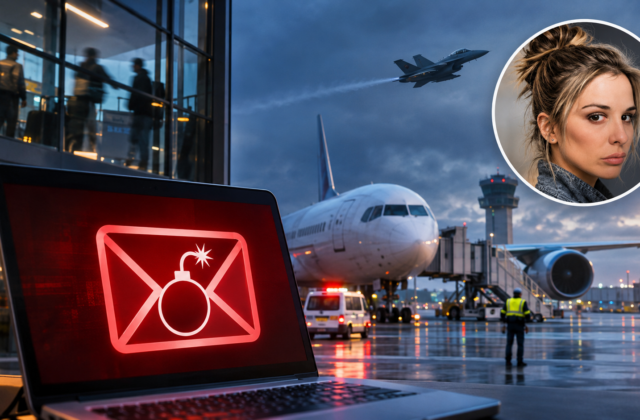
The email that reached Rome’s airport, the BBC noted, was in flawless Italian: once that required a native speaker, now a machine will do. And the airtime is free. Minute-by-minute live coverage, headlines, parents’ chat groups, a government crisis meeting. Newspapers too — this one included.
No budget on earth buys coverage like that.
And indeed, nobody paid for it.
But the thing that struck me most was something else.
A headmaster in Milan read that email and found it almost comical. He was right.
But bad advertising still works, if everyone sees it. That’s the first thing you learn in this trade.
The second thing you learn is the good news.
A campaign dies in two ways: when the audience recognizes it for what it is, and when it stops responding. Recognizing it is what you’re doing right now.
Not responding doesn’t mean ignoring it. It means an email like this produces one phone call to the police, not a hundred forwards. On Wednesday, where someone already knew who to call, the kids stayed in class.
Wednesday evening the Prime Minister said the right thing: “We will not allow an anonymous email to decide our children’s school calendar.” In my line of work, that translates into two words: we’re not buying.
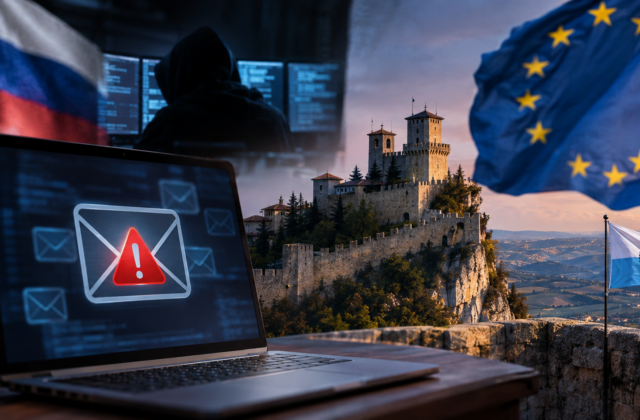
It counts double in San Marino.
Every campaign looks for the audience that costs the least, and a country of thirty-four thousand people costs next to nothing. But it’s also a country where everyone knows everyone, and advertising has always struggled where people talk to each other before they believe something.
More emails will come — the government has already factored that in. They’ll be ads just like this one.
And an audience that has understood it’s advertising stops buying: it makes a phone call, and goes back to class.