Opportunities for businesses and young people, the future of the banking system, the transposition of European regulations, and political clashes over a referendum.
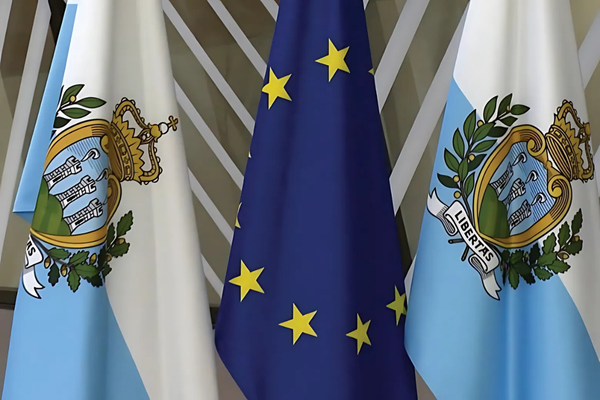
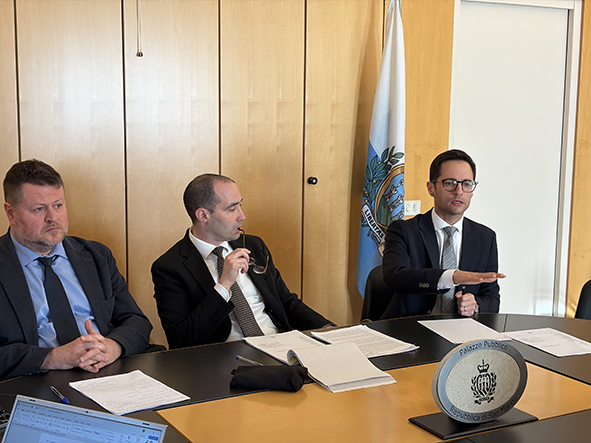
These were the main themes that animated the debate in the Grand and General Council (Consiglio Grande e Generale) on the ratification of the Association Agreement between San Marino and the European Union and on the amendment to the Monetary Convention. There was broad consensus among political forces over the milestone achieved, while the standoff with Domani-Motus Liberi, which is once again calling for the direct involvement of citizens, remains unresolved.
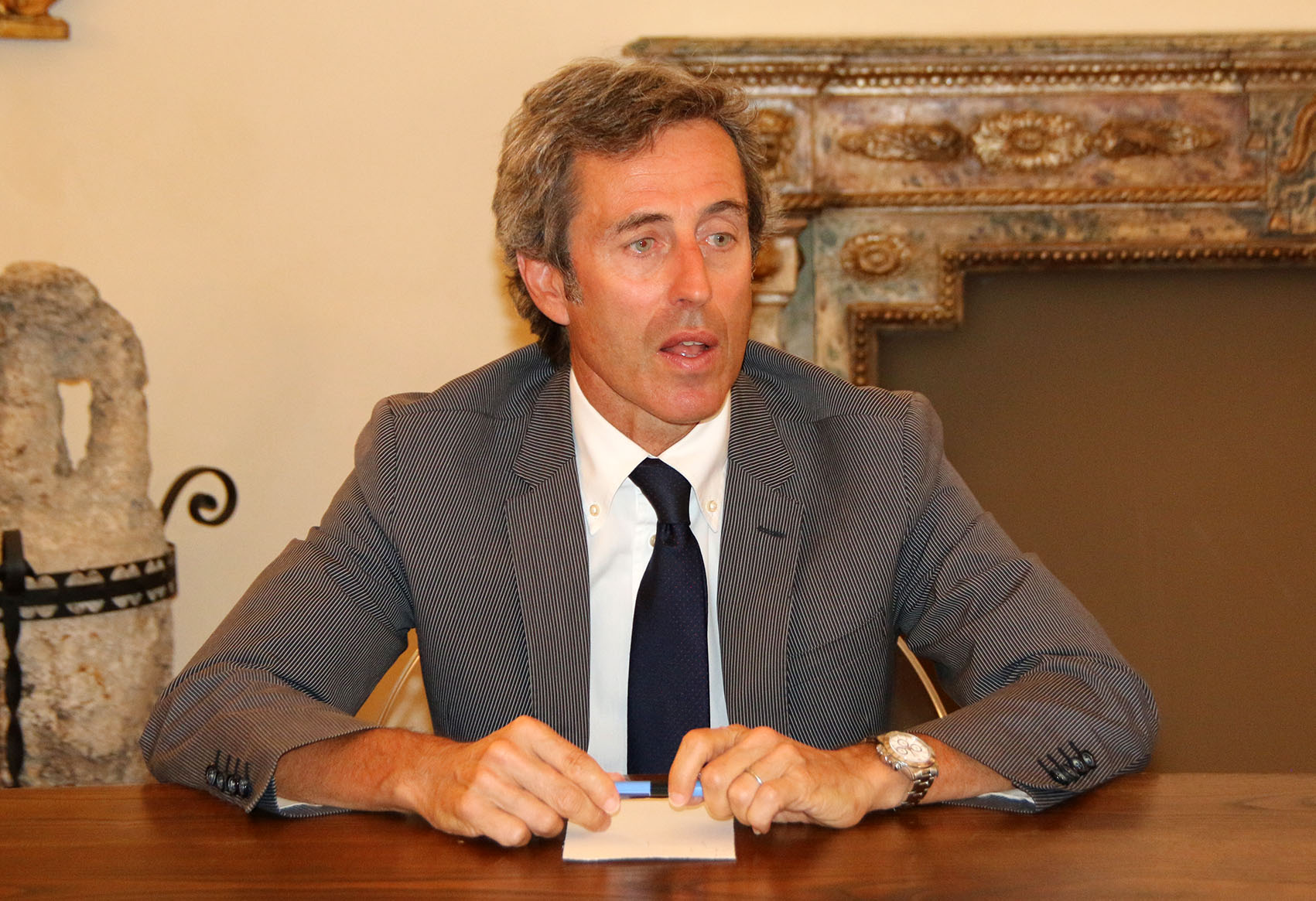
Bringing the referendum question back to the center of the debate was Mirko Dolcini (D-ML), who presented a new motion calling on the State Congress not to proceed with the provisional application of the Agreement without the approval of San Marino citizens through a popular vote.
“Democracy consists in leaving the final decision to the people, whatever it may be, and in being able to accept the outcome with respect.” Carlotta Andruccioli and Fabio Righi echoed this view, defending the consistency of their party’s position and criticizing delays in preparing the country.
Secretary of State Marco Gatti took a different stance, emphasizing the role of representative democracy and the responsibilities of Government and Parliament in matters of international policy.
Secretary of State Teodoro Lonfernini also spoke against the referendum.
Matteo Casali (RF) noted that a popular consultation should have been planned from the very start of the negotiations. “The country must win here — political expediency must not prevail.”
Considerable attention was devoted to the prospects for San Marino’s banking and financial system. Francesco Mussoni (PDCS) reviewed the years of economic crisis and identified access to the European market as a major opportunity for Titano’s credit institutions.
Giovanni Maria Zonzini (Rete) recalled that, in his view, maintaining the current model of banking sovereignty has already cost the State around one and a half billion euros.
Opening up to competition could also bring benefits for consumers. Giulia Muratori (Libera), meanwhile, called for closer cooperation between the Central Bank and the Bank of Italy.
Another hot topic was the transposition of EU regulations. Ilaria Bacciocchi (PSD) called for the development of an economic growth plan for the country, addressing VAT, access to credit, and the preparation of the financial system during the fifteen-year transition period.
Antonella Mularoni (RF), while expressing great satisfaction with the milestone reached, urged against rushing the stages of provisional application and asked the Government for an updated overview of the regulations already prepared for transposition.
Critical voices were also heard. Denise Bronzetti (AR), speaking in a personal capacity, distanced herself from the celebratory tone of the debate. “This is not my Europe,” the councillor stated, questioning the country’s readiness and the geopolitical changes that have occurred during the years of negotiation.
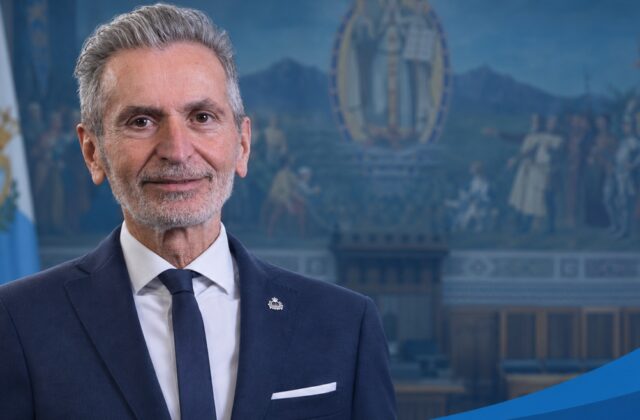
In his closing remarks, Secretary of State for Foreign Affairs Luca Beccari expressed satisfaction with the broad political consensus that emerged in the chamber and thanked all those who contributed to the negotiations, starting with his predecessors Antonella Mularoni, Pasquale Valentini and Nicola Renzi.
“I was the one who had the opportunity to bring this work to a conclusion and reach the end of this long journey, but this adventure certainly did not begin with me.”
The Council’s session was adjourned at 2 p.m. and will resume Wednesday morning at 9 a.m.