A total of 627 patients with neurocognitive disorders are currently being monitored in San Marino. Of these, 455 present a mild form of the condition, while 172 have a more advanced stage that limits their independence in daily activities. The figures, updated as of August 2026, come from the database of the Neurology Operating Unit at the Institute for Social Security (ISS) and were released to mark World Alzheimer’s Day, observed on 21 September.
The average age is 79 among patients with mild symptoms and 82 among those with more significant impairment. Women make up 57% of the total. In most cases, the disorders stem from neurodegenerative diseases, of which Alzheimer’s is the most common.
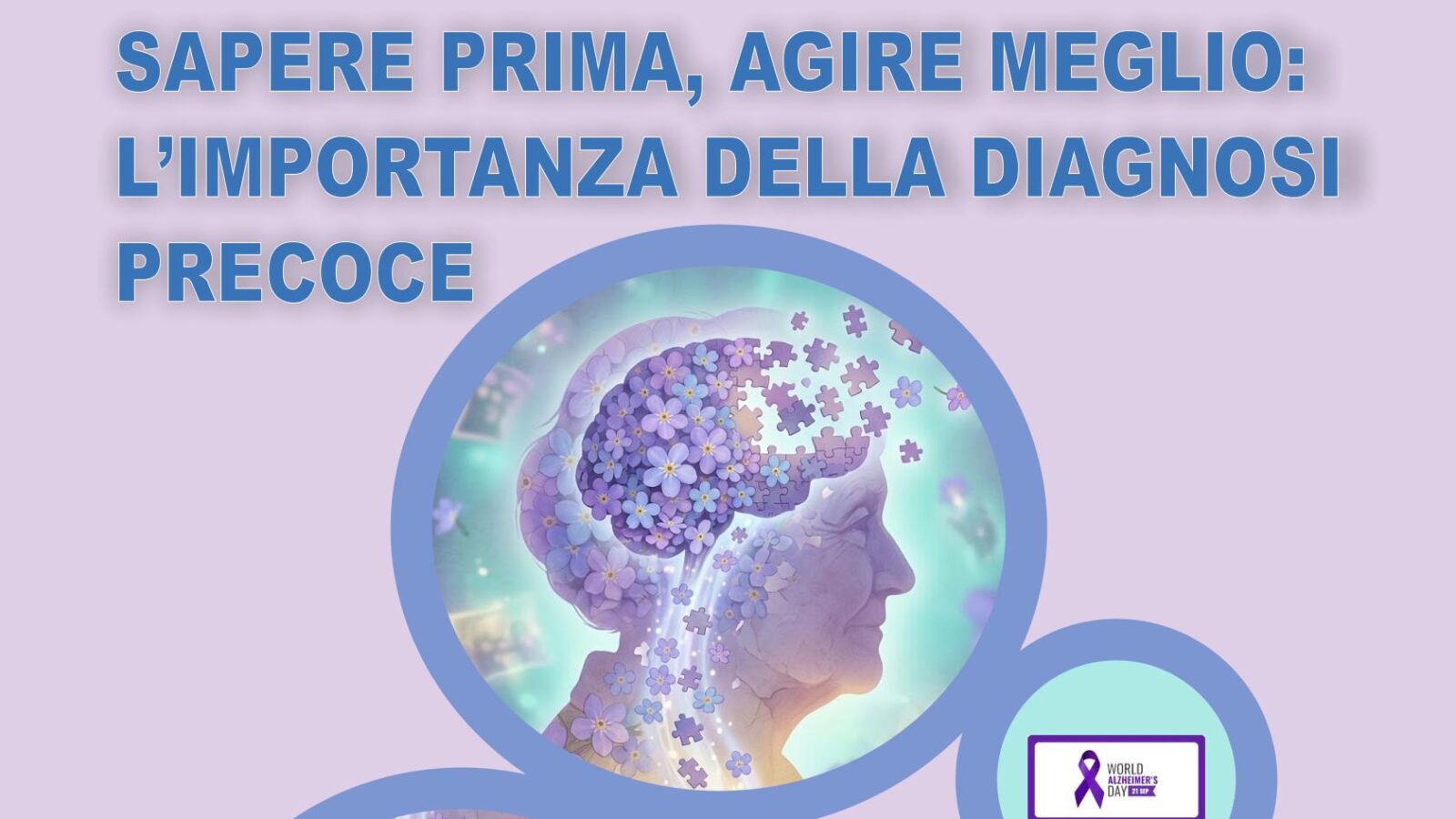
The theme chosen internationally for 2026 is “The Earlier You Know, The More You Can Do: A Dementia Diagnosis Matters,” which can be translated as “The sooner you know, the more you can do: why a dementia diagnosis matters.”
Health authorities are urging people not to dismiss changes in memory, orientation, language, behaviour or cognitive ability, and to consult healthcare professionals for an assessment. “An early diagnosis does not necessarily mean a cure, but it can help the person, their family and their caregivers better understand the condition, weigh available options, access care and support pathways, and plan the most appropriate health, care and social interventions in good time,” explain the Secretariat of State for Health and the ISS.
Dementia represents one of the major health and social challenges of our time. According to World Health Organization estimates, around 60 million people worldwide are living with some form of dementia, with nearly ten million new cases diagnosed each year. Alzheimer’s disease accounts for 60-70% of cases.
Memory disorders and other cognitive impairments can have a variety of causes. For this reason, experts stress the importance of relying on qualified professionals and following a clinical pathway capable of distinguishing between different forms of cognitive decline and identifying the most suitable care approach.
In San Marino, the care pathway involves, alongside Neurology, the Geriatrics department, the La Fiorina care home, integrated home care services and various associations working alongside patients and their families. The clinic dedicated to cognitive disorders also runs an animal-assisted therapy programme, designed to make the wait for appointments calmer and to offer a warmer, more attentive welcome.
A central role is given to caregivers, who face the daily consequences of the disease on family life, relationships and care responsibilities. This is also the context for San Marino’s recent measures aimed at recognising and supporting family caregivers.
“The theme chosen for World Alzheimer’s Day,” said Secretary of State for Health and Social Security Massimo Andrea Ugolini, “points to a clear responsibility: promoting timely diagnoses and integrated care pathways. Knowing about the disease earlier allows individuals and families to find their bearings, access services and plan the most appropriate interventions. This is also the spirit behind the ongoing legislative process to formally recognise family caregivers, which highlights the value of the care work carried out within families. The goal is to strengthen a health and social care system capable of supporting patients and their families together.”
“When a family receives a diagnosis of Alzheimer’s or another neurocognitive disorder,” noted ISS Director General Claudio Vagnini, “the way they experience daily life and look to the future changes. That is why early diagnosis is not just a clinical act: it is the first step towards not facing a complex journey alone. The ISS wants to stand by people with expertise and attentive listening, offering guidance, continuity and a network of services able to support those who care for their loved ones every day as well. In these pathways, the quality of care is also measured by the ability to accompany, explain and remain close to those in need.”
Meanwhile, Asspic, the San Marino Association for Supporting People with Age-Related Brain Diseases, continues its activities on the ground. Following a briscola card tournament held on 19 September, the next event will be a walk scheduled for Sunday, 27 September, starting at 9am from Parco Ausa, in collaboration with La Genga.