The Isal, the CsdL’s labour services institute, is renewing its commitment to supporting the most vulnerable, once again this year funding solidarity initiatives both in San Marino and abroad thanks to resources raised through the “three per thousand” tax allocation scheme.
“Isal thanks everyone who chose to allocate three per thousand of their tax return to the institute, thereby contributing to the domestic and international solidarity initiatives that the Institute funds every year,” the statement reads.
On the international front, previously launched interventions have been confirmed. “This year the labour services institute has renewed its humanitarian aid for the people of Gaza, who continue to live in conditions that can only be described as dire, as well as its distance-adoption programme at the Kivuli Social Centre in Kenya, run by the Amani association.”
Alongside these initiatives, Isal has also made a contribution within San Marino itself, donating funds to Asspic, the San Marino Association for Support in Age-Related Brain Diseases, founded in 2017 to improve the quality of life of people affected by neurodegenerative conditions, including Alzheimer’s disease, and their families.
“Through a series of concrete initiatives,” the statement continues, “Asspic supports the clinical work of the State Hospital’s Neurology department and organises targeted activities such as cognitive stimulation groups and psychological support groups for both patients and the family members who care for them.”
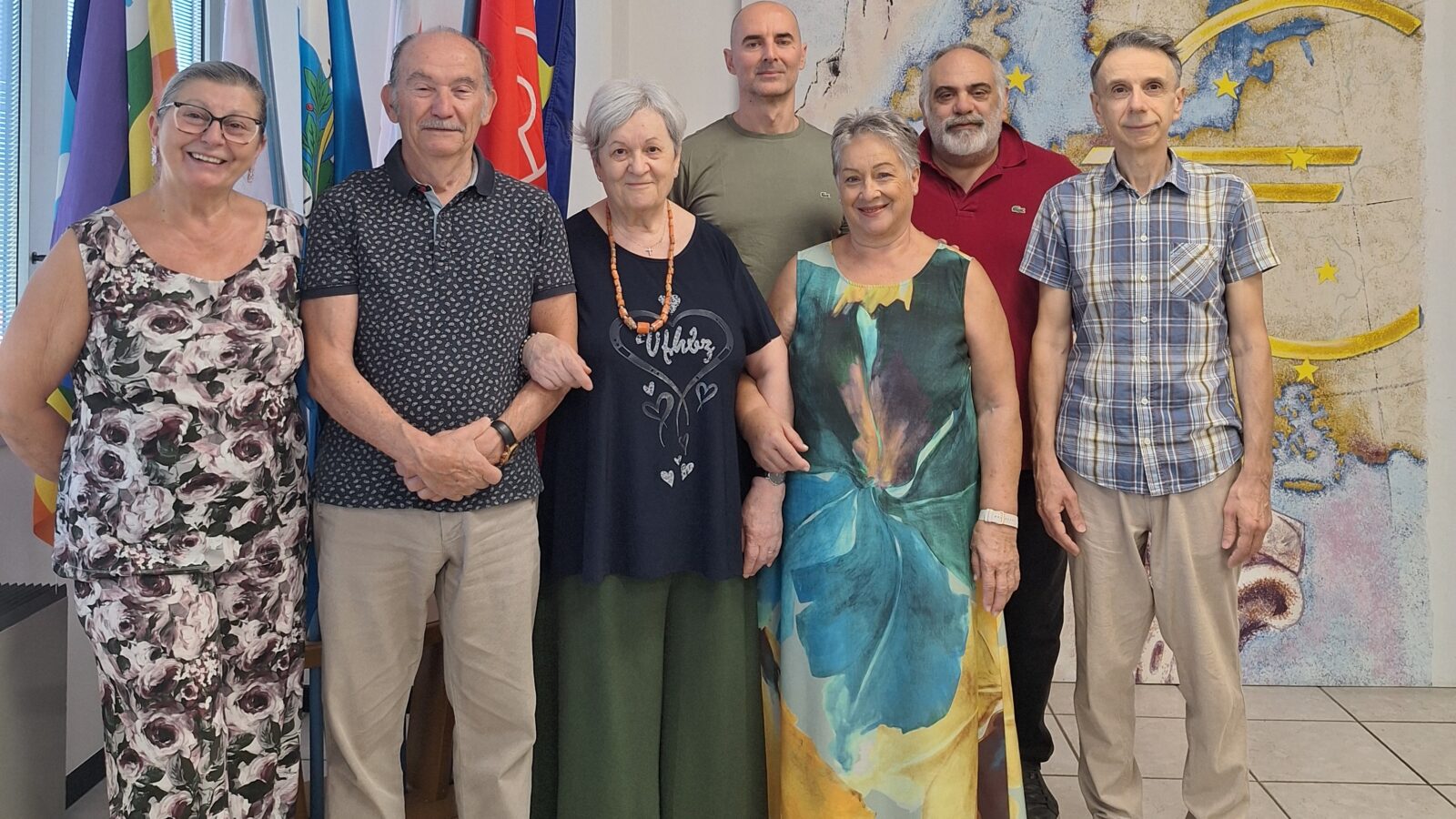
The association’s projects were presented during a meeting between Isal’s board of directors and Asspic’s president, Arolda Ranocchini. “The initiatives were explained in detail by the president, who highlighted their value and the benefits they bring to patients as well as to family members, who likewise face great hardship given the particular and extremely complex nature of these devastating illnesses.”
“Solidarity, especially towards the most fragile and disadvantaged,” the statement concludes, “is one of the founding and defining values of the CsdL, one that takes concrete shape through initiatives like these and, more broadly, in its everyday work.”