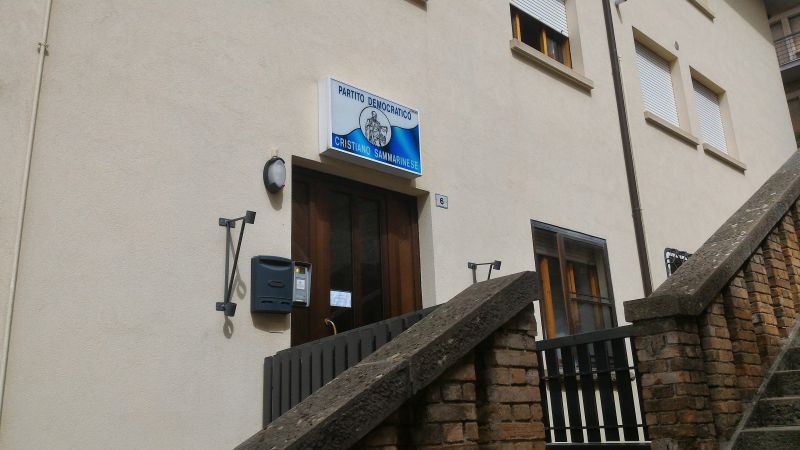
From support for the birth rate to subsidies for nursery schools, as well as measures for caregivers, single mothers and new guarantees for the self-employed. The PDCS council group has spoken out after the Grand and General Council (Consiglio Grande e Generale) approved the new law supporting families, highlighting in particular the measures dedicated to parenthood and to situations of greater vulnerability.
The measure introduces a set of economic and social interventions aimed at families. Among the provisions are a €1,000 contribution for every newborn, support for single mothers, changes to nursery school fees, and the extension to self-employed workers of sick leave benefits to care for their children.
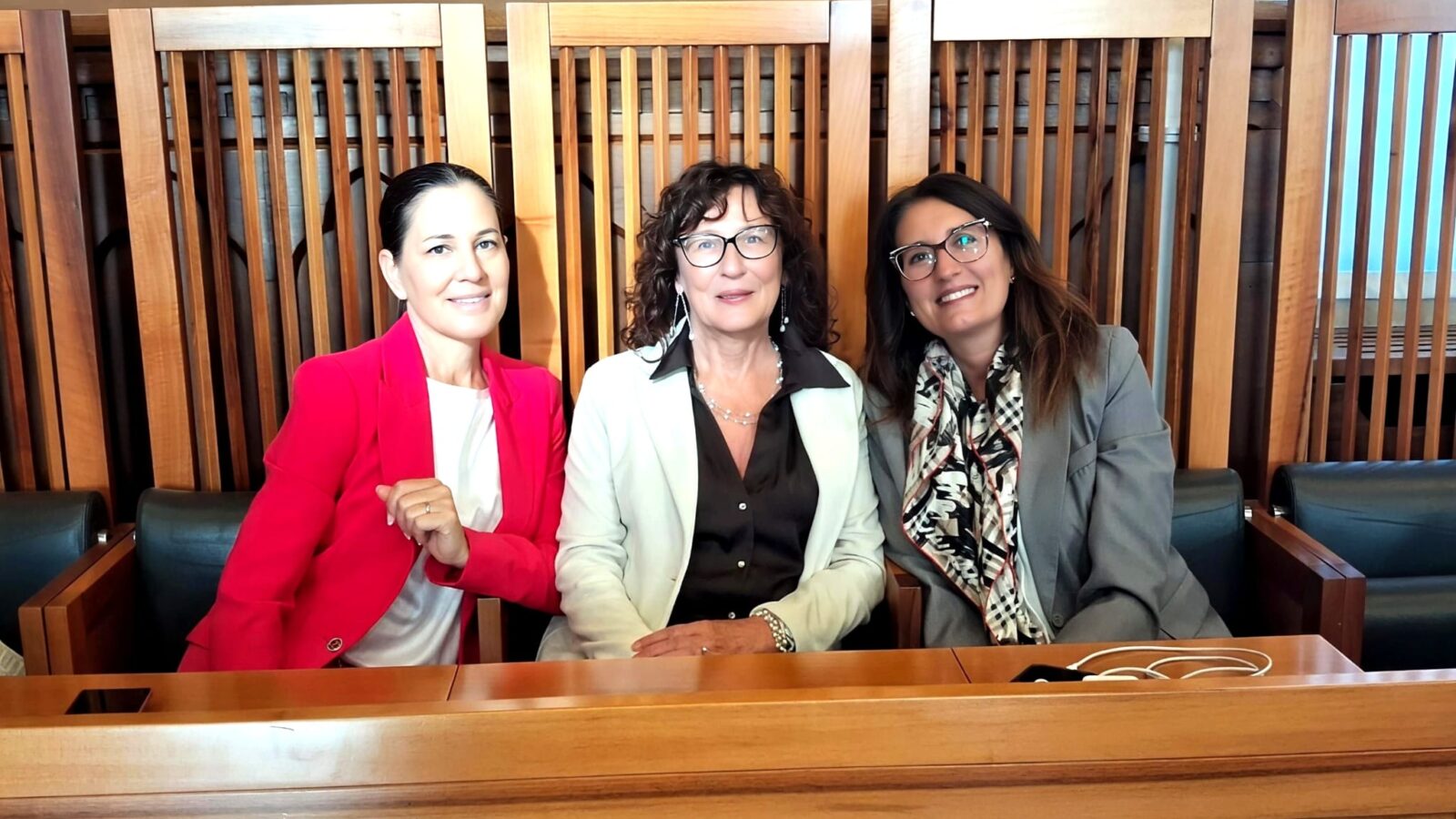
“The text, approved at the conclusion of the examination of the articles, introduces a comprehensive package of economic and social protections to support couples, ease the balance between work and private life, and extend guarantees to vulnerable households” — reads the statement issued by Christian Democrat councillors Marinella Chiaruzzi, Francesca Civerchia and Sandra Stacchini.
The group also emphasized the work carried out on inclusion and assistance. “The work done on the themes of inclusion, family assistance and caregiving roles has proven particularly significant, the result of ongoing dialogue with third-sector organizations and civil society.” The statement also extends “heartfelt praise to Secretaries of State Stefano Canti and Massimo Andrea Ugolini for the determination, institutional commitment and ability to find common ground shown throughout the entire legislative process.”
Focusing on protections for vulnerable people is Francesca Civerchia. “We are looking at an essential step forward for civil society,” stresses the deputy leader of the PDCS council group. “This measure stems from careful listening to the associations that work daily alongside vulnerable people, from organizations active in the field of disability to associations dedicated to Alzheimer’s care. We wanted to codify real protections for parenthood and for women facing complex paths related to motherhood. Recognizing the social value of caregivers and strengthening pension benefits for mothers caring for children with severe disabilities means restoring dignity and institutional closeness to those who dedicate their lives to care. This is pure social justice.”
On the economic front, Sandra Stacchini points to the measures designed to ease the expenses borne by families. “Supporting family budgets means defending the very fabric of our community. Through the graduated reduction of costs related to school meals and nursery schools — scaled down to zero for cases of greatest need — the Republic is choosing to bet on its own future. Direct crediting of the single mothers’ allowance onto the SMAC Card ensures procedural speed and practical effectiveness. The progressive integration with the ICEE model will make it possible to refine the targeting of interventions, ensuring that public resources reach those who need them most.”
Another point concerns self-employed workers, who are now granted the right to sick leave benefits to care for children up to age 14 in cases provided for by law.
“Equalizing protections between employees and the self-employed when it comes to caring for children addresses a concrete need felt daily by workers,” observes Marinella Chiaruzzi. “Considering time devoted to caregiving as a primary public good represents the most effective response to declining birth rates. The text approved in the Chamber reflects the value of a rigorous political process capable of placing the family unit at the heart of institutional planning.”
For the PDCS council group, then, the law aims to act simultaneously on economic support, the balance between work and family, and care assistance, broadening the protections provided under San Marino’s legal framework.