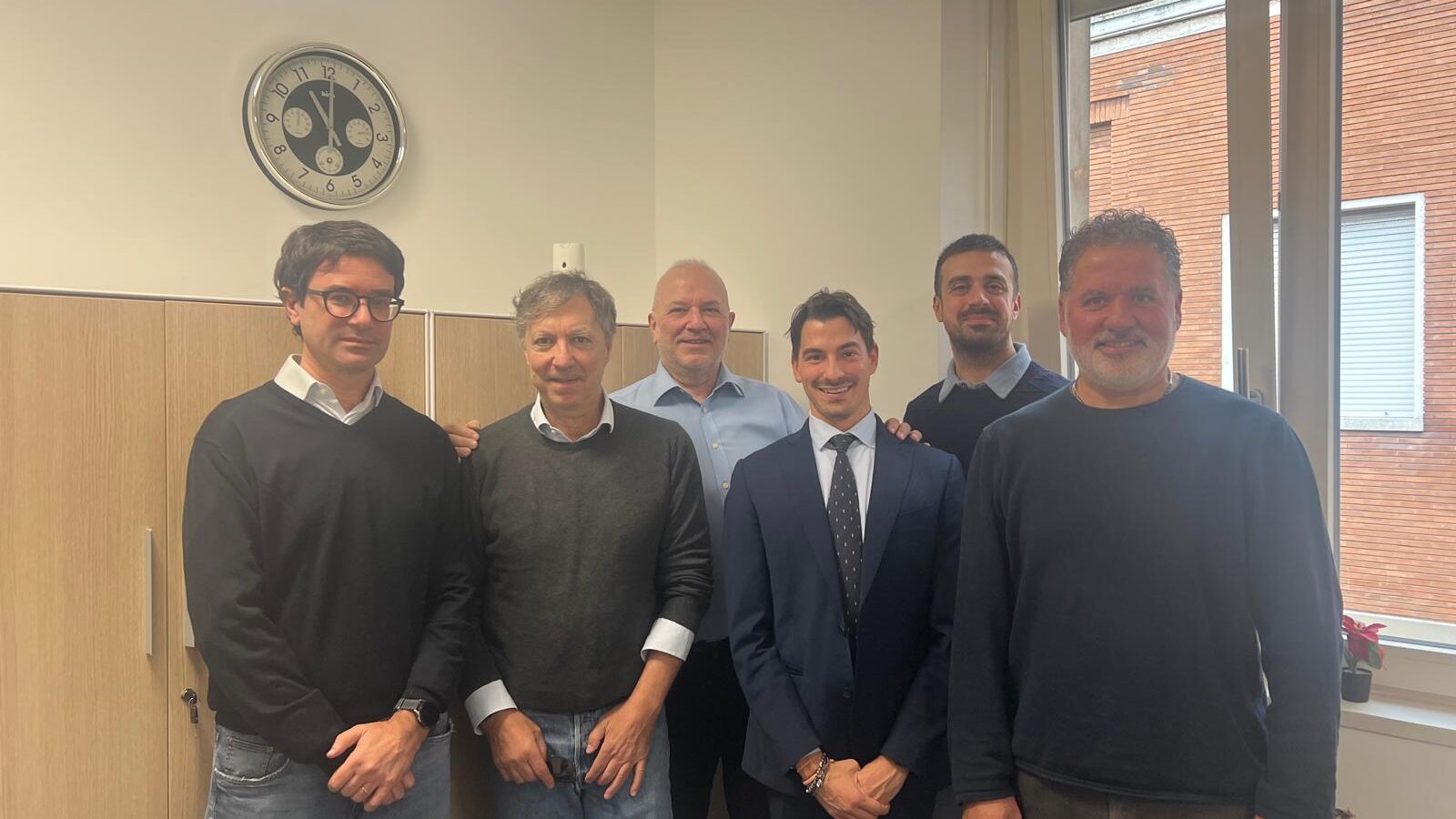
Guidance, job placement lists and employment reintegration pathways. These were the topics addressed by the San Marino delegation that, on the morning of 11 November, visited the Rimini Employment Centre (Centro per l’Impiego) as part of the Republic’s effort to modernise its employment services.
The meeting with the head of the Rimini centre, Marco Morri, was attended by Stiven Ciacci, private secretary at the Secretariat of State for Labour, Maurizio Neri, director of the Labour Office (Ufficio per il Lavoro), and ULPA officials Andrea Gennari and Luca Soldati.
The discussion focused on how the centre is organised and the methods used to support unemployed individuals. “At the heart of the meeting was a comparative analysis of practices for matching labour supply and demand, with particular attention to guidance tools, the management of placement lists, and pathways for reintegration into employment,” the statement reads.
The aim is to review the administrative and operational procedures of San Marino’s Labour Office, also in light of prospects for cross-border cooperation linked to the Association Agreement with the European Union. The exchange with the Rimini centre is intended to identify useful practices for adapting services to the needs of both job seekers and businesses.
“The effectiveness of active labour policies is measured by the ability to innovate processes and maintain constant dialogue with neighbouring territories and relevant authorities,” said the Secretary of State for Labour, Alessandro Bevitori.
“Today’s mission by our officials to Rimini represents a concrete step in the process of updating and revising the procedures of our Labour Office. Getting a close look at well-established operational models allows us to improve the matching of supply and demand, providing more timely responses to citizens seeking employment and preparing our system for the challenges and opportunities arising from the European integration process and new cooperation agreements.”
At the end of the visit, both parties agreed to continue their technical collaboration and joint discussions on the organisation of public employment services.