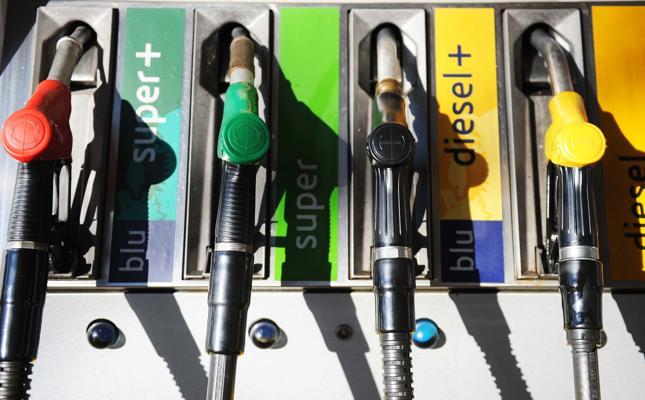
Fuel prices are still above two euros a litre, and Federconsumatori Rimini is once again on the offensive, calling the measures outlined by the government insufficient and demanding more substantial discounts at the pump along with checks on possible speculative practices.
“Fuel prices have gone through the roof, now topping 2.02 euros for petrol and 2.14 for diesel. It is obvious that something isn’t working” – reads the statement from Federconsumatori Rimini.
To back up its position, the association cites estimates from the Federconsumatori Observatory, calculated by factoring in the trend of raw material costs, the euro-dollar exchange rate and changes in excise duties. According to these calculations, “current prices are higher than they should be by +26 cents per litre for petrol and +19 cents per litre for diesel, despite the cut in excise duty on the latter.”
This gap, Federconsumatori argues, translates into a significant burden on household budgets: more than 272 euros a year per family just for refuelling, on top of a further 247.50 euros in indirect knock-on effects on consumer goods, given that 86% of goods in Italy are transported by road.
Hence the criticism levelled at the measures the government is reportedly preparing to adopt. “In light of this situation, the previews of the measures the government intends to adopt at this evening’s Council of Ministers appear wholly inadequate” – the statement continues.
Federconsumatori is particularly critical of a possible extension of the discount limited solely to diesel. “The mini-extension of the discount, applying only to diesel, points to a serious lack of vision and long-term planning: it’s like trying to put out a fire with a glass of water. What’s needed is a discount of at least 20 cents on petrol and at least 25 on diesel. But above all, strict controls are needed against speculative practices which, for some time now, have completely absorbed the discounts and the government’s efforts.”
The statement also tackles the issue of taxing windfall profits. “Furthermore, giving up on taxing windfall profits, in an attempt to pass the buck to the European level – even after the clear refusal from the President of the European Commission – amounts to an unacceptable abandonment of any policy of fairness and support for families, who are pushed aside whenever it comes to touching major economic interests.”
Finally, the association expressed doubts about the proposal for income-based aid. “While we wait to better understand how this would work, we consider the government’s intention to provide aid to consumers based on income to be little more than a stopgap: we would not want it to end up, as has already happened in other cases, offering very limited resources to an extremely narrow pool of consumers, using social fairness as a cover to exclude millions of Italians who are anything but well-off (especially in this period).”
Federconsumatori Rimini is therefore calling for a far broader intervention than the measures proposed so far, with reductions of at least 20 cents on petrol and 25 cents on diesel, alongside tighter checks on prices throughout the supply chain.