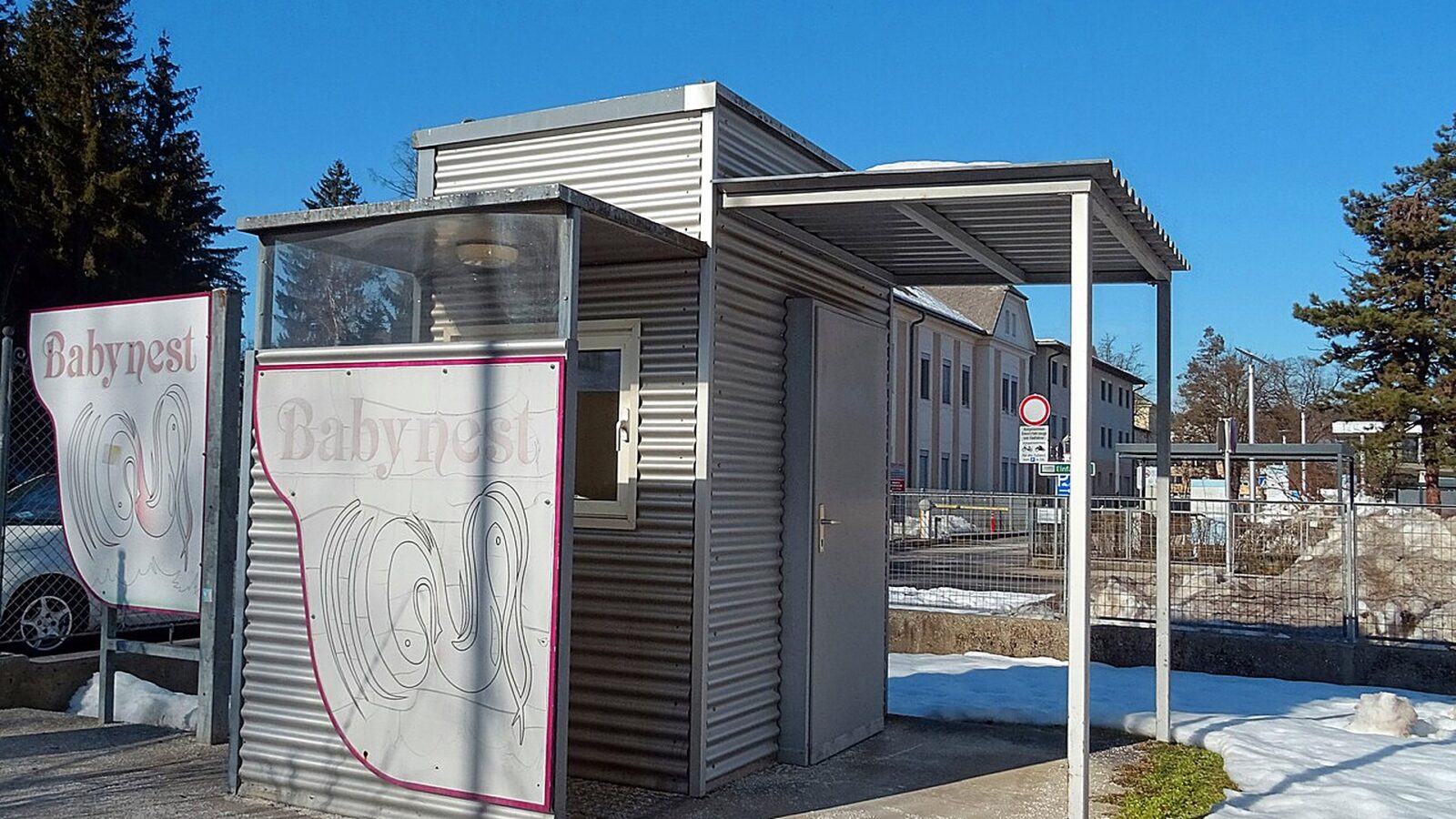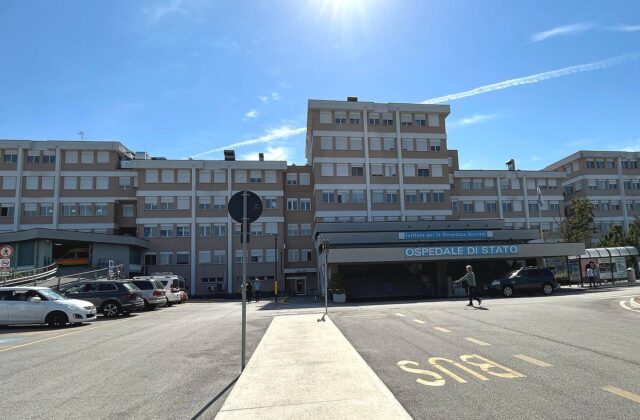
San Marino’s “cradle for life” (culla per la vita) will be housed in a purpose-built structure in the parking area near the former retirement home, just steps from the State Hospital. The project will cost around €100,000 and construction is expected to take about twelve weeks, not including design work and building and health permits. Secretary of State for Health and Social Security Massimo Andrea Ugolini gave the update on Wednesday afternoon during a session of Council Committee IV.
The thermal cradle allows a woman who does not wish to take on the maternal role to entrust her newborn to the immediate care of healthcare staff, safeguarding the child’s life while preserving the mother’s anonymity. The initiative stemmed from Arengo Petition No. 34 of 8 October 2023 — three years of waiting that no one in the committee tried to downplay.
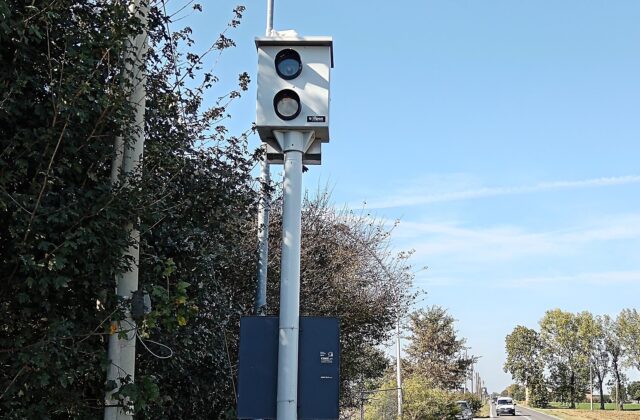
The Executive Committee of the ISS (San Marino’s state health institute) had already resolved, in a decree dated 28 May 2025, to build an entirely new structure, tasking the State Public Works Authority (Azienda Autonoma di Stato per i Lavori Pubblici) with drawing up the final design and cost estimate. Ugolini explained that the decision followed an assessment by a panel of professionals: the site needed to be outside the reach of video surveillance, yet close enough to the hospital to allow for immediate medical intervention if needed.
It was precisely this question of location that required extra time. The first option considered was the area near the premises where the pharmacy will be relocated — apparently the simplest solution. “But as we looked into it further, we realized that, paradoxically, that is one of the most closely monitored areas of the hospital, and this would conflict with all the privacy and anonymity requirements we must guarantee,” the Secretary explained. “If someone decides to entrust a newborn to the cradle for life, we must make sure the process doesn’t expose them to identification, which would undermine the very guarantee of anonymity the tool is built on.” This led to the decision to move the structure to the parking area of the former retirement home, a location less exposed in terms of infrastructure and surveillance.
Ugolini stressed that the construction itself is only part of the challenge. “It’s not just about the building — there are also all the protocols for taking charge of the child, involving various services,” he said, pointing to the requirements for medical equipment, control, alert and monitoring systems, clinical assessment protocols for the newborn, and the subsequent procedures for protection, foster care and adoption. Before the cradle becomes operational, a dedicated regulation will be drawn up. The design contract has already been awarded, and the executive project is now awaited.
There is also a detail that carries more weight than it might seem: this is a device that could remain unused for long stretches of time. “We’re talking about a tool that might be used once every several months, or even just once a year — and that’s exactly why it must always be in perfect working order, even after long periods of disuse,” Ugolini said.
That point drew cross-party agreement. Matteo Casali of Repubblica Futura called it “reassuring,” precisely because it reflects the complexity of the issue, and recalled cases reported elsewhere: “Just a few months ago, I remember an incident where a malfunctioning or poorly monitored baby hatch tragically led to the death of the newborn left inside it.”
Miriam Farinelli, also of Repubblica Futura, described herself as “a firm supporter” of the project: “So much time has passed — we’ve been waiting three years for this moment now, so I truly hope we can finally move toward actually building it.” Aida Maria Adele Selva of the PDCS recalled that the petition had also been backed by the previous Health Secretariat, and that the delays stemmed from technical issues: “Building the cradle for life would certainly send a positive signal in defense of life.”