Resignation for just cause without notice obligations, paid leave of up to 100 days, and new prevention and protection measures for both employees and self-employed workers.
San Marino’s Grand and General Council (Consiglio Grande e Generale) has approved, through an emergency procedure, the law on the prevention and combating of violence and harassment in the workplace, put forward by the State Secretariat for Labour.
The measure, passed on the International Day for the Elimination of Violence against Women, gives effect to International Labour Organization (ILO) Convention No. 190, ratified by the Republic in 2022.
“The new regulation,” reads the statement from the State Secretariat, “recognises every person’s right to carry out their professional activity in an environment free from violence and harassment, strengthening the tools of prevention and protection available to working women and men.”
The law introduces a broad definition of violence and harassment, covering both behaviour that occurs during the course of professional activity and conduct linked to work organisation and the relationships that arise from it.
“Protection also extends to gender-based harassment and violence, as well as to conduct carried out through work-related communications via IT and digital tools, where there is a direct link to the employment relationship or to work organisation.”
One of the main innovations concerns the recognition of just cause for resignation for victims of violence or harassment. “Where a formal complaint or criminal report has been filed for such acts, the worker may immediately terminate the employment relationship without any notice obligation, even in the absence of a final ruling by the judicial authority.”
The procedure will be managed by the Labour and Active Policies Office through a dedicated confidential form. Safeguards are in place to protect privacy, and, in cases established by law, workers will be able to access special mobility or unemployment lists and related benefits. The provisions also apply to public administration employees.
The other key chapter concerns paid leave for victims of violence. “The law grants employees and self-employed workers enrolled in protection programmes certified by the Social Security Institute’s services a period of leave of up to one hundred working days, which may also be taken in instalments over a three-year period.
The measure covers protection programmes relating to violence against women and gender-based violence, domestic violence, and violence and harassment in the workplace.”
Employees will receive full salary coverage, while self-employed workers will be entitled to an allowance equal to 100% of the average monthly professional income declared over the previous three years. The leave period will also count for social security purposes. Access arrangements will be set out in a regulation issued by the Congress of State.
“The dignity of work is also measured by the chance to carry it out free from fear, blackmail or abuse. No working woman or man should ever be forced to choose between their own safety and the chance to keep their income and their professional path.
With this law we are making concrete tools available: the possibility of terminating, for just cause, an employment relationship marked by violence or harassment, with the safeguards provided, and paid leave to go through a protection programme without losing essential economic support.
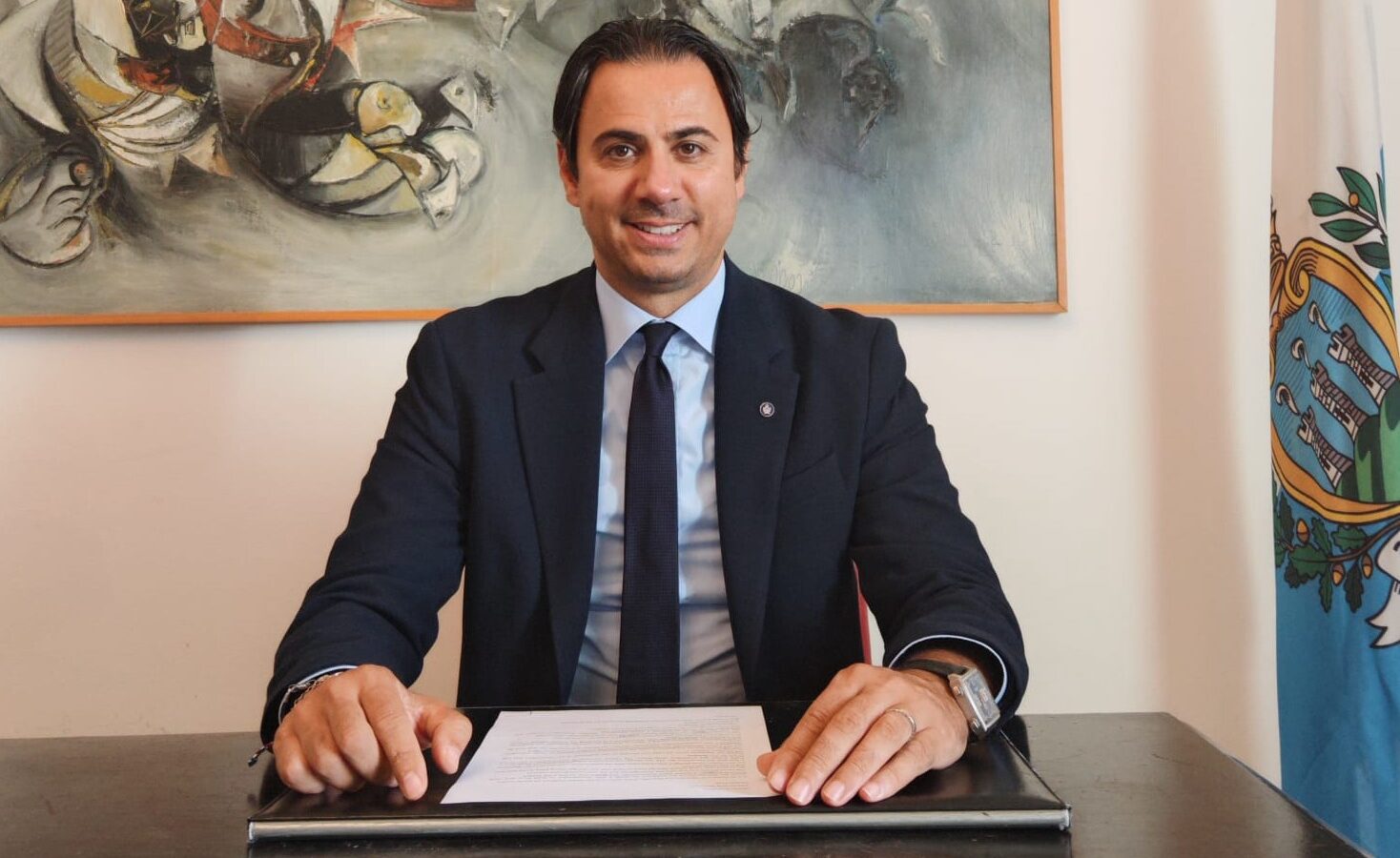
This is a result built through dialogue with the social partners. Now we must ensure that these protections are known, accessible and applied, accompanied by a culture of prevention involving institutions, businesses and workers alike,” said Alessandro Bevitori, State Secretary for Labour.
The approved text is the result of discussions launched as part of the multi-year National Plan for the Elimination of Violence, Harassment and Discrimination in the Workplace, adopted by the Congress of State in March 2024. The technical working group, which included government representatives, trade unions and employers’ associations, reached a shared formulation on 29 May 2026.
Finally, the law provides for monitoring of results twelve months after its entry into force and a subsequent legislative measure to update workplace health and safety provisions, with particular attention to the prevention and management of risks linked to violence, harassment and psychosocial factors.