The midterm elections of 3 November cost the Republicans both the House and the Senate.
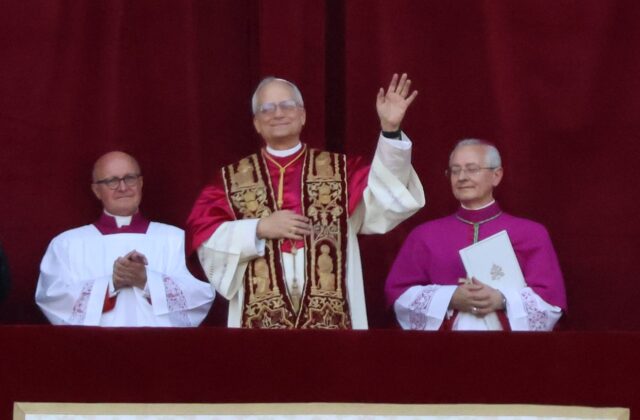
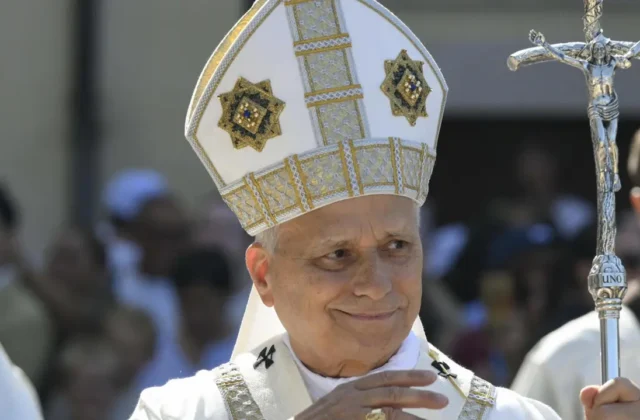
But among the millions of ballots that arrived by mail, one was destined for the history books: that of Leo XIV, the first Pope to vote in an American election. Not an endorsement — a signal, one that some in Washington appear to have underestimated.
The gesture itself was simple. A ballot mailed from Illinois, where he grew up, just as any American citizen living abroad would do. The Holy See Press Office confirmed the vote without revealing who he had voted for, noting only the Pope’s conviction regarding “the right and duty of citizens to take part in democratic processes.”
No indication of his choice, then — only the idea that this responsibility exempts no one, not even the successor of Peter.
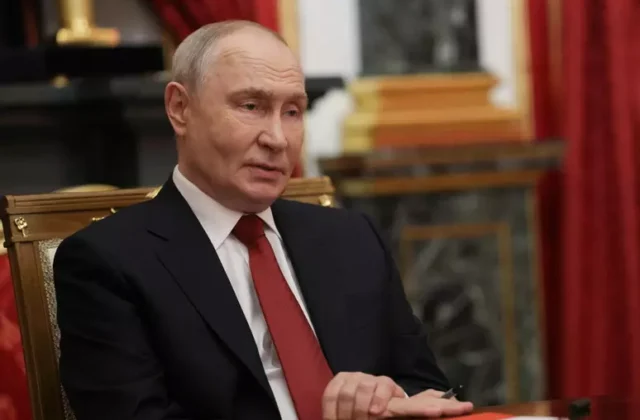
The vote, however, did not come at just any moment. Since his election in May 2025, Leo and Trump have never once spoken by phone. In April, after the Pope condemned the war in Iran, the president publicly attacked him, calling him “weak on crime” and “terrible on foreign policy,” even suggesting that the Church had chosen him simply because he was American, as the best way to deal with him.
Leo’s reply, delivered aboard the papal plane to Algiers, was terse: there was no fear of the American administration, because “we are not politicians.”
Then came the ballot boxes. The day after the Republican defeat, Vice President JD Vance, a Catholic, wrote that the party had lost because of the war — the very war the Pope had been condemning for months. And American Catholics, who had backed Trump with 55% of their vote in 2024, this time split almost exactly down the middle, according to exit polls.
Crediting the Pope with the election outcome would be a stretch: American analysts point above all to the economy and the cost of living. But dismissing his influence altogether would be the opposite mistake — and it is one the White House seems to have made, viewing the Church through the lens of American politics, as though it were a party to be measured in votes.
To the famous question attributed to Stalin — “How many divisions does the Pope have?” — the answer remains the same as it was then: none. The Church commands no armies and wields no financial leverage. Yet it counts more than 1.4 billion faithful, maintains diplomatic relations with 184 states, and holds a moral authority that, when it speaks of peace, migration and inequality, reaches even those who do not believe.
Leo XIV seems to have grasped this early on. On 4 July, as America celebrated 250 years of independence, the first American Pope in history was praying at Lampedusa over the graves of migrants. Not a confrontation with governments, but an autonomous space within the global debate, claimed through gestures even before words.
In San Marino, this is a lesson we know well. For seventeen centuries our Republic has understood that one can carry weight in the world without the force of numbers — provided one has credibility, memory, and a diplomacy that cannot be improvised.
The midterms thus leave behind a second message, quieter than the first: there still exist forms of power that cannot be measured in votes, approval ratings or divisions. The Church’s return to the geopolitical stage may have only just begun. And Leo XIV does not appear inclined to watch it from the sidelines.
Analysis by Michela Pelliccioni