Works are set to be completed by December 2026, with electricity production expected to start in early 2027, subject to the conclusion of technical and authorisation procedures.
This is the schedule for the new photovoltaic plant in Visano, in the province of Brescia, developed through A.A.S.S. Holding.
Once fully operational, according to estimates included in the official statement, it could help meet around 7% of San Marino’s electricity needs.
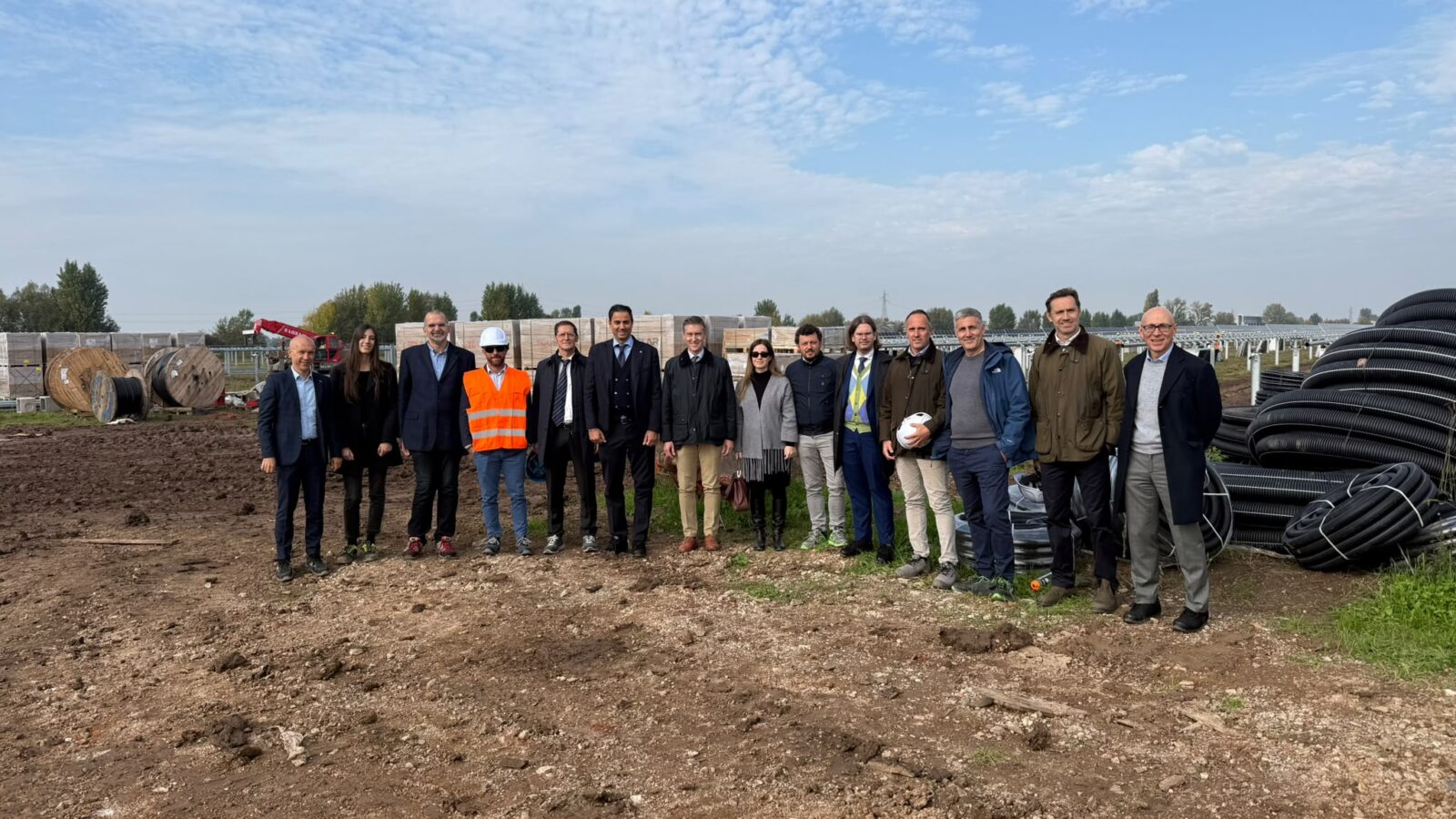
The progress of the construction site was reviewed during an institutional inspection on 28 October.
The visit was attended by the Secretary of State for Labour and Ecological Transition Alessandro Bevitori, the Director of the Department of Labour and Cooperation Raoul Chiaruzzi, the General Director of A.A.S.S. Marcello Forcellini, the President of A.A.S.S. Holding Remo Giancecchi and the Sole Administrator of Atlas Solar 12 Lorenzo Amadori, together with representatives from Protesa and the Visano municipal administration.
The investment aims to increase renewable energy production and diversify the Republic’s energy supply sources.
“The Visano investment marks an important step in the Republic of San Marino’s energy strategy,” said Bevitori. “The ability to develop renewable production capacity even beyond national borders represents a concrete opportunity to strengthen supply security and progressively reduce exposure to fluctuations in energy markets.
Today’s inspection confirms the positive progress of a project that reflects the commitment of our institutions and of A.A.S.S. to pursuing long-term sustainability, autonomy and stability.
I would like to thank the local authorities, all those involved in carrying out the project, and the professionals dedicated to its success.”
The economic significance of the operation was also addressed by the Secretary of State for Finance, Transport and Energy Marco Gatti, who was not present at the site visit.
“Investments in energy production are a fundamental component of the Republic’s long-term economic planning,” he said.
“The Visano project fits within a policy aimed at making the most of public resources, diversifying supply sources and limiting the risks linked to volatility in energy markets.
Strengthening renewable production capacity means contributing to the economic sustainability of the country’s system and creating favourable conditions for business competitiveness and the protection of households.”
The Brescia-based project complements existing facilities within San Marino’s own territory. A.A.S.S. General Director Forcellini highlighted in particular the works underway at the public slaughterhouse and those planned at the Water and Gas Service headquarters.
“The Visano photovoltaic plant is part of a broader, organic investment strategy that A.A.S.S. is pursuing to increase renewable energy production and progressively strengthen the security and diversification of the Republic’s energy supplies.
This initiative complements projects developed directly within San Marino, including the photovoltaic plant at the public slaughterhouse, now nearing completion, and the one planned at the Water and Gas Service headquarters on Via Ovella, which is about to begin.
These are complementary initiatives that demonstrate the company’s commitment to pursuing a structured and progressive investment programme, making the most of opportunities both within the national territory and abroad, with the goal of contributing to environmental sustainability, energy system efficiency, and long-term value creation for the community.”
The President of A.A.S.S. Holding, Giancecchi, emphasised: “With the construction of the Visano plant, A.A.S.S. Holding reinforces its commitment to developing renewable production capacity.
The goal is to help build a more diversified and resilient energy system through sustainable investments and careful resource management, in line with the Republic’s strategic direction.”
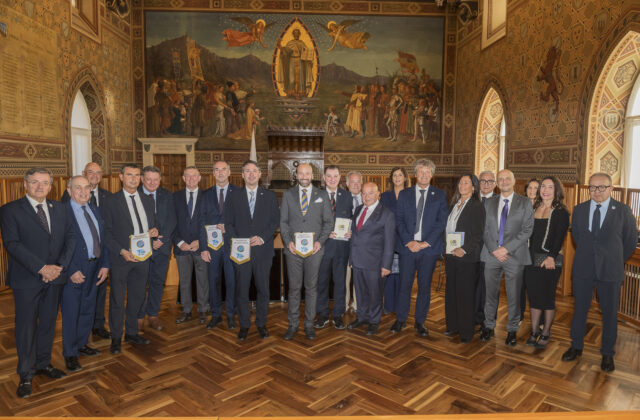
During the visit, the Mayor of Visano, Paolo Panizza, met with the San Marino delegation and toured the areas involved in the works. Discussions focused on cooperation between the two administrations and the development of further renewable energy initiatives.