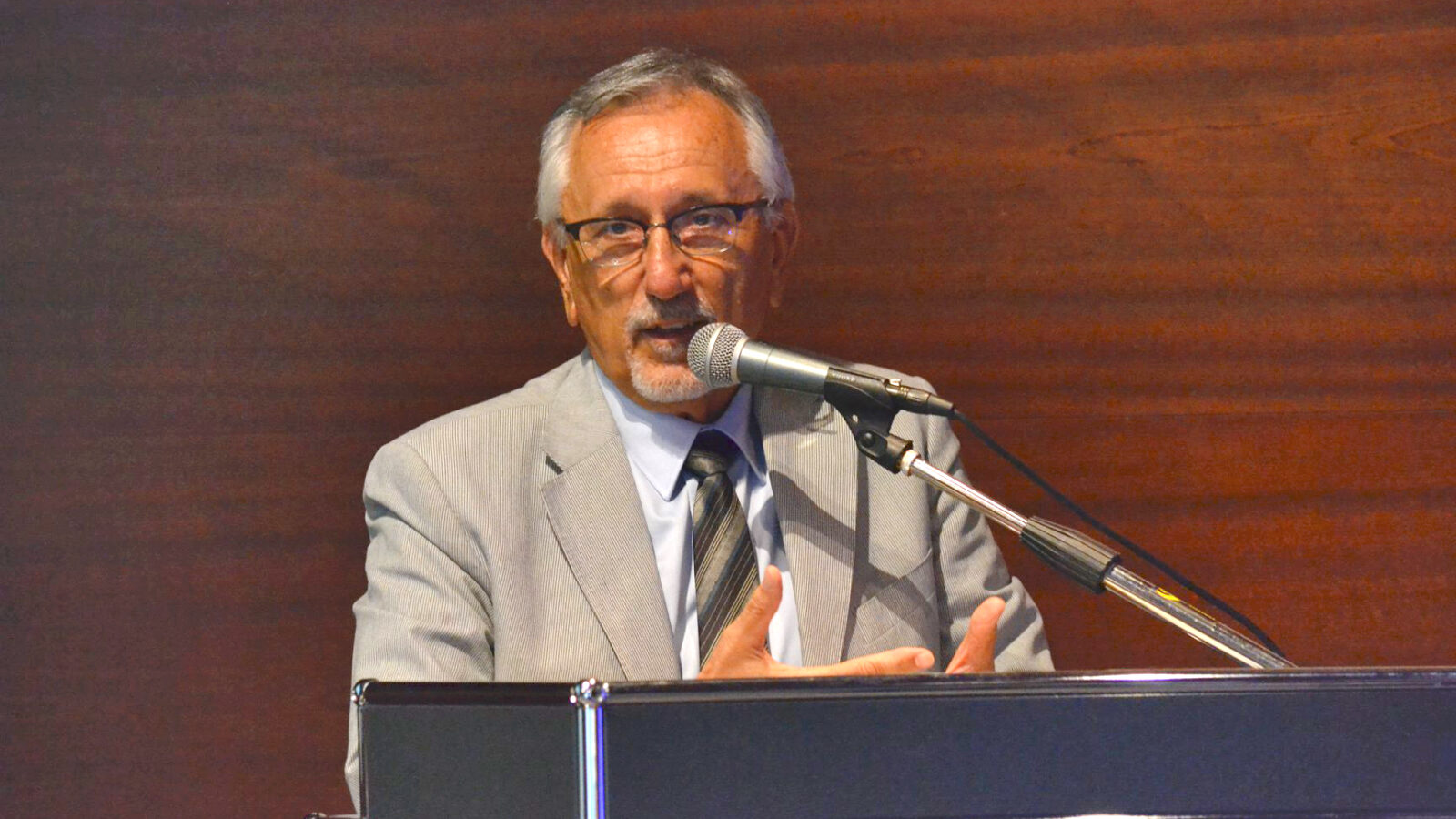
Pasquale Valentini, former Secretary of State for Education and former headmaster, has come to the defence of Middle School teachers, who have found themselves at the centre of controversy for bringing only first-year classes to SportInFiera. He speaks of unacceptable threats and denigration on social media and in the press, and invokes the school’s autonomy as enshrined in law. His statement follows.
The world of education has shaped a large part of my life. I have had the full satisfaction of being a student, a teacher, a headmaster and Secretary of State for Education.
I followed the evolution of San Marino’s school system from the 1970s until 2016, when I retired.
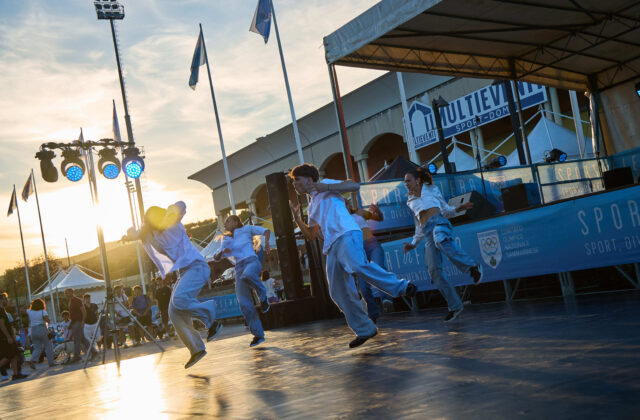
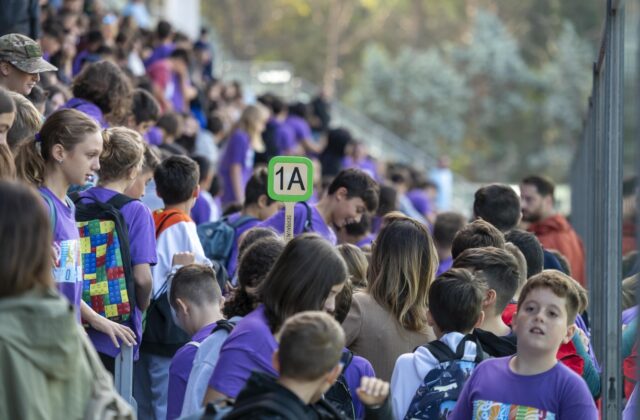
That is why I was very surprised and deeply saddened these past few days to read the comments — full of threats and unacceptable denigration — that have appeared on social media and in the press regarding Middle School teachers, over their decision to have only first-year students take part in the SportInFiera event during school hours.
The teachers of the Middle School board, having assessed in light of past experience that limiting participation in the aforementioned event to first-year classes would allow for a better experience of the event and greater engagement from the students, found themselves labelled — to put it mildly — “stuffy professors entrenched in corporatist defensiveness,” said to be capable only of teaching younger generations “that bureaucratic rigidity matters more than physical wellbeing,” with the whole decision dismissed as “organisational laziness disguised as pedagogical principle.”
None of these comments made any effort to understand the reasoning behind the teachers’ stance, which was meant, quite rightly, to reflect their duty to protect the students entrusted to their care — students for whose educational and developmental activities they bear full responsibility. This is the essence of the autonomy the teachers referred to, an autonomy that, within the bounds of rules and regulations, no authority should presume to violate.
Law No. 21/1998, the General Rules on Education, states in Article 1: “The education of the individual represents a fundamental good and priority for the Republic and for the moral, civil and economic development of the country. The education and training system, the family and other social bodies with an educational role, cooperating according to the principle of subsidiarity and in respect of the autonomy of each sphere and the duties proper to each institution, shall protect and promote the growth of the individual and the development of their abilities and aptitudes, for active and responsible participation in society.”
Agreements promoted by those responsible for the various sectors of society — culture, sport, healthcare, the economy — aimed at fostering collaborative initiatives with schools are therefore most welcome, provided they respect these principles of subsidiarity and autonomy, to which teachers themselves are first and foremost committed. In upholding that commitment, they should not be left to stand alone.
All of this takes on even greater importance in a State whose small size does not even allow for the kind of diversity that can come from having a plurality of schools to choose from.
Pasquale Valentini