Da San Marino al mondo. C’è chi ha scelto di costruire il proprio futuro oltre confine senza mai dimenticare le proprie radici. Con questa rubrica, Insider.sm racconta le storie dei sammarinesi che vivono all’estero, le loro esperienze, le sfide affrontate e i traguardi raggiunti.
Da Serravalle agli Stati Uniti, con San Marino sempre nel cuore. Roberta Felici vive in America da gran parte della sua vita, ma il legame con il Titano è rimasto intatto e oggi viene tramandato anche alle nuove generazioni della sua famiglia. In questa intervista racconta l’emigrazione dei genitori, l’infanzia nella comunità sammarinese di Detroit, la carriera nell’optometria e il rapporto con una Repubblica nella quale continua a tornare ogni anno.
Ci racconta la storia della sua famiglia? Quando e perché avete lasciato San Marino per gli Stati Uniti?
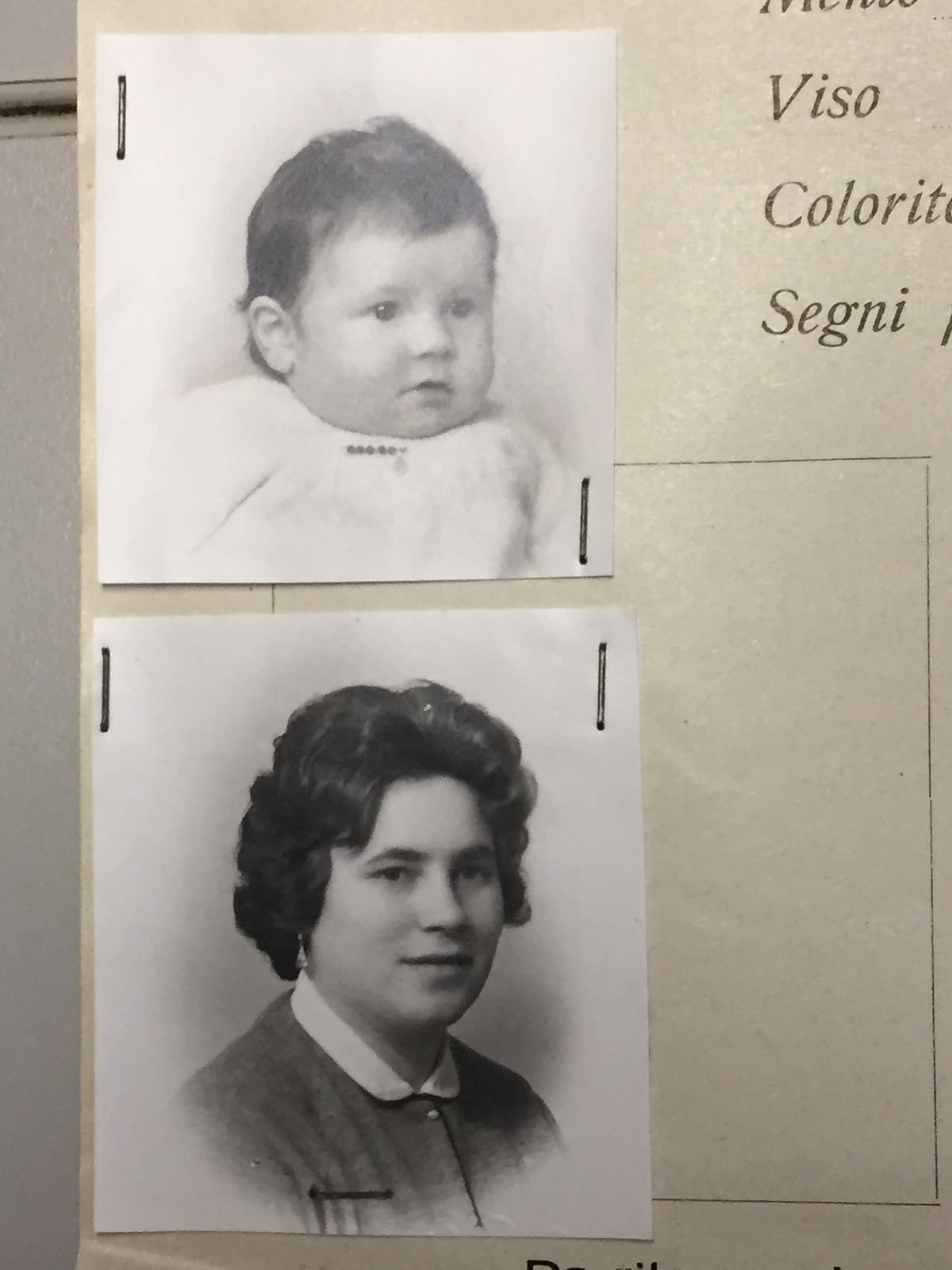
«Sono cresciuta in molti posti diversi: la vera vita di un’emigrata. Sono nata a Serravalle, nella casa dei miei nonni, nel 1961. Mio padre, Vincenzo Felici, di Chiesanuova e Dogana, era da poco emigrato a New York. Mia madre, Graziella Sarti, di Serravalle, rimase a vivere con i suoi genitori fino alla mia nascita. Sei mesi dopo, mia madre e io partimmo in nave per il porto di New York. Ho ancora la fotografia del passaporto con mia madre e me, neonata tra le sue braccia: un solo passaporto per tutte e due.
Due anni dopo, a Franklin Square, a Long Island, nacque mia sorella Lucia. I genitori di mio padre si ammalarono e mia madre, mia sorella e io tornammo a San Marino per aiutarli. Durante quel periodo si ammalò anche mia madre e così vivemmo per due anni con i miei nonni materni, Rosa Tamagnini e Luigi Sarti, a Serravalle. Io frequentai la scuola materna al convento di Serravalle.
Avevo cinque anni quando, nel 1966, tornammo negli Stati Uniti. Mio padre si era trasferito a Detroit per lavoro. Iniziai lì la scuola e rimanevo anche dopo le lezioni per imparare l’inglese con l’aiuto di un tutor e di un’altra giovane immigrata sammarinese. Mio fratello John nacque poi a Dearborn, in Michigan.
Dai cinque anni in avanti sono cresciuta a Detroit insieme a tanti altri immigrati sammarinesi, ma c’erano anche persone arrivate da altre parti degli Stati Uniti e dal Messico. Vivevamo all’ombra della raffineria Marathon Oil e delle miniere di sale Morton.
Fu un’infanzia bellissima, in un quartiere molto unito e pieno di amici che provenivano anch’essi da San Marino. Quando giocavamo fuori, le nostre madri tenevano d’occhio tutti i bambini e ci facevano rigare dritto. D’estate, dopo il lavoro, mio padre e tanti altri sammarinesi si sedevano sui gradini davanti alle case, parlavano e ascoltavano le partite dei Detroit Tigers. In autunno andavano all’Eastern Market a comprare l’uva per fare il vino. D’inverno si preparavano le salsicce e si giocava a Bestia e Scopa, mentre noi bambini correvamo e giocavamo negli scantinati. In primavera arrivava il momento di piantare gli orti.
All’inizio degli anni Settanta molti immigrati lasciarono quella zona per trasferirsi nei sobborghi di Detroit. Anche la nostra famiglia, insieme a circa una dozzina di altre famiglie sammarinesi, si trasferì nell’area Downriver. I nostri padri sammarinesi erano uomini dell’edilizia: muratori, carpentieri, cementisti. Quando non erano impegnati nei loro lavori, collaboravano tra loro per costruire le rispettive case.
Poi arrivò per me il momento dell’università. Ho studiato alla University of Michigan e alla Michigan Technological University e ho conseguito il dottorato in optometria alla Ferris State University.»
Dopo gli studi, come si è sviluppata la sua vita personale e professionale negli Stati Uniti?
«Mi trasferii ad Ann Arbor, in Michigan, dove rimasi per i successivi vent’anni. Mi sposai a 23 anni e diventai madre di tre figli, Webster, Adrian e Arianna. Sono diventata anche una seconda madre per mia nipote Sarah dopo che sua madre, mia sorella Lucia, morì di tumore al seno a soli 34 anni.
Ad Ann Arbor lavoravo come optometrista presso la University of Michigan Health Services Eye Care Clinic, occupandomi di esami della vista e visite mediche oculistiche per studenti, personale e docenti, oltre che per gli atleti delle squadre dell’Università del Michigan.
La vita da emigrata, però, è continuata. A quarant’anni mi sono trasferita in Florida per il lavoro di mio marito. Lì ho lavorato in cliniche specializzate nella cura della vista, effettuando esami visivi, controlli per la cataratta e visite mediche oculistiche. Ho avuto anche l’opportunità di collaborare con centri specializzati in patologie della retina e glaucoma, lavorando come specialista nella “low vision” con pazienti che avevano una capacità visiva ridotta o l’avevano persa.
Era un lavoro che mi piaceva molto. Utilizzavo le mie competenze cliniche e mediche per aiutare i pazienti a sfruttare al massimo la vista residua nella loro vita quotidiana, offrendo anche informazioni e sostegno a loro e alle loro famiglie.
Oggi continuo ancora a spostarmi. Mio marito Stuart e io abbiamo sette figli complessivamente: quattro vivono sulla costa occidentale e tre su quella orientale. Trascorreremo quindi il nostro tempo tra il sud-est degli Stati Uniti, il Pacific Northwest, in particolare Seattle e Portland, e naturalmente la Repubblica di San Marino. Sono ancora un’emigrata e sto ancora crescendo.»
Crescendo a Detroit, quanto era presente la sua identità sammarinese nella vita di tutti i giorni?
«Quando lasciai casa per andare all’università mi ritrovai improvvisamente in un ambiente nel quale ero l’unica sammarinese. Fu allora che mi resi conto di essere stata, nei primi diciotto anni della mia vita, sostanzialmente cresciuta come una sammarinese, all’interno della mia famiglia e della nostra comunità. Trovarmi tra studenti americani provenienti da tutto il Michigan e anche da altri luoghi fu allo stesso tempo impegnativo ed entusiasmante.
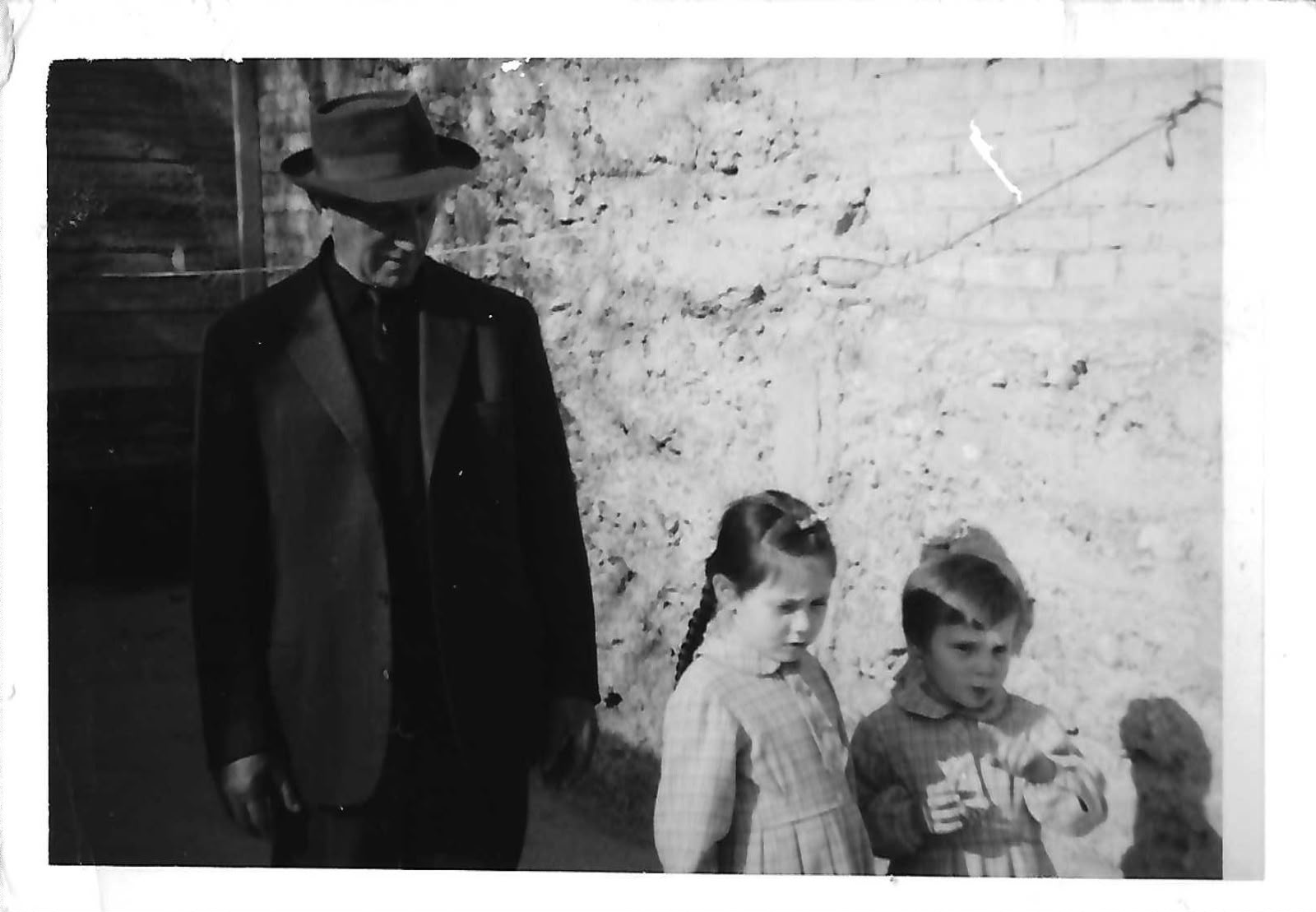
Le mie radici sammarinesi erano molto presenti nella vita quotidiana: sono cresciuta sammarinese in un altro Paese. Io, mia sorella Lucia e mio fratello John siamo cresciuti nella zona di Oakwood, a Detroit. È forse una storia comune a tanti immigrati: arrivare e vivere nei quartieri lasciati da chi c’era prima, per poi fare a nostra volta lo stesso percorso. Nella nostra zona vivevano moltissime famiglie arrivate da San Marino per lavorare. Siamo cresciuti parlando italiano e dialetto sammarinese insieme a tanti nostri amici.
Ricordo molto bene che d’estate, la domenica, la nostra famiglia e tante altre famiglie sammarinesi di Oakwood andavano a Camp Dearborn, un lago artificiale realizzato da Henry Ford, per fare picnic e nuotare. C’era tantissimo cibo sammarinese: crescioni, prosciutto, formaggio, salsiccia fatta in casa e molto altro. Nelle sere d’estate mio padre e gli altri sammarinesi, dopo il lavoro, si sedevano sui gradini davanti alle case “per veglia”. In alcune estati tornavamo anche a San Marino per trascorrere del tempo con i nonni, gli zii e i cugini.
In autunno qualche volta accompagnavo mio padre all’Eastern Market per comprare l’uva destinata al vino. Salivamo sui vagoni ferroviari, assaggiavamo l’uva e lui decideva quale comprare. Il nostro seminterrato era una vera e propria cantina, con botti, torchio e bottiglie verdi. Mio padre faceva il vino insieme ad alcuni amici e qualche volta noi figli potevamo aiutarli a pigiare l’uva. Con quello che rimaneva preparavano anche la loro versione del mistrà.
D’inverno mio padre e i suoi amici sammarinesi preparavano salsicce, salami, prosciutto e coppa di testa, che venivano appesi in cantina per la stagionatura. Quando i miei amici americani li vedevano chiedevano: “Che cos’è?”. Durante i fine settimana gli adulti giocavano spesso a Bestia o Scopa nelle rispettive case. Noi bambini correvamo e giocavamo negli scantinati fino ad addormentarci e poi venivamo portati a casa. E c’era sempre la tradizionale cena della vigilia di Natale, con tanti piatti di pesce e il brodetto.»
Ci sono tradizioni o valori che la sua famiglia le ha trasmesso e che conserva ancora oggi?
«Siamo cresciuti frequentando il San Marino Club di Troy, in Michigan, dove partecipavamo a tante feste. Mio padre ne era membro e mio fratello John continua a esserlo. Io faccio ancora parte della Women’s Auxiliary del San Marino Club, proprio come faceva mia madre.
I miei genitori, Vincenzo Felici e Graziella Sarti, attribuivano una grandissima importanza all’istruzione e ci incoraggiavano ad andare a scuola e poi all’università. Mio padre era un uomo autodidatta e leggeva moltissimo. Negli anni Settanta comprò per noi un’intera enciclopedia e, dopo cena, cercavamo insieme gli argomenti che ci interessavano e leggevamo di tantissime cose. Allora non c’era Internet. Mia madre portava sempre con sé il suo dizionario italiano-inglese mentre cercava di imparare la lingua.
L’istruzione era molto importante per i miei genitori, che avevano dovuto iniziare a lavorare prima di terminare le scuole superiori. Incoraggiarono me, mia sorella e mio fratello a studiare duramente e ad andare all’università. Ci hanno sostenuti in ogni momento.
Per quanto riguarda le tradizioni, continuo a preparare in casa tagliatelle e lasagne. Oggi i miei figli lo apprezzano, anche se ricordo bene quanto si lamentassero quando dovevano aiutarmi a tirare la pasta. Con il passare degli anni hanno capito quanto fosse importante imparare e oggi preparano da soli pasta fresca, lasagne, cappelletti, ravioli e altri piatti tradizionali.
La cena di pesce della vigilia di Natale continua a essere un appuntamento molto importante. Negli ultimi anni sono stati soprattutto i miei figli a prepararla, con un po’ di aiuto da parte mia. Apprezzano anche il caffè con il mistrà e il limoncello fatto in casa nelle occasioni speciali. Ma ciò che conta davvero per me è sapere che San Marino occupa un posto speciale anche nei loro cuori.»
Che rapporto ha oggi con San Marino? Continua a tornare e cosa rappresenta per lei?
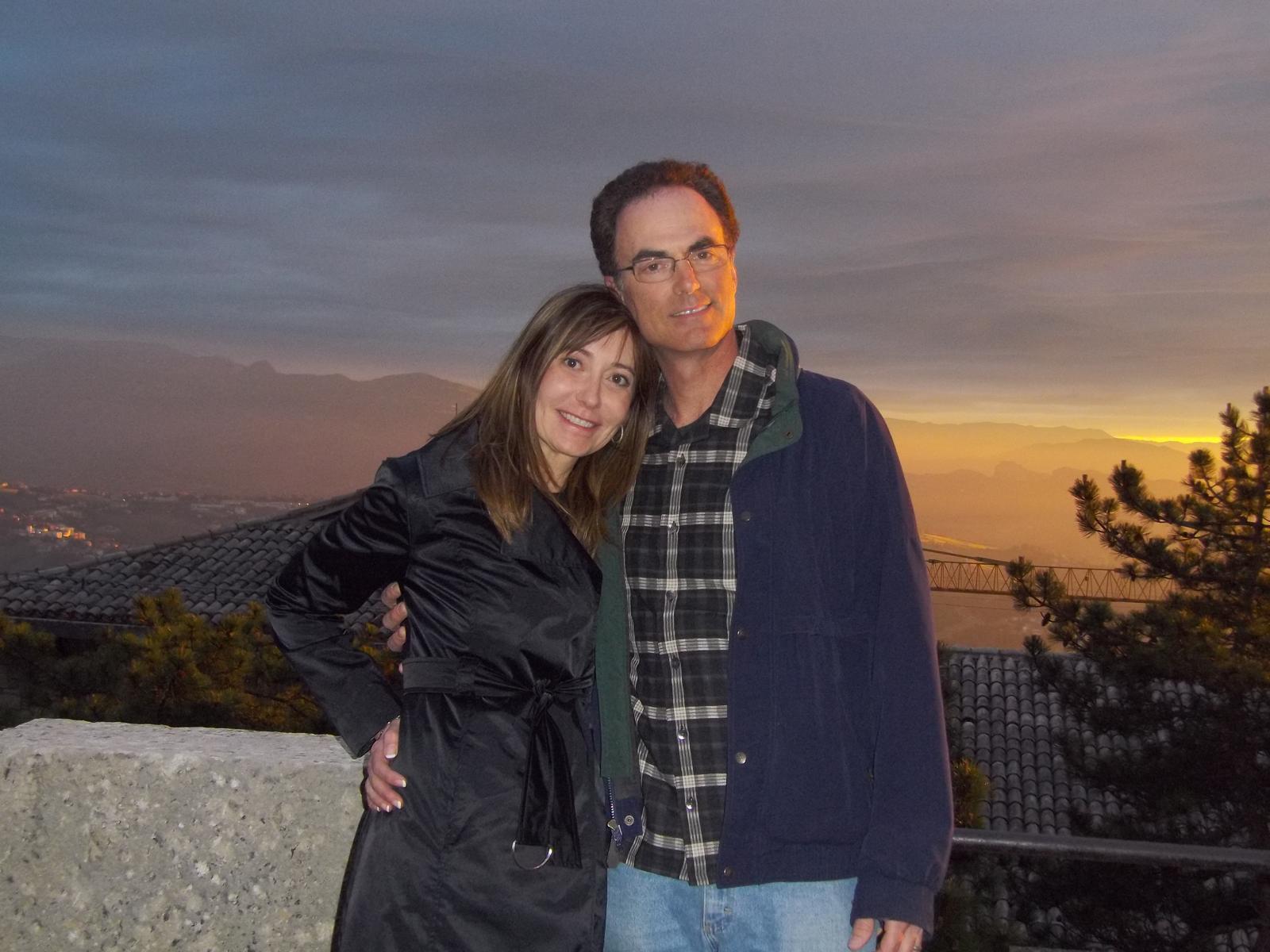
«Nonostante tutti i luoghi nei quali ho vissuto, quando ogni anno torno nella Repubblica di San Marino mi sento a casa. È qui, circondata dagli amici d’infanzia e dalla famiglia, dove posso visitare i luoghi in cui riposano generazioni dei miei antenati, che sento davvero la mia anima in pace.
Cerco di trasmettere questa preziosa eredità ai miei figli, ai nipoti e alla mia famiglia. I miei figli sono stati tante volte a San Marino durante la loro infanzia e continuano a tornarci anche da adulti. Il mio nipotino farà presto il suo primo viaggio a San Marino. I miei figli amano questo Paese e trovano il tempo per tornarci, facendo lo sforzo necessario per mantenere vivo il rapporto con le nostre radici.
Ogni anno, quando sono a San Marino, vado nella chiesa di Sant’Andrea a Serravalle, dove i miei genitori si sono sposati e dove io sono stata battezzata. Accendo una candela e recito una preghiera per ringraziare di tutto questo.
Continuare a trasmettere questa eredità, questo dono, ai miei figli e alle nuove generazioni della famiglia è molto importante per me. Sapere che anche loro fanno lo sforzo di mantenere vivo il nostro legame con San Marino è uno dei più grandi doni della mia vita.
Anche mio marito Stuart ha abbracciato completamente questa parte della nostra famiglia. Quando siamo a San Marino vive il rapporto con i miei cugini, gli zii e gli amici e ha anche studiato italiano. Sta diventando bravo. Lui ha accolto tutti loro e loro, a loro volta, hanno accolto lui.»
In che modo le sue origini sammarinesi hanno influenzato la persona che è oggi, sia sul piano personale sia professionale?
«Mi considero molto fortunata. Ho avuto l’opportunità di appartenere a due culture e di conoscere due lingue, oltre ad avere una carriera nella medicina che mi ha permesso di aiutare le persone.
Aver vissuto in luoghi diversi, ognuno con la propria bellezza, e aver avuto la possibilità di conoscere e lavorare con tante persone differenti mi ha dato una visione del mondo e della natura umana più ampia di quella che probabilmente avrei avuto altrimenti.
Essere cresciuta in una famiglia sammarinese e all’interno di una comunità sammarinese, mentre allo stesso tempo imparavo a conoscere un altro Paese, anch’esso bellissimo, mi ha insegnato alcuni principi fondamentali su come vivere una buona vita. Alla fine non importa dove ci si trovi, se si è circondati da una famiglia e da amici affettuosi, laboriosi e gentili. Questa è una bella vita.»
Se dovesse descrivere San Marino a una persona di Seattle che non ne ha mai sentito parlare, cosa direbbe?
«Lo descrivo sempre così: “La Repubblica di San Marino è la più antica Repubblica tuttora esistente al mondo. Siamo il terzo Paese più piccolo del mondo, su un unico monte, a circa venti chilometri dalla costa del mare Adriatico. Dalla cima del monte, con i suoi castelli medievali, nelle giornate limpide si possono vedere le montagne verso ovest e le acque blu dell’Adriatico verso est. C’è dell’ottimo cibo e, naturalmente, le persone più meravigliose del mondo”. Forse su quest’ultimo punto potrei essere un po’ di parte.»
Quale messaggio vorrebbe mandare ai cittadini di San Marino e alla comunità sammarinese nel mondo?
«Siamo fortunati ad essere nati in uno dei luoghi più meravigliosi del mondo. Per i miei genitori e per le altre persone della loro generazione, essere costretti a lasciare la Serenissima Repubblica per la necessità di trovare un lavoro dimostra quanto fosse difficile la vita nel periodo successivo alla Seconda guerra mondiale.
Molti hanno poi fatto ritorno, portando con sé competenze e risorse acquisite all’estero. San Marino ha potuto beneficiare anche di queste esperienze.
Credo che le innovazioni tecnologiche abbiano reso molto più semplice rimanere in contatto in ogni parte del mondo e che le future generazioni di sammarinesi potranno continuare ad avere un rapporto con San Marino, se lo vorranno.
La comunità dei sammarinesi all’estero rappresenterà una grande risorsa per San Marino ancora per molte generazioni. Spero che il Paese sappia accoglierla e valorizzarla.»
*******
Born on Mount Titano and leaving for America when she was just six months old, she built her life and a career in optometry in the United States without ever losing touch with her roots. “When I return to San Marino, I feel at home.”
From Serravalle to the United States, with San Marino always in her heart. Roberta Felici has spent most of her life in America, but her connection to Mount Titano has remained strong and is now being passed on to the younger generations of her family. In this interview, she talks about her parents’ emigration, her childhood in Detroit’s Sammarinese community, her career in optometry, and her relationship with a Republic she continues to return to every year.
Can you tell us your family’s story? When and why did you leave San Marino for the United States?
“I grew up in many places — the true life of an immigrant. I was born in Serravalle, in my grandparents’ home, in 1961. My father, Vincenzo Felici, from Chiesanuova and Dogana, had recently emigrated to New York. My mother, Graziella Sarti, from Serravalle, lived with her parents until I was born. Six months later, my mother and I set sail for New York Harbor. I still have the passport picture of my mother holding me as a baby: one passport for the two of us.
Two years later, my sister Lucia was born in Franklin Square, Long Island. My father’s parents became ill, so my mother, my sister, and I returned to San Marino to help them. My mother also became ill while we were there, so we lived with my maternal grandparents, Rosa Tamagnini and Luigi Sarti, in Serravalle for two years. I attended preschool at the convent in Serravalle.
I was five years old when we returned to the United States in 1966. My father had moved to Detroit for work. I started school there and stayed after class to learn English with the help of a tutor and another young Sammarinese immigrant. My brother John was later born in Dearborn, Michigan.
From the age of five, I grew up in Detroit alongside many other Sammarinese immigrants, although there were also people who had come from other parts of the United States and from Mexico. We lived in the shadows of the Marathon Oil refinery and the Morton Salt mines.
It was a wonderful childhood in a very close-knit neighborhood, full of friends who were also from San Marino. When we played outside, our mothers kept an eye on all the children, not just their own, and kept us in line. In the summer, after work, my father and many other Sammarinese men would sit on the front steps, talking and listening to Detroit Tigers games. In the fall, they went to Eastern Market to buy grapes for winemaking. In the winter, they made sausages and played Bestia and Scopa while we children ran around and played in the basements. In spring, the gardens were planted.
In the early 1970s, many immigrants moved from that area to the Detroit suburbs. Our family, along with about a dozen other Sammarinese families, moved to the Downriver area. Our Sammarinese fathers worked in construction: they were bricklayers, masons, cement masons, concrete finishers, and carpenters. When they were not at their regular jobs, they worked together to help build one another’s homes.
Then it was time for me to go to college. I studied at the University of Michigan and Michigan Technological University and earned my Doctorate in Optometry at Ferris State University.”
After your studies, how did your personal and professional life develop in the United States?
“I moved to Ann Arbor, Michigan, where I lived for the next twenty years. I married at the age of 23 and became the mother of three children, Webster, Adrian, and Arianna. I also became a loving aunt and a second mother to my niece Sarah after her mother, my sister Lucia, passed away from breast cancer at the age of 34.
In Ann Arbor, I worked as an eye care physician at the University of Michigan Health Services Eye Care Clinic, providing vision and medical eye exams to students, staff, and faculty, as well as athletes from the University of Michigan’s sports teams.
But the life of an immigrant continued. At the age of 40, I moved to Florida because of my husband’s work. There, I worked as a doctor in eye care clinics, providing vision exams, cataract exams, and medical eye care. I also had the opportunity to work with specialty retina and glaucoma clinics as a low vision doctor, caring for patients with reduced or lost vision.
I really enjoyed that work. I used my clinical and medical skills to help patients make the most of their remaining vision in everyday life, while also educating and counseling them and their families.
I am still moving around. My husband Stuart and I have seven children between us. Four are on the West Coast and three are on the East Coast. We will be spending time in the southeastern United States, in the Pacific Northwest — particularly Seattle and Portland — and, of course, in the Republic of San Marino. I’m still an immigrant and I’m still growing up.”
Growing up in Detroit, how present was your Sammarinese identity in your everyday life?
“When I left home for college, I suddenly found myself in an environment where I was the only Sammarinese. That was when I realized that, for the first eighteen years of my life, I had essentially been raised Sammarinese, within my family and our community. Being surrounded by American students from all over Michigan and beyond was both challenging and exciting.
My Sammarinese heritage was very present in my daily life: I grew up Sammarinese in a different country. My sister Lucia, my brother John, and I grew up in the Oakwood area of Detroit. Ours is perhaps a common immigrant story: moving into and living in neighborhoods that established residents had left, and eventually doing the same ourselves. Our area was full of families from San Marino who had come to the United States for work. We grew up speaking Italian and the Sammarinese dialect with many of our friends.
I remember very well that during the summer, on Sundays, our family and many other Sammarinese families from Oakwood would go to Camp Dearborn, a man-made lake created by Henry Ford, to picnic and swim. There was plenty of Sammarinese food: crescioni, prosciutto, cheese, homemade sausage, and much more. On summer evenings, after work, my father and the other Sammarinese men would sit on the front porch steps ‘per veglia,’ spending time together and talking. During some summers, we also returned to San Marino to spend time with our grandparents, aunts, uncles, and cousins.
In the fall, I would sometimes go with my father to Eastern Market to buy grapes for winemaking. We would climb onto the railroad cars, taste the grapes, and he would decide which ones to buy. Our basement was essentially a wine cellar, with barrels, a wine press, and green wine bottles. My father made wine together with some of his friends, and sometimes my siblings and I were allowed to help press the grapes. They would also make their own version of Mistrà from what remained after the winemaking process.
In the winter, my father and his Sammarinese friends made sausages, salami, prosciutto, and coppa di testa, which were hung in the cellar to cure. When my American friends saw them, they would ask, ‘What is that?’ On weekends, the adults often played Bestia or Scopa at one another’s homes. We children would run and play in the basements until we fell asleep and were eventually carried home. And there was always the traditional Christmas Eve dinner, with many fish dishes and brodetto.”
Were there any traditions or values that your family passed on to you and that you still preserve today?
“We grew up going to the San Marino Club in Troy, Michigan, where we attended many parties and gatherings. My father was a member, and my brother John continues to be a member today. I still belong to the Women’s Auxiliary of the San Marino Club, as my mother did.
My parents, Vincenzo Felici and Graziella Sarti, placed tremendous importance on education and encouraged us to go to school and then to university. My father was a self-educated man and very well read. In the 1970s, he bought us a set of encyclopedias, and after dinner we would look things up together as a family and read about many different subjects. There was no internet then. My mother always carried her Italian-English dictionary with her as she worked to learn English.
Education was very important to my parents, who had both needed to go to work before finishing high school. They encouraged my sister, my brother, and me to study hard and attend university. They supported us every step of the way.
As for traditions, I still make our own tagliatelle and lasagna. My children appreciate that now, although I remember them complaining when they had to help roll out the pasta. Over the years, they have come to appreciate learning how to make pasta and other dishes. Today, they make homemade pasta, lasagna, cappelletti, ravioli, and other traditional dishes themselves.
Christmas Eve fish dinner is still a very big occasion for us. In recent years, it has mainly been prepared by my children, with some help from me. They also enjoy espresso with Mistrà and homemade limoncello on special occasions. But what means the most to me is knowing that San Marino holds a special place in their hearts too.”
What kind of relationship do you have with San Marino today? Do you still visit, and what does it mean to you?
“Despite all the many places I have lived, when I am in the Republic of San Marino every year, I feel like I am at home. It is in San Marino, surrounded by childhood friends and family, where I can visit generations of my ancestors who are buried there, that my soul is truly at peace.
I try to pass this cherished legacy on to my children, grandchildren, niece, and nephews. My children have all been to San Marino many times throughout their childhood and continue to return as adults. My grandchild will soon make a first trip to San Marino. My children also love San Marino and make the time to travel there, making the effort to stay connected to our heritage and to this wonderful country.
Every year when I am in San Marino, I go to the Church of Sant’Andrea in Serravalle, where my parents were married and where I was baptized. I light a candle and say a prayer of thanks for all of this.
Continuing to pass this heritage, this gift, on to my children and the younger generations of my family is very important to me. Their efforts to maintain our connection to San Marino are one of the greatest gifts in my life.
My husband Stuart has embraced this part of our family as well. When we are in San Marino, he spends time with my cousins, aunts, and friends, and he has studied Italian. He is getting good at it. He has embraced all of them, and they, in turn, have embraced him.”
In what ways has your Sammarinese background influenced the person you are today, both personally and professionally?
“I am very fortunate. I have had the opportunity to be part of two cultures and two languages, and to have a career in medicine that allows me to help people.
Living in different places, each with its own unique beauty, and having the opportunity to live and work alongside so many different people has given me a broader view of the world and of human nature than I might otherwise have experienced.
Having been raised in a Sammarinese family and within a Sammarinese community, while at the same time learning about another country that is also beautiful, taught me some fundamental ideas about how to live a good life. In the end, it doesn’t matter where you are if you are surrounded by loving, hardworking, and kind family and friends. Questo è una bella vita — this is a beautiful life.”
If you had to describe San Marino to someone in Seattle who had never heard of it, what would you say?
“This is the way I always describe it: ‘The Republic of San Marino is the oldest continuous Republic in the world. We are the third smallest country in the world, on a single mountain, about 20 kilometers from the coast of the Adriatic Sea. From the top of the mountain, with its medieval castles, on a clear day you can see the mountains to the west and the blue waters of the Adriatic Sea to the east. There is wonderful food and, of course, the most wonderful people in the world.’ I might be slightly biased.”
What message would you like to send to the people of San Marino and to the Sammarinese community around the world?
“We are blessed to have been born in one of the most wonderful places in the world. For my parents and others of their generation, having to leave the Most Serene Republic out of the necessity to find work shows just how difficult life was after World War II.
Many eventually circled back, bringing skills and resources they had acquired abroad back to San Marino. The country has benefited from those additional resources and experiences.
I think technological innovations have made it much easier for us to stay connected around the world, and future generations of Sammarinese will always have the opportunity to maintain a connection with San Marino if they choose to.
The Sammarinese community abroad will remain a rich resource for the Republic of San Marino for many generations. I hope the country of San Marino embraces them.”