The Constitutional Affairs Commission has given the green light to a revision of the 2007 law: the body representing young people is being strengthened, the age bracket widened, and a new obligation introduced to consult young people directly. An opposition amendment was adopted without changes.
At the heart of the reform is the Youth Policy Commission, the body established to represent new generations and support the Government in decisions that affect them. Over the years, its operational limits had become apparent: scarce resources, an uncertain role, and little capacity to make a real impact.
Yesterday, the Council Commission for Constitutional Affairs approved unanimously the reform meant to get that body back on track, rewriting the reference law dating back to 2007. Ilaria Bacciocchi (PSD) will be the sole rapporteur when the bill reaches the Council.
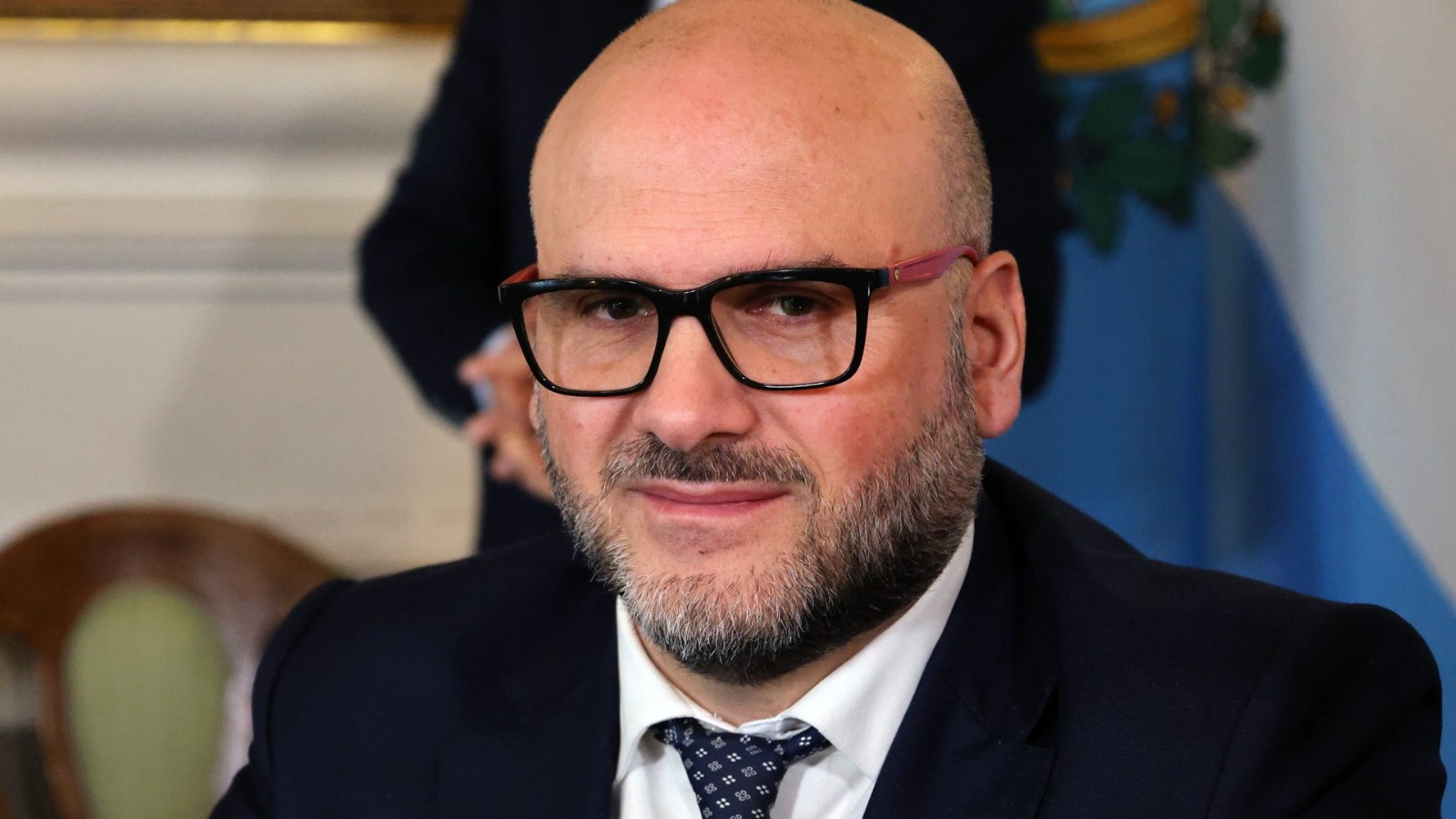
Secretary of State Teodoro Lonfernini explained that the text stems directly from dialogue with the Youth Policy Commission, with the goal of strengthening a body that «has not always been given the importance it deserves», all the more so in a period marked by demographic decline.
The age bracket widens to 35
The most significant change concerns the scope of action: the age bracket covered by youth policy now rises to 35 years old. This choice substantially broadens the pool of beneficiaries and was described by Bacciocchi as «extraordinarily fair and timely», adding that the law «must mark a genuine change of pace», backed by concrete tools and resources.
The text also introduces digital education and a two-year planning scheme, replacing the previous logic of one-off, piecemeal initiatives.
Opposition amendment adopted unchanged
Carlotta Andruccioli (Domani Motus Liberi) proposed introducing regular forms of direct consultation with young people, through public meetings, questionnaires and digital tools: placing them at the center of the political agenda, she argued, means making them protagonists of decision-making processes rather than mere recipients of policy.
The Government accepted the proposal in full. Lonfernini spoke of the «Government’s full and unreserved acceptance of the amendment», and the text passed with ten votes in favor.
With the same result, a Government amendment on youth associations was also approved, making the recognition of associations more systematic and providing for a shared headquarters. Savoretti took the opportunity to call for a broader reform of the rules governing associations; Lonfernini confirmed that the Secretariat is already working on it, cautioning however that «putting things in order is a preliminary and unavoidable step if we want to avoid bringing confused and poorly harmonized texts to the floor of the Council».
An open question: unpaid commission work
The debate raised an issue that goes beyond this particular bill. Giovanna Cecchetti (Mixed Group) asked that the minutes record an assessment of how bodies appointed by the Grand and General Council function, and of the fact that members are asked to give their time entirely free of charge.
The Equal Opportunities Commission, the Youth Policy Commission, and CSDON all rely on citizens who dedicate to the community «their free time and their energy without receiving any form of financial recognition».
Gemma Cesarini (Libera) went further, calling for an attendance allowance and for the Youth Policy Commission to be systematically consulted on all bills concerning new generations.
The vote
During the statements ahead of the vote, Maria Luisa Berti (Alleanza Riformista) sought assurances that joint management of resources between the Secretariat and the Commission would not end up curbing the latter’s operational autonomy. Lonfernini offered reassurance: the goal is to plan investments jointly, not to impose constraints.
Andruccioli confirmed the opposition’s favorable vote, calling the measure «a first and important step forward». Barbara Bollini (PDCS) expressed the support of the Christian Democratic Party, welcoming the widened age bracket and the plan for a dedicated headquarters for youth associations. For Cesarini, the text provides «a genuinely effective toolkit».
The bill now moves on to examination by the Grand and General Council.