A new model for waste collection and street cleaning in San Marino is set to gradually transform the Republic’s entire system. AASS, the state utility company, is launching a reorganisation of the urban hygiene service, choosing the historic centre as its first testing ground, where a new recycling point reserved for businesses and an electric vehicle designed to navigate the narrow alleys will soon come into operation.
The stated goal is to test new collection and cleaning methods in the heart of the city, which, depending on the results achieved, could gradually be extended to the rest of San Marino’s territory.
One of the first initiatives concerns the former fish market in Contrada Omerelli, where a new recycling point dedicated to businesses in the historic centre will be activated. The facility will be used exclusively for the disposal of paper, cardboard and plastic packaging. The aim is to eliminate commercial waste materials from the alleys during evening hours while giving businesses greater flexibility compared to the current collection schedules and courier deliveries.
The decision to limit disposal to clean waste fractions only, promoters explain, is intended to avoid problems related to odours and other hygiene issues. The recycling point will also be equipped with video surveillance and an automatic fire-suppression system, both for safety reasons and to ensure proper use.
The second innovation is the introduction of a new compact electric vehicle for collection and cleaning in the historic centre. The vehicle has been designed to operate in valuable urban settings and, thanks to its reduced size and greater manoeuvrability, will be able to reach even the narrowest streets while minimising disruption to pedestrian traffic. Its fully electric powertrain will also help reduce noise and emissions within the UNESCO World Heritage area.
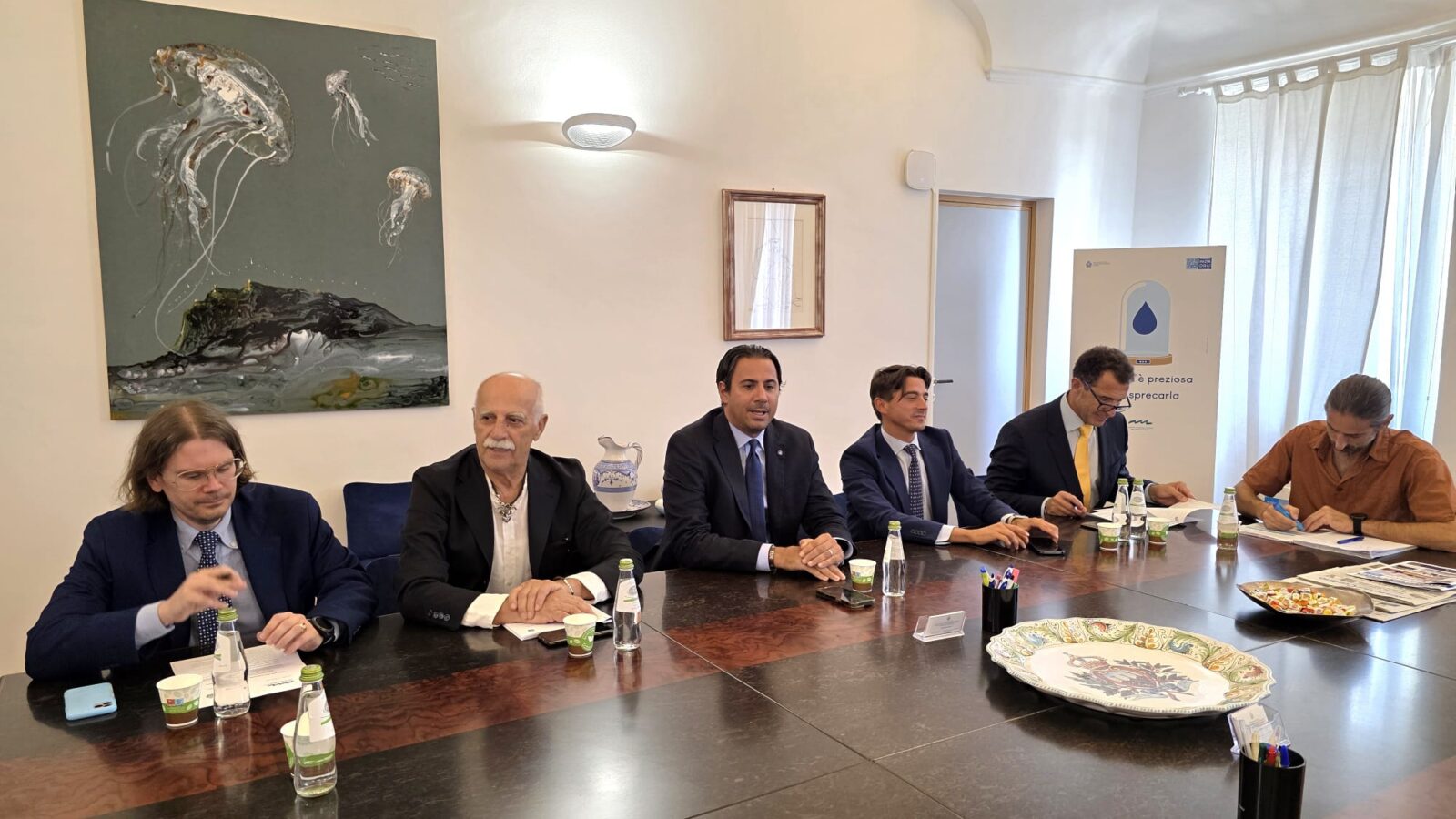
“The reorganisation of the urban hygiene service represents an investment in the quality of public services. We are starting from the historic centre because it is the heart of the Republic and the place where innovation, sustainability and heritage protection must go hand in hand. This project marks the beginning of a path that will gradually lead to a comprehensive overhaul of the urban hygiene management system,” says the Secretary of State for Labour and Relations with AASS, Alessandro Bevitori.
On the issue of urban decorum, the Secretary of State for Territory and Environment, Matteo Ciacci, adds: “The decorum of the historic centre is one of the fundamental elements of the Republic’s image. Removing packaging materials from the alleys and introducing quiet, non-polluting vehicles means improving the quality of urban space, enhancing our UNESCO heritage and offering an even more welcoming environment for residents and tourists.”
AASS describes the historic centre initiative as the first step in a much broader project. The company’s chairman, Renzo Giardi, links the reorganisation of waste collection to a wider strategy that also encompasses energy and ecological transition.
“Improving waste management is one piece of a much larger mosaic. We are looking decisively toward the country’s future. The aim remains to chart a path toward genuine strategic autonomy, where the efficiency of urban services goes hand in hand with energy independence and ecological transition,” Giardi stresses. “From next-generation collection models to investments in renewable sources, every operational choice is designed to strengthen the territory’s resilience, turning environmental challenges into levers for sustainable development for the entire San Marino community.”
AASS’s general manager, Marcello Forcellini, also makes clear that the ultimate goal goes beyond the historic centre. “These initiatives represent the starting point of a broader reorganisation of the urban hygiene service. We chose to begin in the historic centre by introducing new operational methods, new infrastructure and technologically advanced vehicles.”
“The goal,” Forcellini concludes, “is to build a more modern, efficient and sustainable model that, based on the results achieved, could gradually be extended to the Republic’s entire territory.”