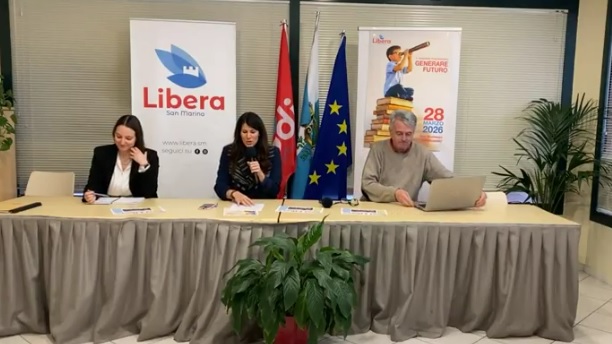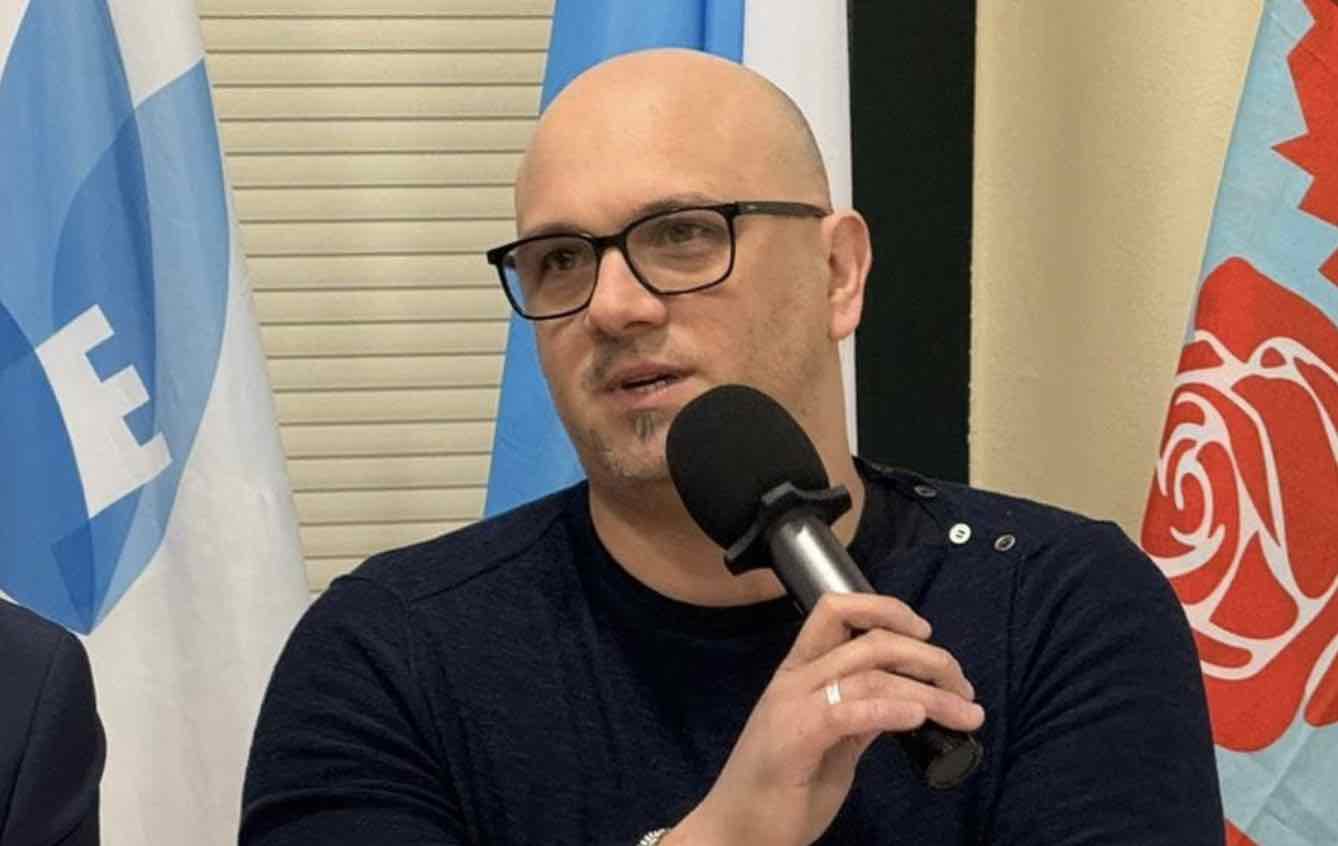
San Marino and Acea will sign a memorandum of understanding on the water sector on Monday, 23 November. The announcement comes from Libera, which in a statement responds to criticism from Repubblica Futura and provides an update on the initiatives carried out by the ruling majority, Secretary of State Alessandro Bevitori, and the State Water and Public Services Authority (Azienda Autonoma di Stato per i Servizi Pubblici). Acea’s chief executive, Fabrizio Palermo, will attend the signing ceremony in the Republic.
The agreement adds to collaborations already underway with Romagna Acque and Hera. According to Libera, the deal will give San Marino access to technical expertise and tools to monitor the network, cut losses, and prepare the water system for periods of drought.
On the infrastructure front, the party points to the expansion of the Torello reservoir, along the Marecchia river, as the first major project, which the statement says will boost usable reserves from 60,000 to more than 200,000 cubic metres. On Sammarinese territory, meanwhile, new treatment plants are planned along the Ausa stream and the San Marino stream. “These are facilities designed to return treated water for irrigation and industrial use, significantly reducing the draw on the drinking water network and providing concrete support to agriculture and businesses during the driest months,” the statement reads.
In its response to Repubblica Futura, Libera also addresses the fact that the reservoir lies beyond the border.
“Pointing out that the Torello reservoir is located on Italian territory is not a shrewd discovery, but rather practical proof of why serious institutional relations and solid operational agreements are needed — exactly what is being achieved here, without empty rhetoric.”
The party also defends the use of external operators, arguing that “a small state defends its own autonomy by integrating infrastructure on its territory with the best technical partners available.”