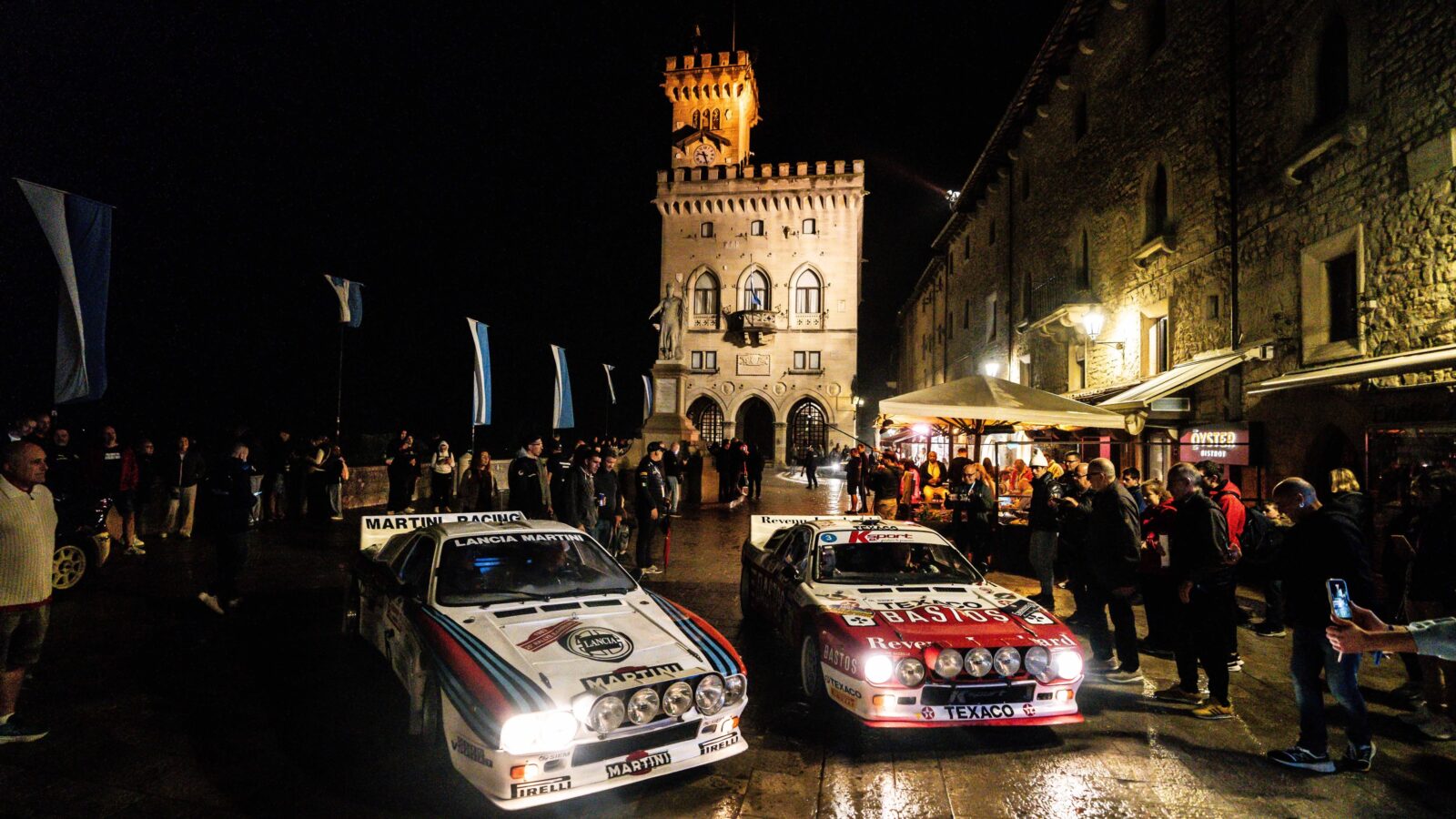
More checks on the roads, greater protection for residents and a clear account of Rallylegend’s economic benefits versus its public costs. These were the demands raised today in San Marino’s joint parliamentary committee, where the event’s safety record dominated opposition interventions. The government has announced it will hold talks with organisers and law enforcement once all the data has been gathered, with a possible report back to committee in November.
Carlotta Andruccioli (D-ML) acknowledged the event’s economic value and the organisational improvements made in recent years, but called for a clear distinction between unavoidable disruption and genuinely dangerous conduct. “The importance of an event cannot justify tolerance for behaviour that would be unacceptable at any other time.” She asked for a full breakdown of the checks carried out and for stronger protection for residents in the areas affected, including with regard to private property.
Nicola Renzi (RF) focused attention on what happens away from the special stages. San Marino, he argued, must be capable of managing complex events without allowing public roads still open to traffic to become an extension of the race itself. “The rally is run by the rally competitors, not by everyone on the Republic’s roads for those three days.”
For Antonella Mularoni (RF), what is needed is a broader assessment of overall sustainability. While recognising the progress made by organisers, she called for the economic returns to be weighed against the costs borne by the public sector. The real question, she said, is how much the event brings to the country, how much it costs to manage, and what impact it has on residents’ daily lives.
From the ruling majority, Ilaria Baciocchi (PSD) defended the restrictions adopted, noting that they had not been unanimously supported within the government itself. “The issue is not choosing between Rallylegend and safety, but managing to keep Rallylegend in San Marino while guaranteeing safety and respect for those who live here all year round.” Matteo Rossi (PSD) argued that the measures introduced had delivered real benefits, and criticised suggestions that the event might be relocated in response to the restrictions imposed by the state. He called for talks between institutions and organisers that balance safety, economic interests and protection for those living on Titano.
Interior Secretary Andrea Belluzzi presented the first figures: 136 gendarmes deployed for 1,050 hours of work, 46 administrative sanctions issued by the Civil Police, two food seizures, six vehicle registration documents withdrawn, and four foreign nationals reported and removed. He cited the two hit-and-run incidents in Fiorentino and Fiorina, drawing a clear line between these and the competition itself: “There were no incidents during the special stages and, for the first time, no special stage was suspended at this year’s Rallylegend.”
The review announced by Belluzzi will focus primarily on police presence across the territory and the critical issues that emerged this year. The secretary also acknowledged that the current decree needs revising: “We are well aware of some of its shortcomings, and we won’t hide behind excuses.” His colleague Luca Beccari said public order management had improved and pointed to the trial of new surveillance technologies for monitoring the territory, which could also be used outside major events.
Emanuele Santi (Rete) called for a comprehensive report on the event. Belluzzi indicated that November could be the moment for a return to committee, once all the data has been collected and reviewed together with operators and organisers to plan improvements for next year’s edition.