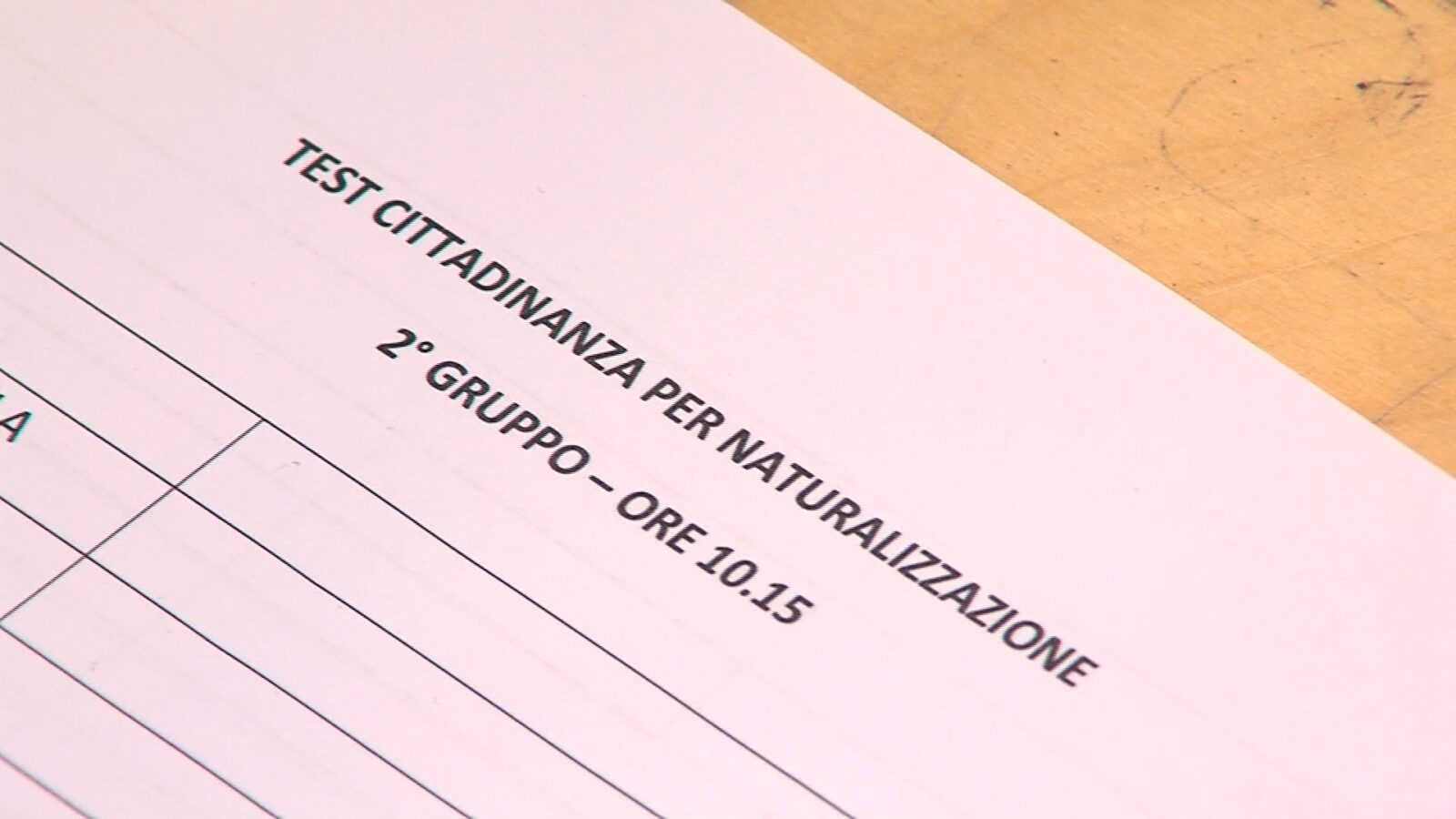
Chapter two of the citizenship exam for naturalization did not go without controversy. Leaving the test, many candidates pointed the finger at questions they deemed too difficult, touching on concepts “that not even a Sammarinese citizen would know how to answer.”
Some examples of what tripped up participants: in what year was Article 3-bis introduced into the Declaration of the Rights and Fundamental Principles, or when did oversight of the Captains Regent pass from the Council to the Collegio Garante della Costituzionalità delle Norme (the body overseeing the constitutionality of laws). The history questions, by contrast, were decidedly more manageable.
“The questions certainly weren’t very easy — if anything, we were hoping for something simpler given the April session,” said one candidate on the way out. “The slightly harder ones are those about the Grand and General Council (Consiglio Grande e Generale) and the institutions, while the easier ones are perhaps those on history. Overall, fairly mid-to-high level questions.”
The commission’s response
The chairman of the commission, Stefano Palmucci, rejects the idea that candidates were asked the impossible: “All the material is in the study guides given to the candidates.” Above all, he urges people not to view the exam as a mere exercise in rote learning.
“This is a moment tied to identity,” Palmucci explains. “Anyone wishing to pursue San Marino citizenship should rightly know the country’s history and have a broad understanding of its institutions. It’s a message about citizenship — about participatory and active citizenship.”
The late-September session was an extraordinary one, made necessary by the sheer number of applications: over 180. The next test is scheduled for November.