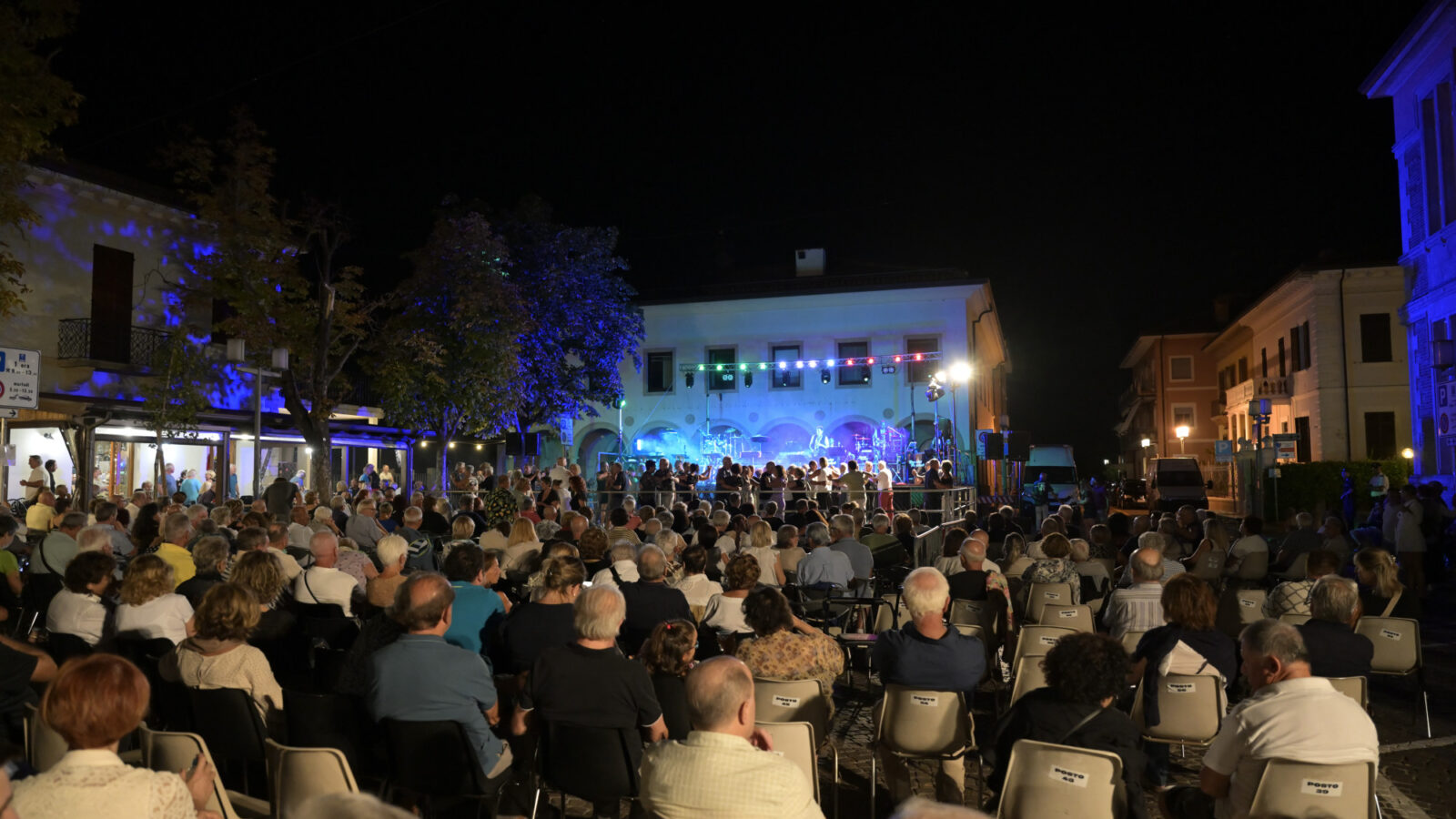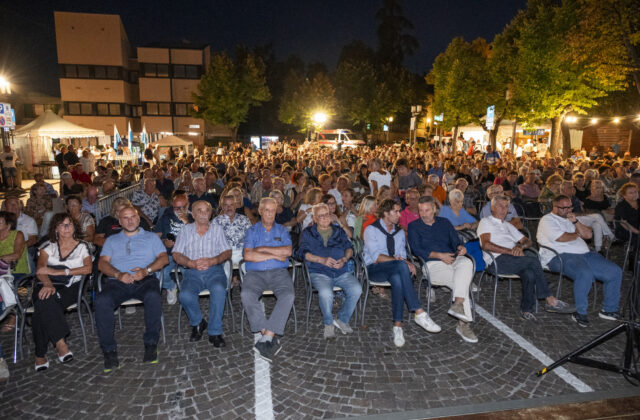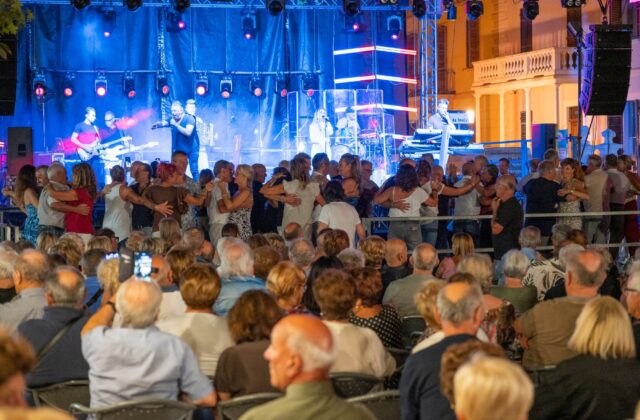
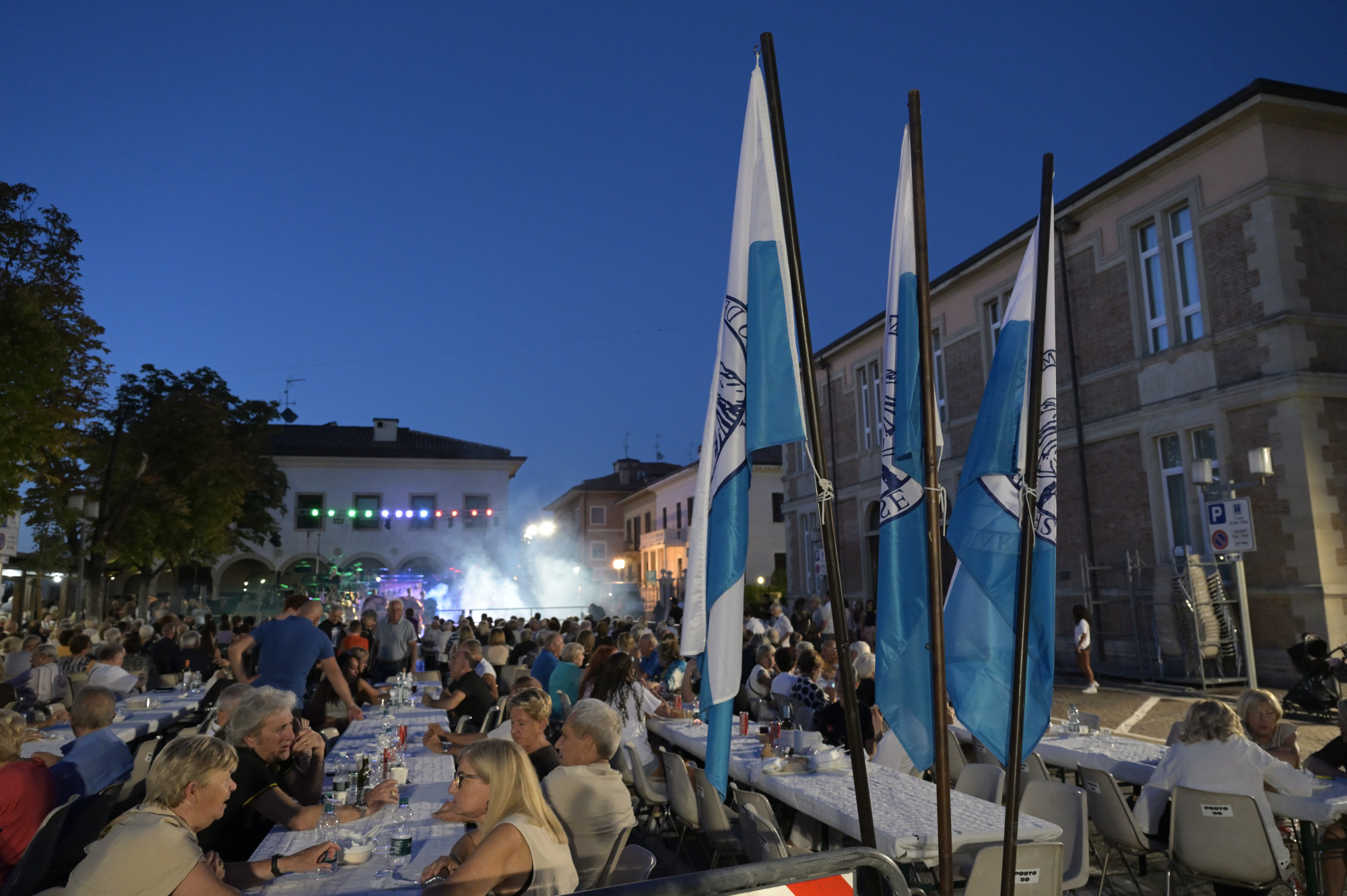
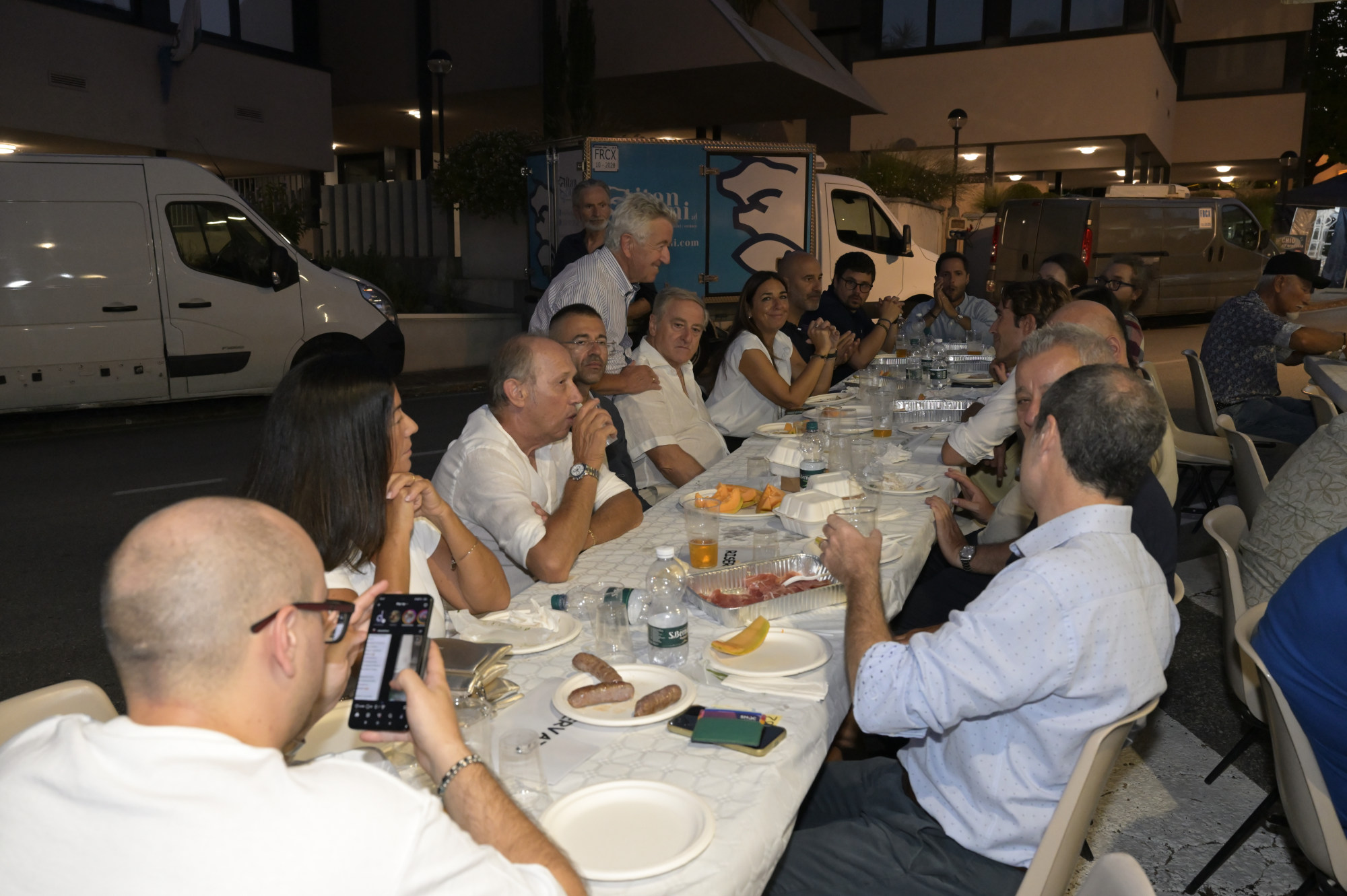
The future of the hospital, the resilience of the universal healthcare model, waiting lists, community-based medicine and the possibility of developing private practice within the ISS (Istituto per la Sicurezza Sociale, San Marino’s social security institute). These were the main themes of the healthcare debate that marked the second evening of the 53rd Festa dell’Amicizia (Friendship Festival) hosted by the PDCS, held on Saturday 22 August in Serravalle. According to organisers, the evening drew strong turnout across Piazza Bertoldi, Parco Dante Alighieri and the Terrazza Ex-Ritrovo.
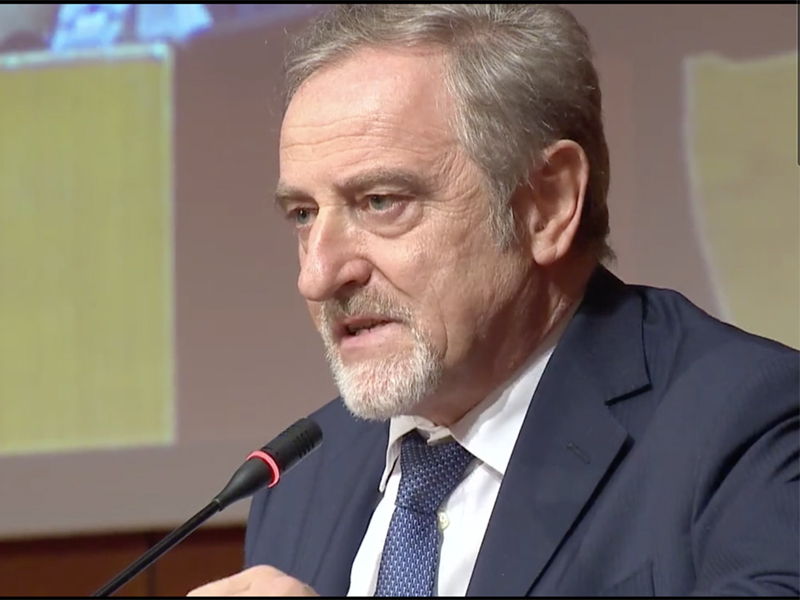
It was on the Terrazza that the panel “A stronger healthcare system for a safer community” took place, moderated by journalist David Oddone. Taking part were the Secretary of State for Health, Massimo Andrea Ugolini, PDCS group leader Manuel Ciavatta, Denise Bronzetti of AR, Fabio Righi of Domani Motus Liberi, Gian Matteo Zeppa of RETE, and the general secretaries of the CDLS and CsDL trade unions, Milena Frulli and Enzo Merlini.
At the heart of Ugolini’s remarks was a defence of San Marino’s healthcare system. “It was created to guarantee everyone access to care, and — as he recalled — it cannot be judged solely through a budgetary lens. The rise in healthcare spending, linked also to an ageing population and growing needs, should therefore be seen as an investment in the community,” the statement reads. Among the prospects outlined by the Secretary were the International Pharmacy, service accreditation, and exchanges of medical services with Italian regions.
On the future of the hospital, the path indicated is a “dual-track” approach: acting immediately on the existing structure while simultaneously planning a new one. “The current building,” he explained, “dates back to the 1970s and has structural and seismic weaknesses that make a long-term solution unavoidable.” The 2027-2029 Social and Health Plan will need to define services and system development, while a new facility, according to the outlined intentions, should allow for the use of more modern technology, encourage accreditation, and boost the ability to attract professionals.
Ugolini also emphasised community-based medicine, listing integrated home care and greater coordination among nurses, care assistants (OSS), social workers, general practitioners and hospital staff among the priorities. Waiting lists and private practice were also on the table. “When the ISS’s facilities and technologies can be put to better use,” he noted, “we need to consider solutions that keep in San Marino the treatments and resources currently being directed towards private care abroad.”
Taking a similar stance in defence of the system’s universality was Manuel Ciavatta. “The model to preserve,” he stated, “is one of public, free and universal healthcare that guarantees San Marino the widest possible range of services, turning to external providers only for highly specialised treatments. The resources allocated to healthcare are necessary, but they can be complemented by new revenue streams through accreditation, service exchanges and private practice within the hospital.”
For Ciavatta, planning the future hospital and strengthening the existing one can proceed in parallel. “Project financing,” he specified, “is an additional tool, not a decision already made on the hospital model. The goal must be to build a shared, lasting choice, preventing every change in government from reopening strategic investment decisions, while in the meantime addressing concrete issues — including waiting lists and services that can already be strengthened today.”
Denise Bronzetti, meanwhile, stressed the need to start from the new Social and Health Plan, first defining what kind of healthcare system to build and then adapting organisation and staffing accordingly. “The principle of universality must be safeguarded but modernised, with particular attention to the shortage of professionals, private practice, community medicine and a more direct relationship between doctor and patient, especially in a society marked by progressive ageing.” On the new hospital, Bronzetti linked the size and features of the future facility to the services that will be identified in the Plan.
Fabio Righi also agreed on the need to work both on the current hospital and on future planning, but asked that “political debate on the healthcare model precede final decisions on the new facility.” For Righi, the hospital must remain public and free for San Marino citizens, while still being able to develop private practice activities internally. “We need simpler procedures,” he concluded, “for paid services, stricter management oversight, and greater recognition of San Marino’s own professionals and management staff.”
The “dual-track” approach was also endorsed by CDLS general secretary Milena Frulli. “A modern facility,” she observed, “could also increase San Marino’s appeal to external patients and potential paid services, but it must stem from a clear healthcare project, not precede it.” Frulli also highlighted the importance of community care and the possibility of allowing elderly residents, when conditions permit, to remain in their own homes.
CsDL general secretary Enzo Merlini called for greater involvement of social partners in decision-making. Among the issues he raised were the decline in home visits, the growing reliance on private healthcare, and the need to plan ahead for elderly care. “On private practice,” he concluded, “no one is against it, but great caution is needed to avoid creating faster, paid-for lanes for the very same ISS patients.”
Closing out the round of speeches was Gian Matteo Zeppa, who reiterated his defence of the ISS’s universality and free access, while drawing attention to the difficulty of attracting professionals. Zeppa also called for “the debate to move beyond political bodies alone and involve social partners and outside expertise to a greater extent.” The RETE councillor also raised the issue of waiting lists, calling for an analysis of their causes before deciding which services to maintain or strengthen. “The new hospital facility,” he concluded, “must be the outcome of a healthcare vision, not the starting point.”
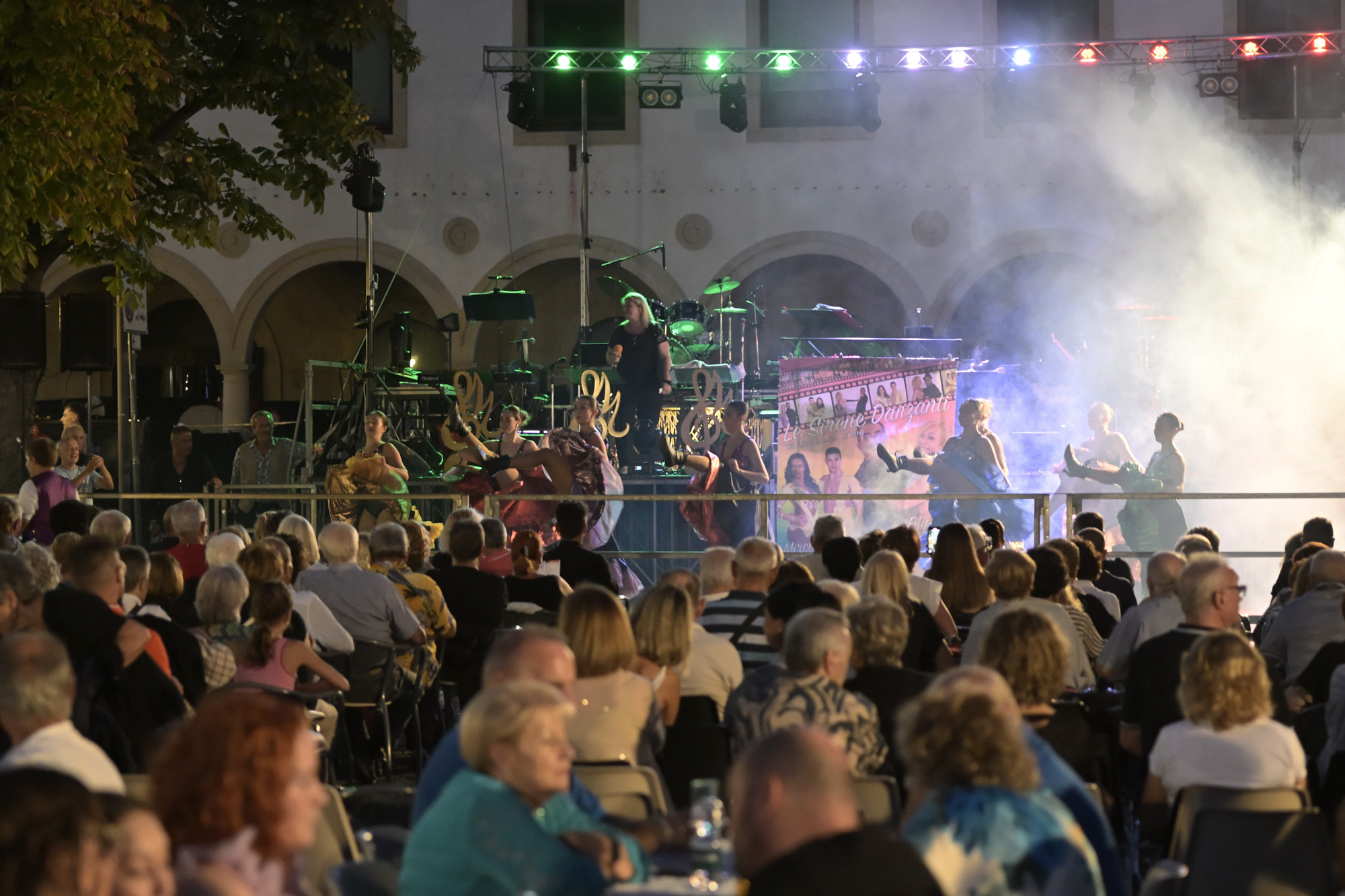
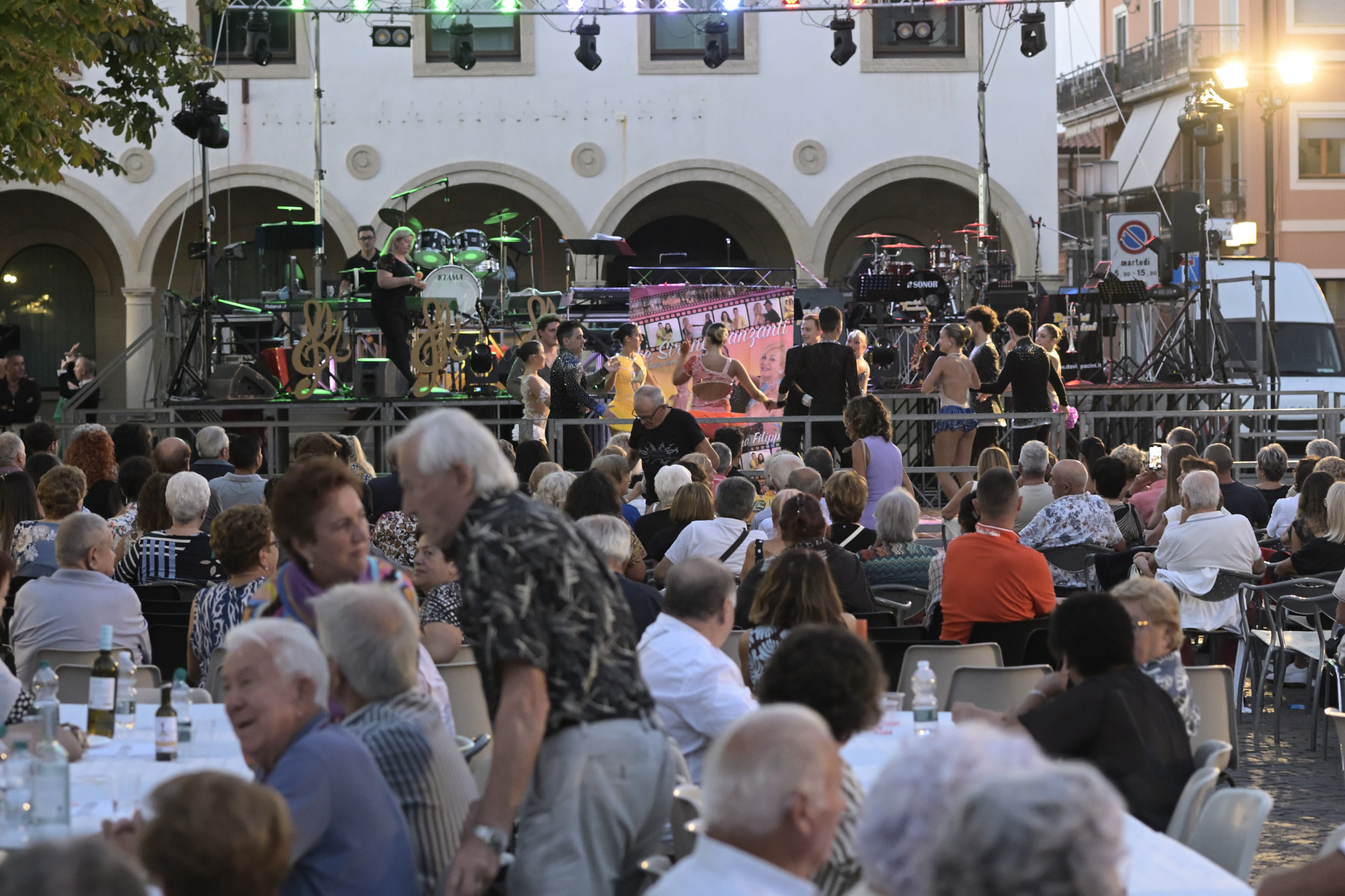
The 53rd Festa dell’Amicizia concludes on Sunday 23 August. At 8:30 pm in Piazza Bertoldi, PDCS secretary Gian Carlo Venturini will deliver the closing political address. This will be followed by performances from the Rimini Dance Company and the Omar Codazzi orchestra, while the Live Festival continues at Parco Dante Alighieri. The evening will also close with the drawing of the 2026 Friendship Lottery (Lotteria dell’Amicizia), with a first prize of 3,500 euros.