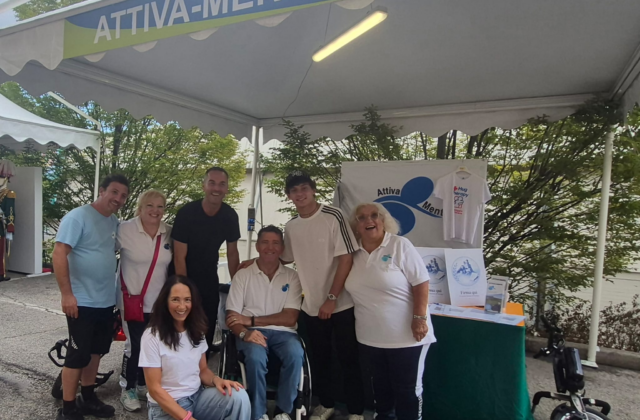
Recognition of family caregivers is a positive step, but Attiva-Mente is urging caution regarding the provisions contained in San Marino’s new law supporting families and the birth rate. The association is calling for close scrutiny of how the measures will work in everyday life and is drawing attention to the rights of the people who receive care.
“As Attiva-Mente, we prefer to remain cautious — not because we are opposed to recognising caregivers. On the contrary, we have always believed it necessary to acknowledge the value, the burden and often the sacrifice of those who provide daily care and assistance to a family member,” the statement reads. The key issue, according to the association, is that “support for family care cannot become a substitute for the rights of people with disabilities, nor for the services and responsibilities that fall to the State.”
The law sets out four caregiver profiles, based on 18, 24, 30 and 36 hours of weekly care. Attiva-Mente questions how supervision, interrupted nights, accompaniment and emergencies will be counted: “How is the time spent caring actually measured?” For the profiles exceeding 30 hours, the law also stipulates incompatibility with any form of employment, offering a subsidy and notional pension contributions instead. The association argues it is also worth asking how to prevent caregiving responsibilities from forcing someone to give up their job altogether.
Another critical point raised in the statement is the cap of 50 caregiver qualifications per year or one million euros in spending. “What happens to the fifty-first caregiver? If they meet the same requirements as the fiftieth and bear the same caregiving burden, will their recognition depend on whatever quota or funding happens to be left? In short, can a right work until the places run out?” Attiva-Mente asks.
The association also raises doubts about the possibility of later adjusting subsidies and benefits according to ISEE income brackets, about the rule allowing only one recognised caregiver per person receiving care during the same period, and about the exclusion of underage family members who are already providing care. It also calls for clarification of how this relates to professional care assistance: “The two roles are not necessarily alternatives — a person with very high care needs may require the support of both a family member and a professional carer at the same time.”
For Attiva-Mente, a central concern remains the situation of people with disabilities who have no family members able to care for them. The possibility of receiving a caregiver or family assistant funded by the ISS (the state social security institute) is left by the law to a possible future addition via delegated decree. “The starting point should be the person who needs support, not whether or not a family member is available to provide it,” the association states.
Attiva-Mente acknowledges the positive elements of the measure, from financial support and notional pension contributions to training and respite provisions. However, it insists that recognition of caregivers must go hand in hand with strengthening services and opportunities for independent living. The statement ends on a firm note: “Caregivers must be supported by the welfare system. They cannot become the welfare system.”