Resignation for just cause with immediate effect, access to support benefits, and fully paid leave for up to one hundred working days. These are some of the measures contained in the bill on the prevention and combating of violence and harassment in the workplace, whose parliamentary process begins on Wednesday, November 25, coinciding with the International Day for the Elimination of Violence against Women.
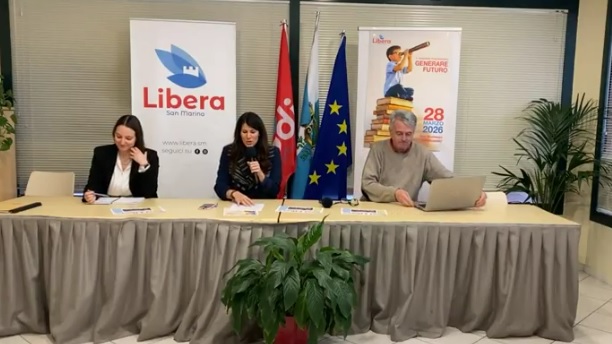
Weighing in on the matter is Libera, which points out that the bill, presented by the Secretariat of State for Labour, implements Convention No. 190 of the International Labour Organization, ratified by the Republic in 2022.
“Anyone who deals daily with cases of violence and harassment knows well how difficult it is to break free from an abusive situation when economic independence is lacking. The coercion often plays out right there, in the fear of losing one’s salary or ending up professionally isolated. The text presented by the Secretariat of State for Labour addresses exactly this issue,” Libera explains.
The bill introduces the possibility, for those who suffer violence or harassment, of resigning for just cause with immediate effect and without any notice period, guaranteeing confidentiality through the Labour Office and ensuring direct access to support benefits.
In addition, there is fully paid leave for up to one hundred working days, which can also be taken in separate instalments over a period of three years, with social security coverage included. This protection applies to both employees and self-employed workers enrolled in protection programs certified by the Social Security Institute.
“No woman should ever be faced with the absurd choice between her own dignity, her safety, and her ability to support herself. Breaking this link means offering a real way out, protecting the privacy of the person during a moment of extreme vulnerability,” Libera continues.
Alongside measures for economic support and victim protection, the party also draws attention to the need to invest in the prevention and assessment of psychosocial risks in the workplace, through an approach that involves institutions, schools, and citizens alike.
“This is not just about punishing or repairing harm, but about building a different culture in the workplace, strengthening prevention and the assessment of psychosocial risks. Because the fight against violence cannot be confined to the boundaries of November 25 alone — it must rest on the everyday upholding of rights and on politics’ ability to leave no one behind,” Libera concludes.