Four sittings of the Grand and General Council (Consiglio Grande e Generale), four consecutive postponements.
The bill on preventing and combating violence and harassment in the workplace continues to go undiscussed by San Marino’s parliament, despite repeatedly being placed on the agenda. The situation has drawn a sharp response from the Secretariat of State for Labour, led by Alessandro Bevitori, which has expressed deep regret and called for a review of how council business is scheduled.
The measure represents the first comprehensive piece of legislation in the Republic of San Marino implementing ILO Convention No. 190, ratified in March 2022, on the prevention and elimination of violence and harassment in the world of work.
According to the Secretariat of State, the latest delay highlights structural problems in how the parliamentary assembly manages its agenda.
The statement refers to “a situation of evident concern, which exposes the structural limits in the scheduling of council business,” noting that the bill continues to suffer “procedural setbacks that sit uneasily with the social and ethical urgency of the issue at hand.”
The bill is the result of a shared process launched in March 2024 within the Technical Table of the National Multi-Year Plan, which approved the text on 29 May 2026. The proposal introduces a series of measures to protect people who experience violence and harassment in the workplace.
Among its main innovations are an expanded definition of harassment to include digital forms of violence, recognition of just cause for resignation for victims — with specific guarantees of confidentiality and access to social safety nets — and the possibility of taking paid leave of up to 100 working days to follow protected support programmes certified by the Social Security Institute (Istituto per la Sicurezza Sociale).
These are measures that, the Secretariat stresses, are eagerly awaited by trade unions, employers’ associations and the public alike.
What has drawn the sharpest criticism is the repeated postponement itself, with the bill placed on the council calendar four times in a row without ever reaching debate. According to the Secretariat, this calls for a rethink of the effectiveness of council procedure and the organisation of parliamentary business.
“The repeated exclusion from the agenda — this is the fourth stoppage in a row! The fourth Council sitting in which the bill is listed and then postponed! — demands a thorough reflection on the effectiveness of the current council regulations and on how Chamber time is managed.
The pattern whereby measures of major social importance are sacrificed is neither understandable nor any longer tolerable,” the statement reads.
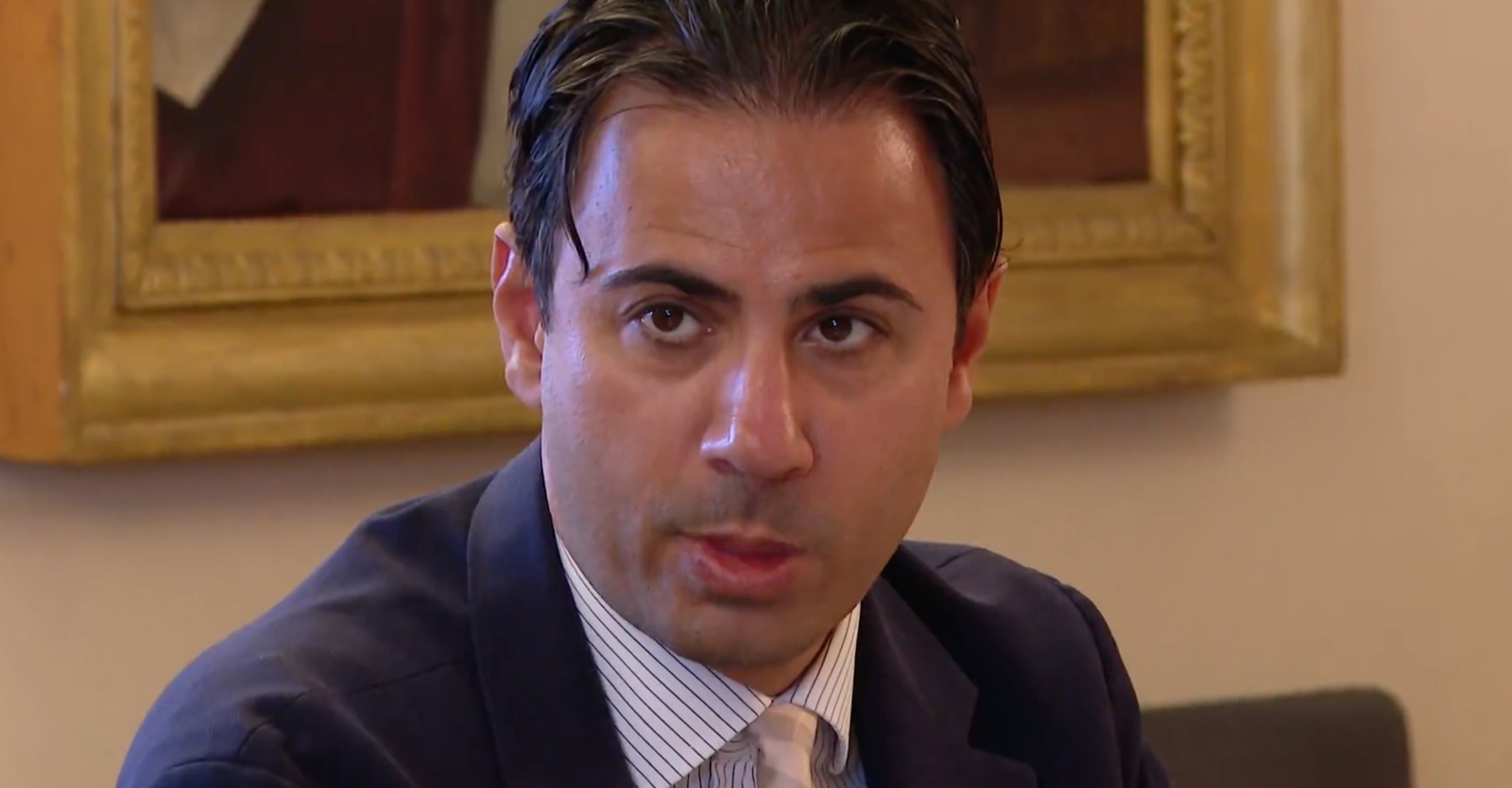
Secretary of State Alessandro Bevitori has intervened directly on the matter, calling for a turning point as early as the next sitting of the Grand and General Council.
“It is a matter of great regret to see a law of such civic and fundamental protective value for our Republic remain trapped in the mesh of a council schedule that ends up penalising people’s rights and dignity,” Bevitori stated.
“Working women and men, along with trade union organisations, are waiting for answers that can no longer be put off.
Violence and harassment in the workplace are not variables to be squeezed in according to the Chamber’s mere scheduling convenience: they represent a priority and an unavoidable commitment stemming directly from the international agreements San Marino has signed.
We expect that, at the next sitting, the Council will give this legislation, which defends the individual, the space and absolute priority it deserves.”
The Secretariat of State has therefore reaffirmed its determination to see the legislative process through, calling on political forces to ensure the bill is treated as a priority and to avoid any further delays. The stated goal is to bring the law to debate at the next council session, putting an end to a deadlock that has now dragged on for four consecutive sittings.