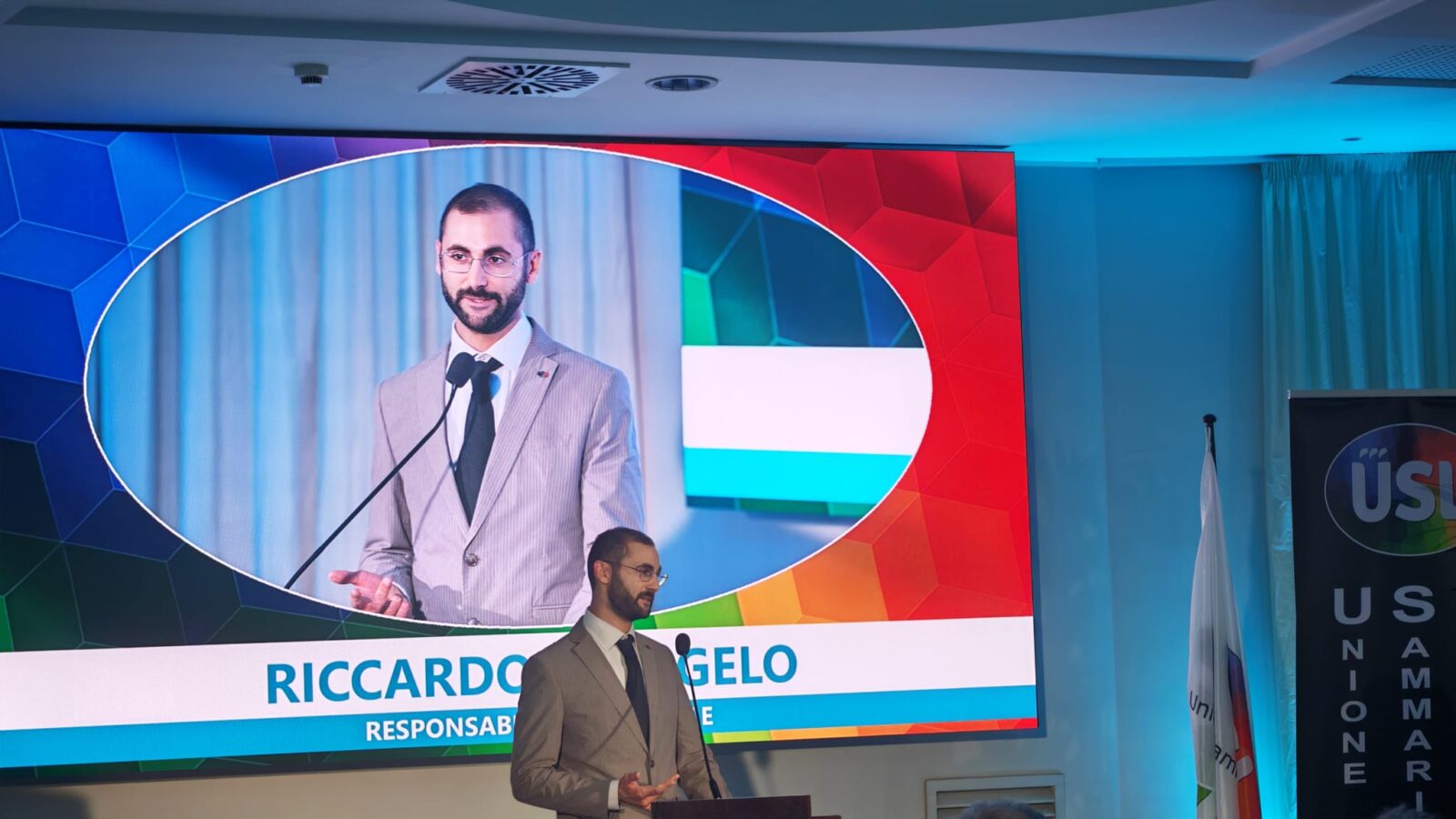
This afternoon the tax area of the union presented its working method to the hall: rather than waiting for people to come forward, it actively seeks out those entitled to a benefit.
The department head, Riccardo D’Angelo, explained why, even in the age of artificial intelligence, the person behind the counter still makes the difference. He also announced that USL’s services will soon include the new ICEE, the Equity Economic Condition Indicator, which enters its trial phase on October 1.
The method.
This is the department that handles tax returns, welfare procedures and social benefits for both residents and cross-border workers, and it has chosen not to limit itself to the cases that come through the door: it actively seeks out those who may be entitled to a tax advantage.
This, D’Angelo said, is the true value of standing on people’s side. To illustrate the point, he recounted a case. The software told a taxpayer that a tax relief did not apply to him. Rather than stopping there, D’Angelo contacted the programmers — and it turned out the error was in the software.
Artificial intelligence.
Then another anecdote. During a couple of consultations, someone told him not to trust his advice because artificial intelligence said otherwise. «One person later apologized and followed my guidance; the other I never saw again».
Technology, software and artificial intelligence, he concluded, «are powerful tools, and in the future they will become even more so — but the caseworker can and must make the difference».
One year ago, open doors.
The congress opened exactly one year after the first public demonstration against the IGR reform, which, as originally proposed, would according to D’Angelo «have introduced inequalities». The strike, he said, «was not, in my view, a political choice, but an act of protection».
During the months of the reform, USL kept its offices open, with the help of the federations, because thousands of people needed «reassurance, explanations and information».
From October 1, the new ICEE. With the Minister of the Interior, Andrea Belluzzi, in the audience, D’Angelo announced that USL’s services will also include the new Equity Economic Condition Indicator (ICEE).
The trial phase begins on October 1 and will last one year. Applications for certain benefits, starting with the right to education, will need to be accompanied by the Income and Asset Declaration, while the system gathers data to calibrate itself before full implementation. The tax area, he promised, will be committed «to studying and, above all, to explaining the new law to people in simple terms».
The union’s front door.
It is often said, he recalled, that tax and welfare services are the best way to recruit members.
But there’s more to it: «for many people, the tax area is their first point of contact with the union, and sometimes the only one», since fortunately not everyone has work-related problems. Behind it stands a team that has grown over the years and admits it almost never stops.
Even amid the health and family issues that affect everyone, «assistance and service to the public have never been lacking».
The balloons. At the start of his address, D’Angelo had thrown balloons into the audience, revealing only at the end what they represented: the issues that members and users bring to the counter every single day.
«It is up to us not to let them drop, but to receive them, handle them and give them back», repaying the trust that people have chosen to place in the union.
Because, he concluded, the tax area is a simple thing: «it combines expertise and care».