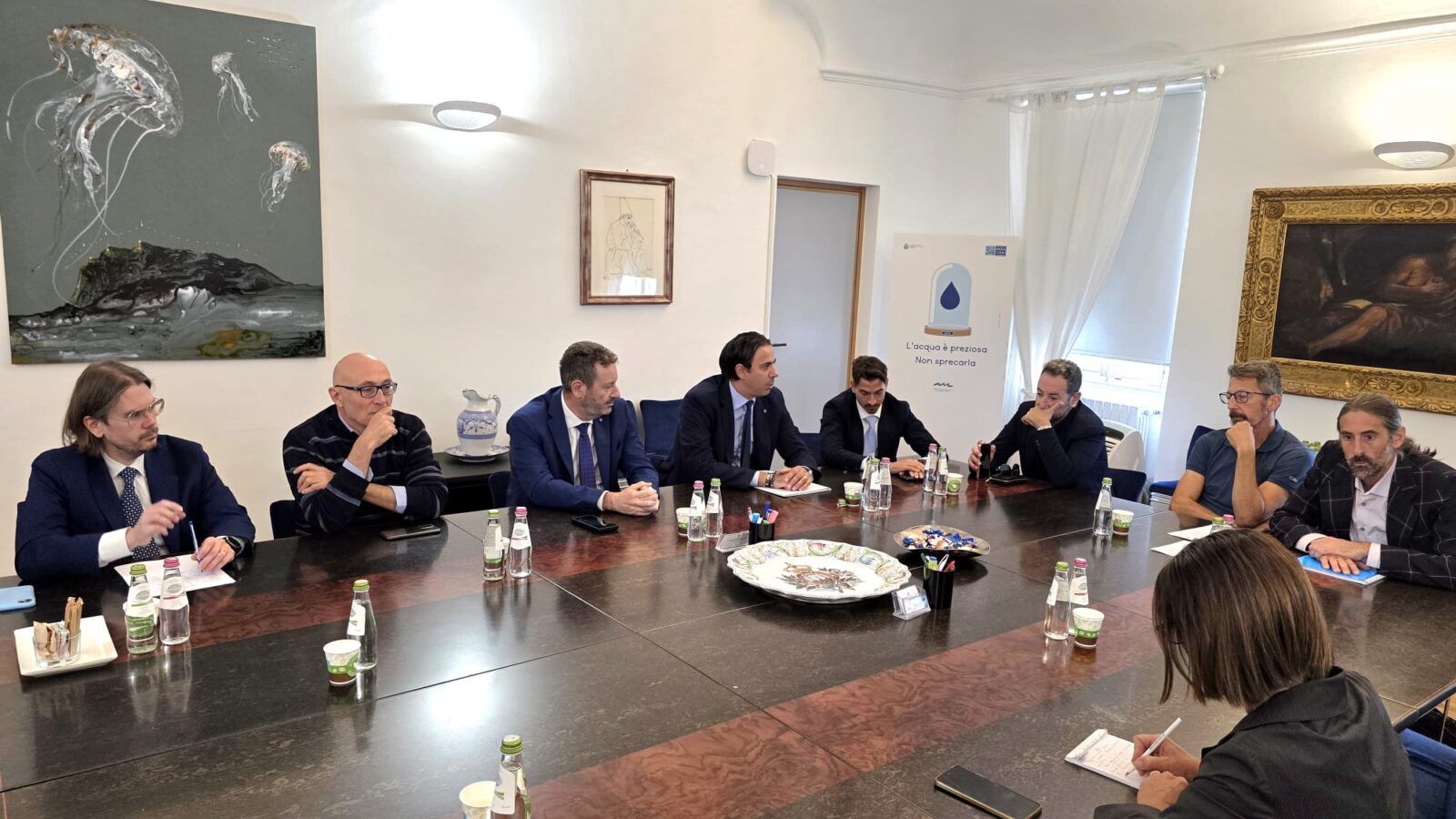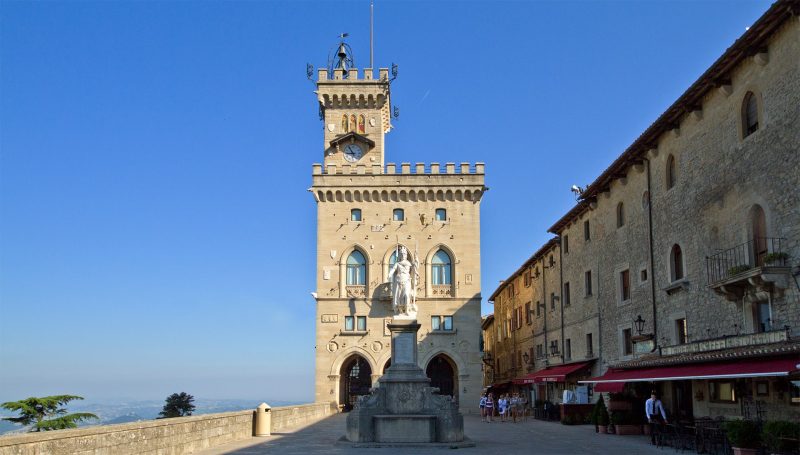
Smuvi will remain free of charge until 31 March 2027. The extension was announced this morning at Palazzo Mercuri during a press conference held by the State Secretariats for Labour and for Finance together with the State-owned Public Services Company (AASS). In its first six months, the on-demand transport service recorded more than 23,600 passengers, with weekly usage stabilizing at over a thousand users, according to the data presented.
The most-used routes connect the historic centre — particularly Stradone and the P9 car park — with the State Hospital, the shopping areas of Serravalle, and residential districts in the other municipalities (Castelli). Borgo Maggiore and Montegiardino were also cited by AASS among the key hubs. On scheduled runs, the average deviation from the agreed timetable is around one minute.
“We have shown that public transport in San Marino works and represents essential social infrastructure,” said Secretary of State Alessandro Bevitori. “Confirming free access for another six months is a deliberate political choice to guide citizens toward a smarter, more sustainable way of getting around. We are not resting on this early success: we intend to refine the software, strengthen customer support, and encourage wider adoption of public transport through targeted communication campaigns showing how the on-demand bus solves the parking headache and makes life easier for families and workers alike.”
With the start of the school year, services have been readjusted to the winter school timetable used last year, concentrating vehicles during peak demand periods. By the end of March, the stated goal is to introduce a single, year-round timetable, doing away with the current distinction between summer, winter and holiday schedules.
The extension will also be used to define the fares to be applied once the free trial period ends. “Financial sustainability must go hand in hand with quality of service,” said Secretary of State Marco Gatti. “During this extended testing phase, we are working with AASS to define the fairest fare structures ahead of the future rollout of the payment system. We are drawing inspiration from metropolitan transport models, looking at integrated solutions designed to reward commuters — including students, workers and the elderly — with discounted passes. Getting around must remain affordable, while also helping to reduce private traffic congestion.”
According to Raoul Chiaruzzi, Director of the Department of Labour and Cooperation and the driving force behind the service, “citizens’ mobility habits have changed, and it’s essential that the service evolves accordingly. We need to effectively integrate the traditional fixed routes, ensuring adequate frequency where demand is highest, while also finding solutions that guarantee proper coverage in more peripheral areas. Our goal must be to provide every citizen with modern, efficient and genuinely accessible public transport.”
On the operational side, improvements are planned for the app- and phone-based booking platforms. Line 7, which connects the City of San Marino to Rovereta via the Hospital, will be expanded to include Sunday services. Two nine-seat vehicles have also been purchased to extend the service’s coverage.
“The final figures confirm a strong response from users and give us valuable insight for fine-tuning our routes,” concluded AASS director Marcello Forcellini. “We are working to implement dynamic software solutions and make customer service ever more responsive. Our aim is to guarantee a flawless travel experience, one that combines reliable timing with maximum route flexibility — establishing public transport as a natural and advantageous choice for the whole Republic.”