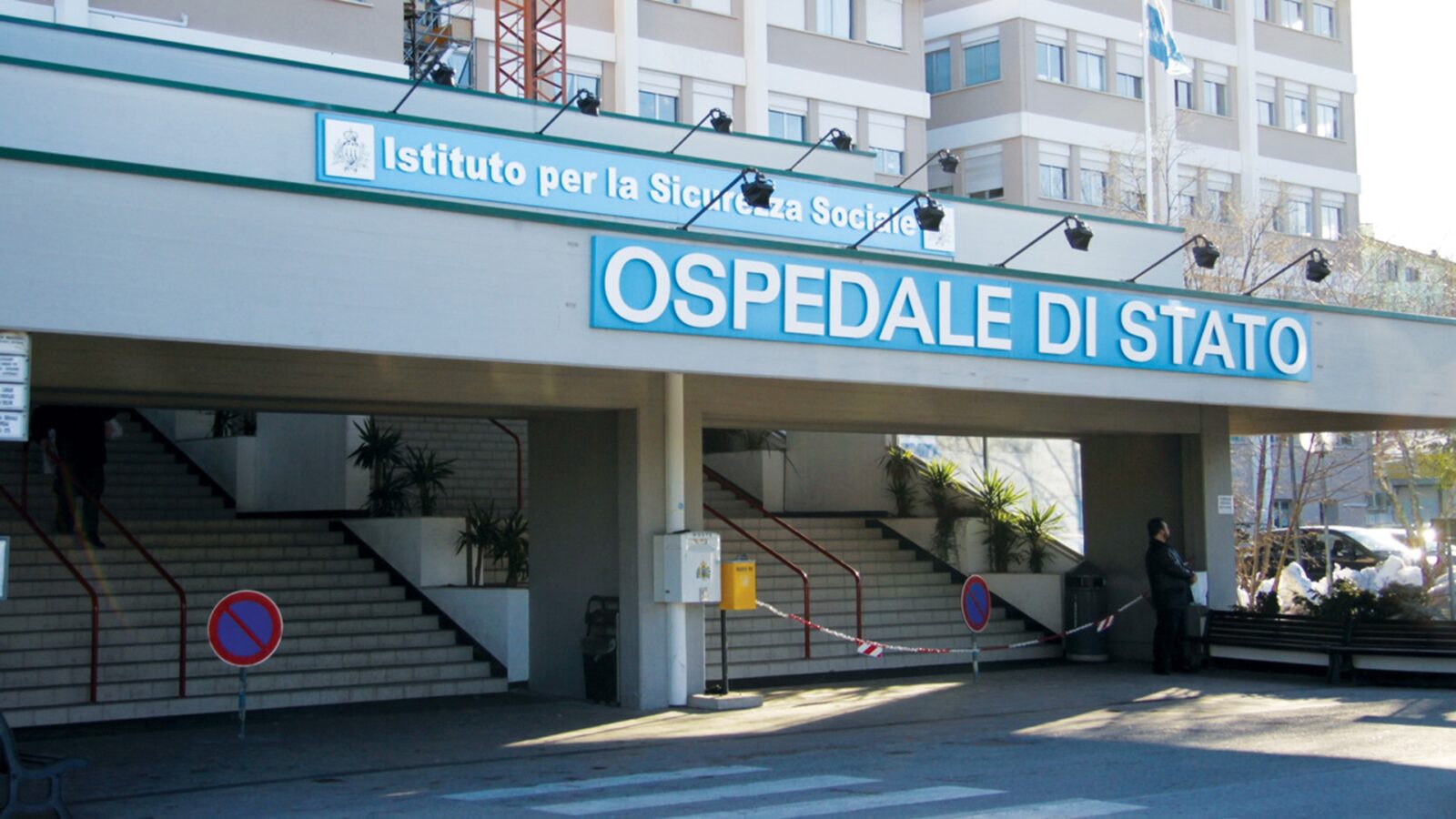
This is the most concrete figure to emerge from the hearing of the ISS (Istituto per la Sicurezza Sociale, San Marino’s social security institute) Executive Committee before Council Committee IV: of the 47 types of service for which the Institute is required to publish waiting times, 30 fall within standard limits and 17 exceed them. Ten concern specialist visits, seven diagnostic services. To bring these back within range, according to the Director of Health and Social-Health Activities Alessandro Bertolini, additional appointments have already been introduced in gastroenterology, radiology and orthopaedics, with other departments ready to follow suit: “If we increase the number of available slots, we bring down the waiting lists.”
The Secretary of State for Health and Social Security, Social Affairs and Equal Opportunities, Massimo Andrea Ugolini, framed the work within the broader effort to build a system “increasingly centred on the person, on their needs and requirements,” listing prevention, shorter waiting times, digitalisation, community medicine and simplified access to services among the priorities. Currently underway are the modernisation of the ISS portal, the development of the Electronic Health Record (Fascicolo Sanitario Elettronico) and the SM Salute app, the introduction of electronic signatures, and greater centralisation of bookings through the CUP (single booking centre).
The reports from senior officials also brought several dates to light. On 1 October, home paediatric visits will begin for vulnerable patients aged zero to fourteen. On 6 October, the relaunch of the Women’s Health (Salute Donna) programme will be presented, followed on 23 November by the launch of the lung cancer screening programme. In ENT (Otorhinolaryngology), three full-time specialists and one part-time specialist have helped reduce waiting times to around four days and ended the need for external consultations with Rimini. Proactive care by general practitioners reportedly led, by the end of August, to a 53% increase in home visits compared with the previous year.
Director General Claudio Vagnini devoted the central part of his report to prevention, from the Cardio 40 programme to colorectal cancer screening now brought forward to age 45, and free screening for hepatitis C — while acknowledging that this remains an area where “much less is being done than should be.” Among the projects presented was “Towards proximity care” (“Verso le cure di prossimità”), involving family and community nurses, home care and telemedicine, as well as a review of drug therapies for the elderly: according to figures shared with the Committee, medication review and deprescribing produced a reduction of more than 50% in thirty-day hospital readmissions during the pilot project.
On the management side, Administrative Director Manuel Canti pointed to a reduction in the use of individual resolutions in favour of stable regulatory frameworks, savings of around 150,000 euros already achieved on contracts previously outsourced, and a new system for evaluating doctors that ties half of their assessment to budget targets and half to the quality of care provided. Regarding private practice within the public system, the first organisational trial is expected to involve ophthalmology.
Councillors’ questions brought the discussion back to more political issues. Emanuele Santi of Rete asked “what happened” to the plan for a new hospital in light of ongoing investment in the existing facility, and whether the shift of mammography screening from an annual to a biennial basis was driven by financial motives, expressing hope that “the direction taken isn’t one of cutting services.” Matteo Casali of Repubblica Futura returned to the same issue, asking for clarification on whether the change reflected alignment with clinical guidelines or a reduction of a more cautious standard for budgetary reasons. Citing cases of elderly patients left waiting seven or eight hours in the Emergency Room before being placed, Casali urged officials “never to confuse plans, ongoing projects and aspirations with the reality citizens face today.”
Gaetano Troina of Domani Motus Liberi asked whether the ISS data confirmed overcrowding in the Emergency Room, requested that the Executive Committee’s written reports be formally entered into the record, and raised the issue of outsourcing kitchen services and the organisation of the canteen. The debate continued into the afternoon, with responses from the Institute’s senior leadership.