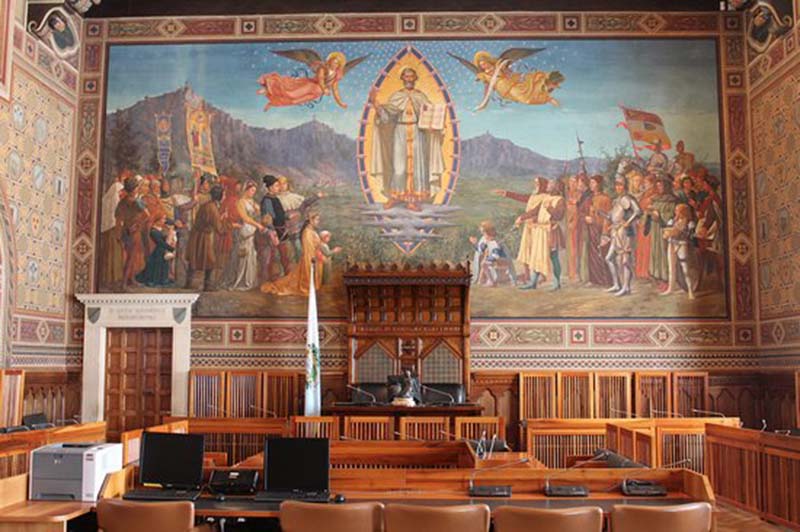
The long September session of the Grand and General Council (Consiglio Grande e Generale) came to a close on the morning of Wednesday, 23 September. The final item on the agenda was the ratification of delegated decree no. 115 of 2026 on the entry and residence of foreigners in San Marino. Discussion began with technical corrections to the text, but quickly turned to the underlying political question: what type of entrepreneurs does the Republic want to attract, and how does it intend to monitor the commitments made by those who obtain residency?
The government’s first amendment concerned holders of atypical residency and the substitute tax on foreign-source income. The rate remains at 7% of “net border income,” with a minimum of 10,000 and a maximum of 100,000 euros per tax year. The amendment clarifies that the tax is due even when such income is not taxable in San Marino under double-taxation treaties. Antonella Mularoni (RF) objected to the timing of the correction, arguing that such a delicate tax clarification should not surface only at the ratification stage. She asked the government to involve all relevant offices before issuing decrees in future. The amendment passed.
The debate grew heated over Article 2-bis, added by the government to rewrite the rules on residency granted for economic reasons. Iro Belluzzi (Libera) proposed updating, more broadly, the sums required of investors, and asked that the employment requirement refer to staff “residing in San Marino” rather than solely to San Marino citizens. Luca Della Balda (Libera) backed the change, arguing that it removes constraints from the old rules that can create problems even for companies already operating in the country — such as the obligation to hire a second employee within three years.
The opposition called for a broader intervention. Mularoni pressed for a comprehensive overhaul of residency permits and stay permits, particularly in light of the association agreement with the European Union, and pointed to two technical references that need correcting. Matteo Zeppa (Rete) supported the decree but stressed the complexity of the rules currently in force, calling for clear criteria to verify whether entrepreneurs are honouring their commitments. Nicola Renzi (RF) criticised the choice to amend only part of the framework while a wider reform is being announced, arguing that lawmakers should first check what has actually happened with economic residencies already granted.
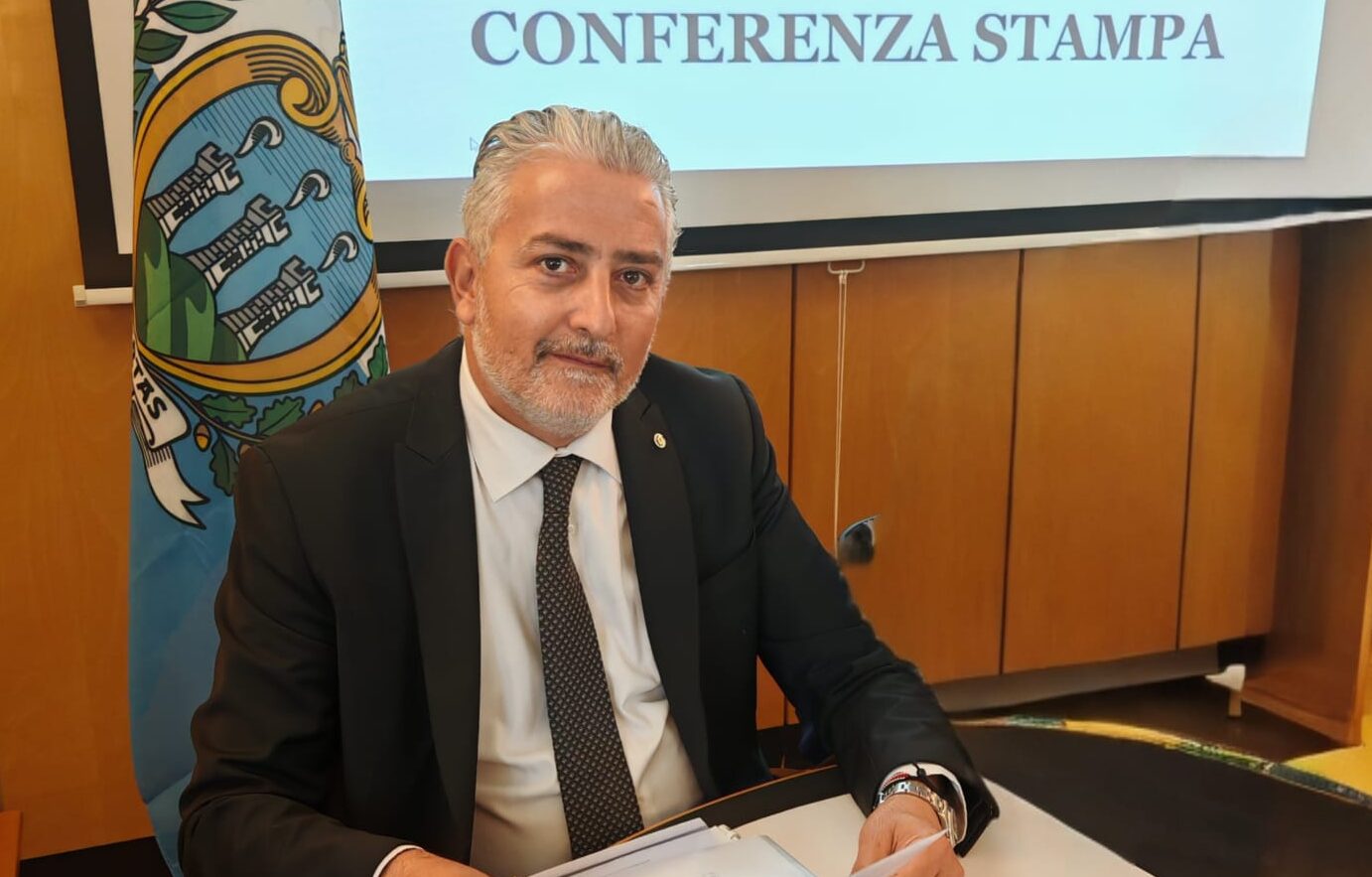
Fabio Righi (D-ML) shifted the discussion toward economic policy: “What goal are we pursuing — more residents, or attracting qualified entrepreneurs?” Lowering the employment requirement, he said, might make sense, but it remains unclear which investments, revenue levels and sectors San Marino wants to prioritise. Secretary of State Rossano Fabbri explained that the measure is meant to fix “certain distortions caused partly by the accumulation of laws over time.” A broader discussion, he added, will come when the Council takes up the residency annex and the transposition of the agreements. Fabbri accepted Belluzzi’s proposal along with the technical corrections flagged by Mularoni. After a brief suspension to redraft the text, Article 2-bis was approved.
An amendment from Rete also passed, requiring the State Congress to send the Council’s Foreign Affairs Committee, by 31 January and 31 July each year, a report on the types of residency provided for under the decree. Zeppa explained that the committee needs to be informed even about economic residencies granted through channels that bypass its review, so it can track the commitments made and check whether they are being honoured. Fabbri gave his approval, noting that the law already requires a quarterly report on economic residencies granted and revoked — but that in practice, this report never arrives.
The Council finally approved one last government amendment to Article 3, repealing two paragraphs of delegated decree no. 5 of 2016. With the vote on the amendments concluded, the Council ratified the decree and brought the session to a close.