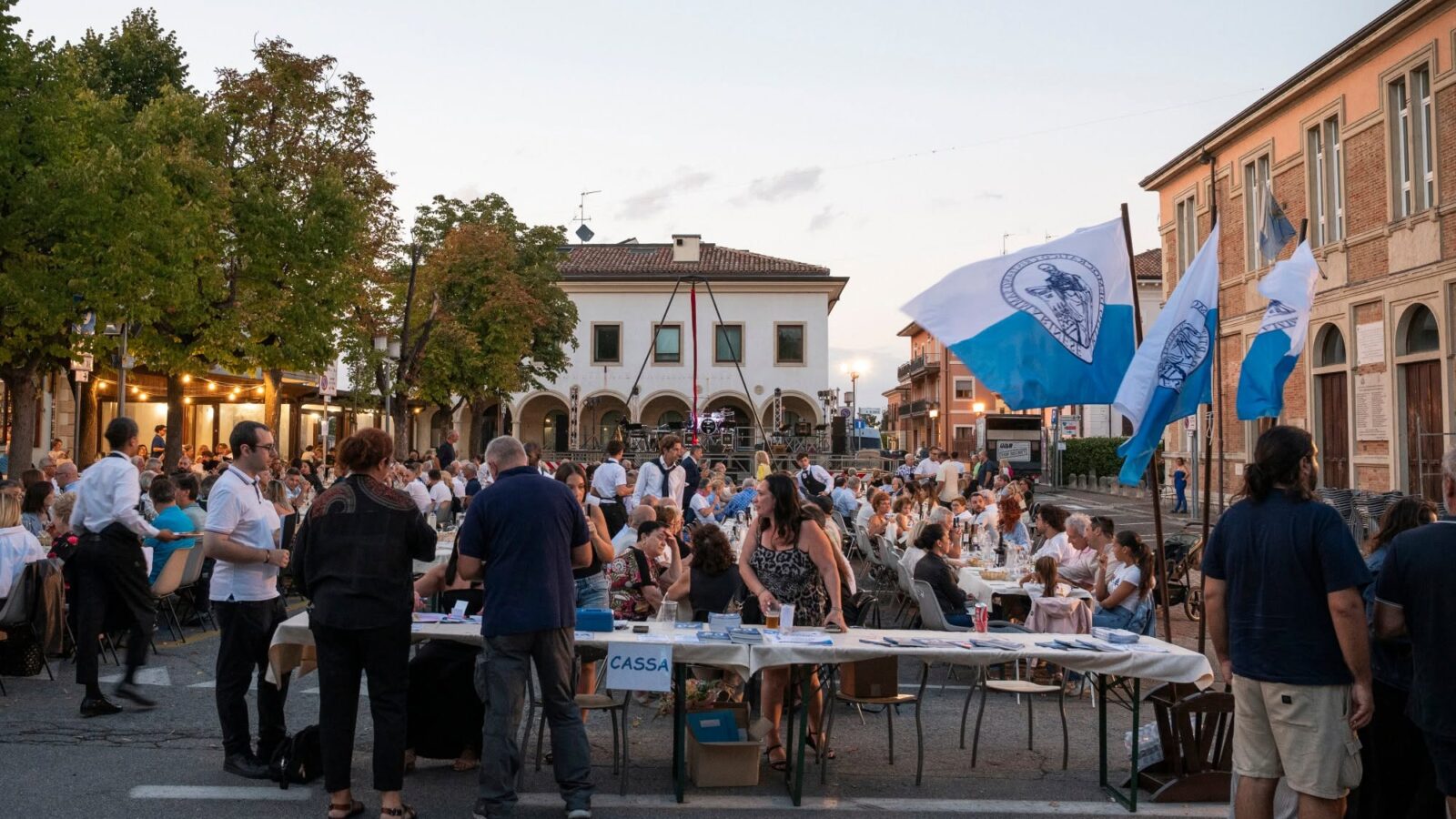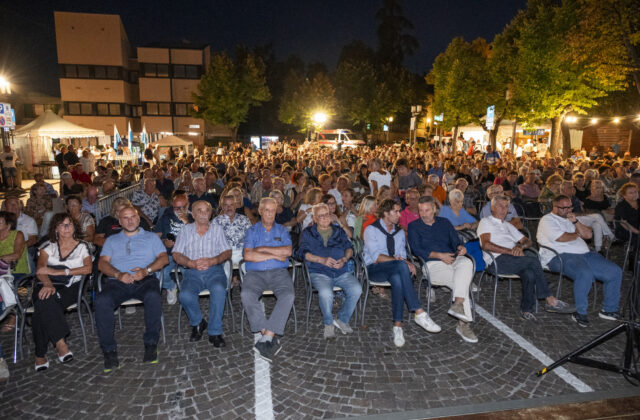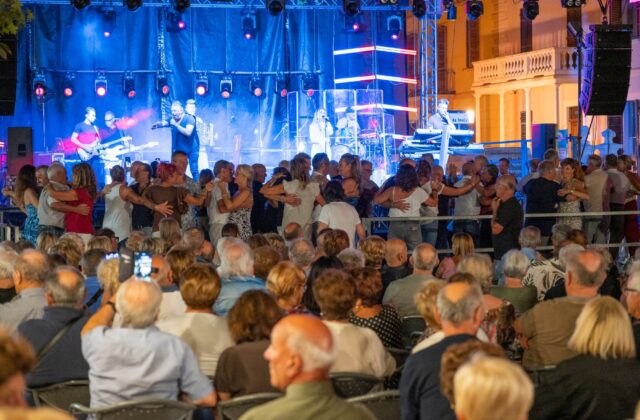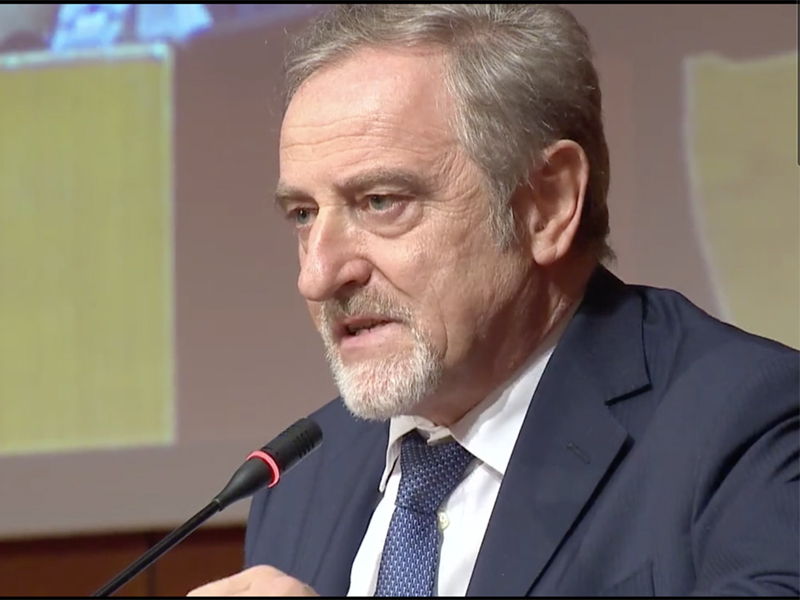
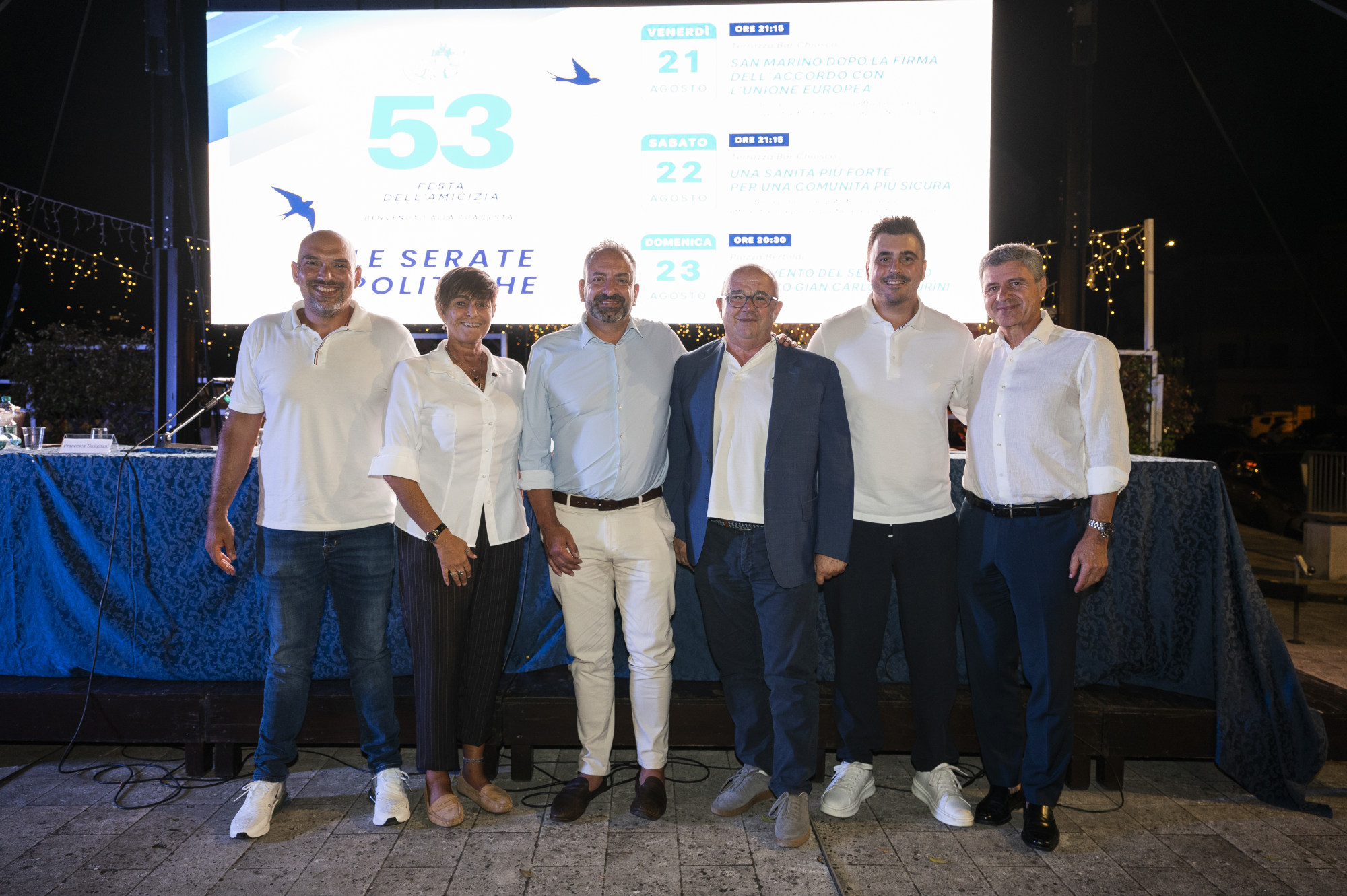
The Association Agreement with the European Union, the opportunities it opens up for citizens and businesses, and the choices San Marino will need to make during its implementation phase. These were the central themes of the first evening of the 53rd Festa dell’Amicizia (Friendship Festival) of the Christian Democratic Party of San Marino (PDCS), which opened on Friday, 21 August and runs through Sunday across Piazza Bertoldi, Parco Dante Alighieri and the Terrazza Ex-Ritrovo in Serravalle. According to the PDCS, the opening drew “large crowds across the various areas of the festival.”
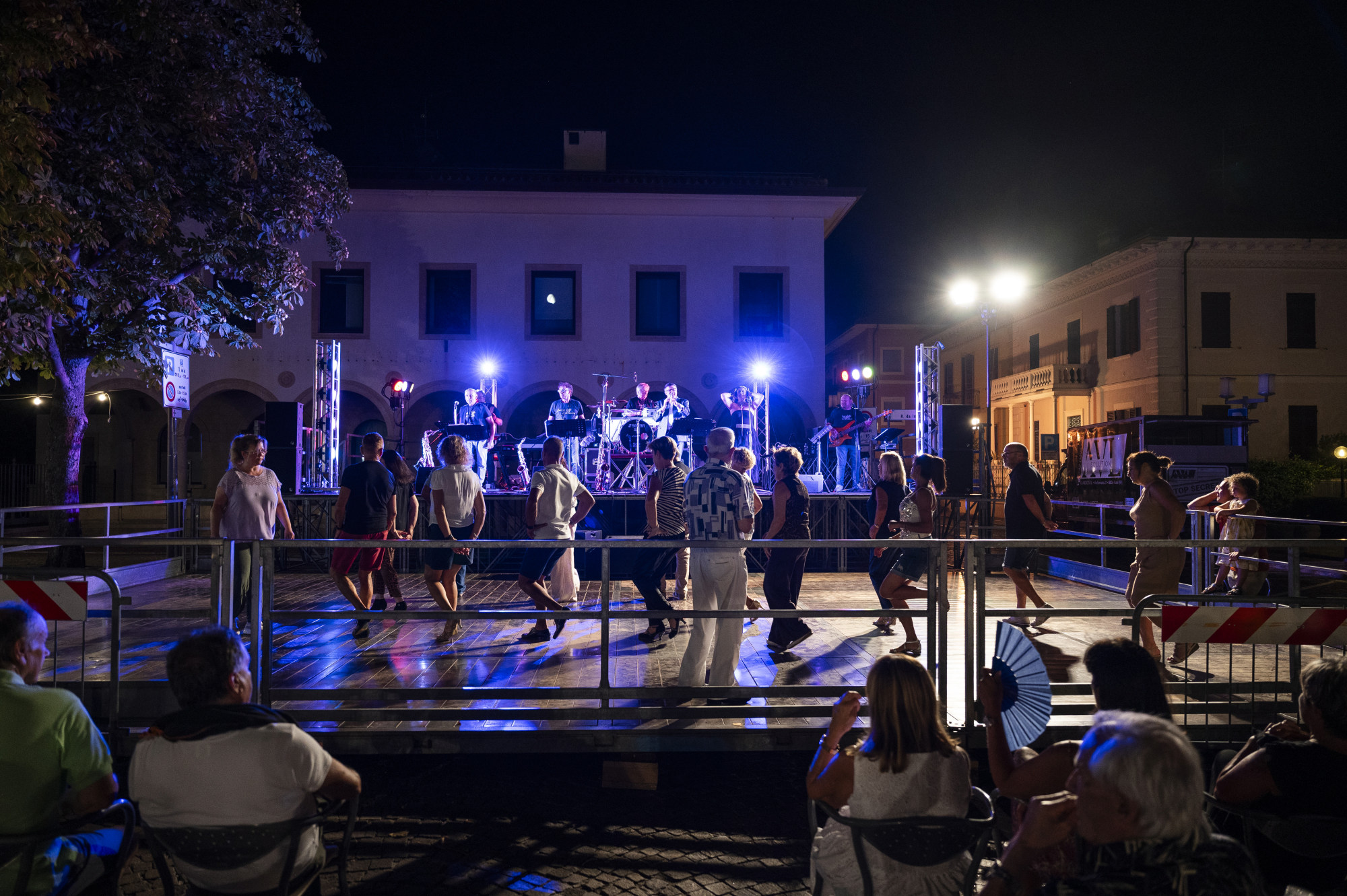
The day began at 6:30 pm with Mass at the Serravalle parish church in memory of departed friends, followed by the traditional dinner in Piazza Bertoldi. Entertainment followed, including an aerial dance performance by Virginia Martelli, dialect poet Checco Guidi and the orchestra La Nuova Romagna Folk, while the Revolution Live Band performed at Parco Dante Alighieri.
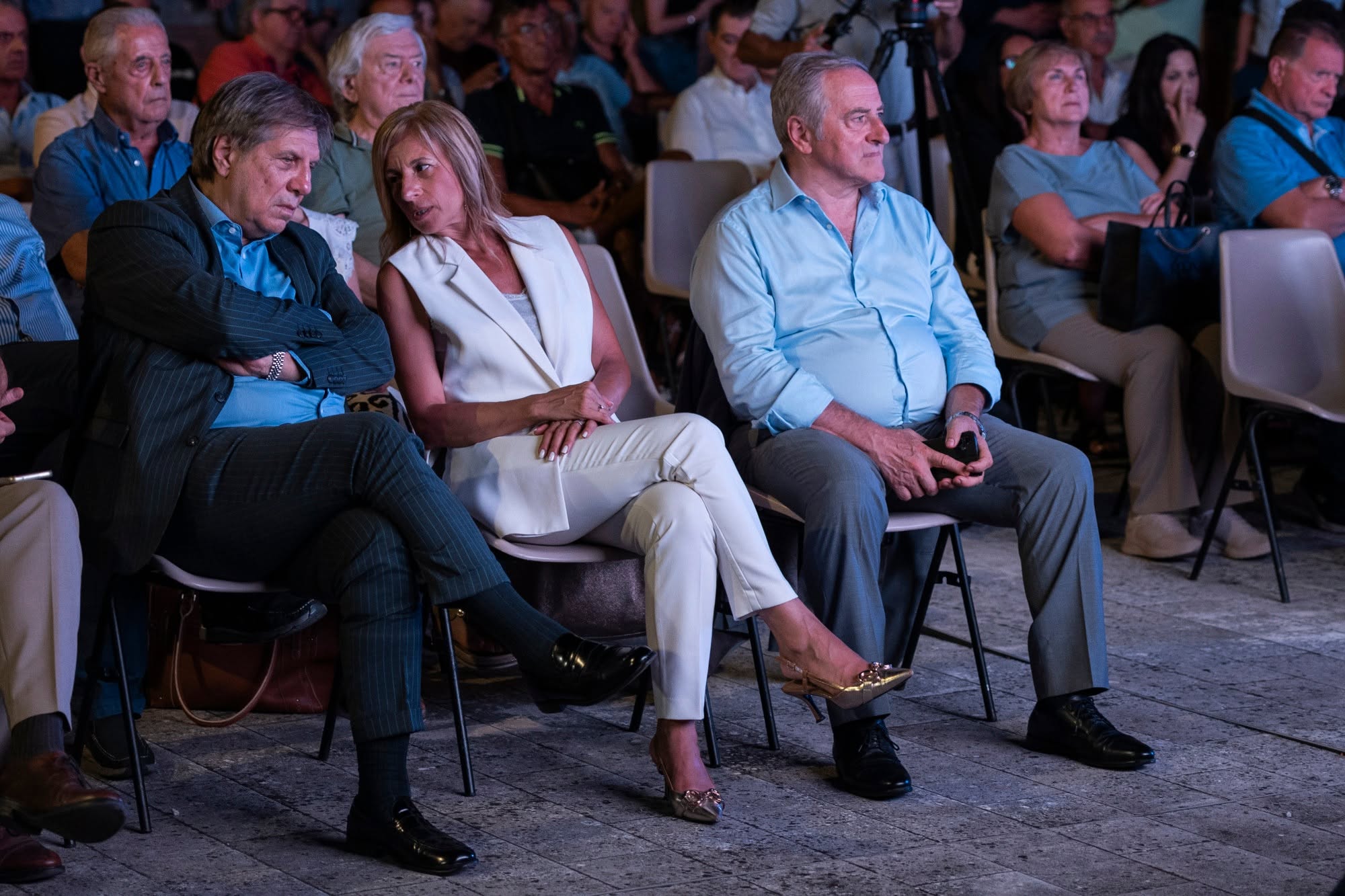
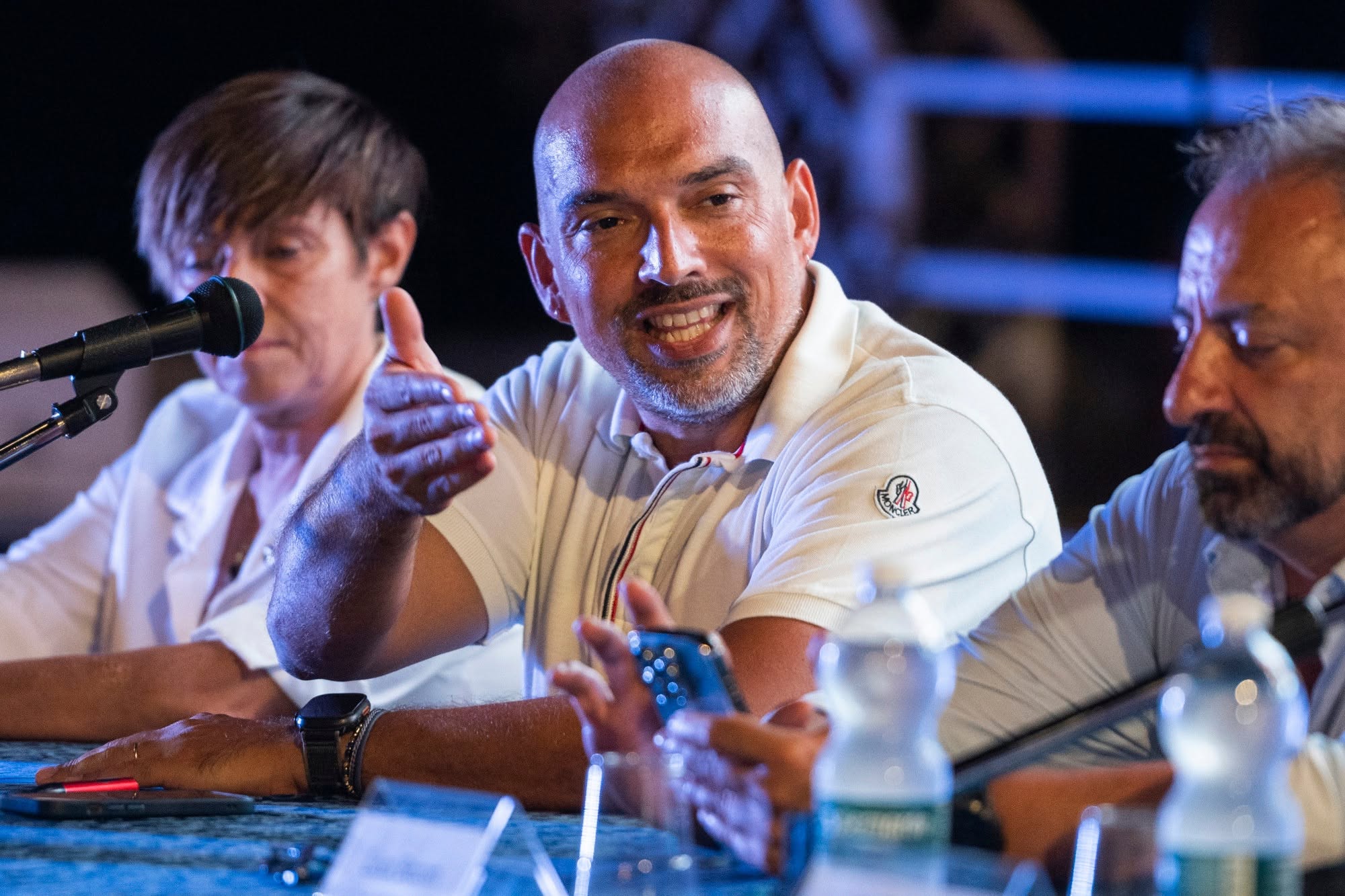
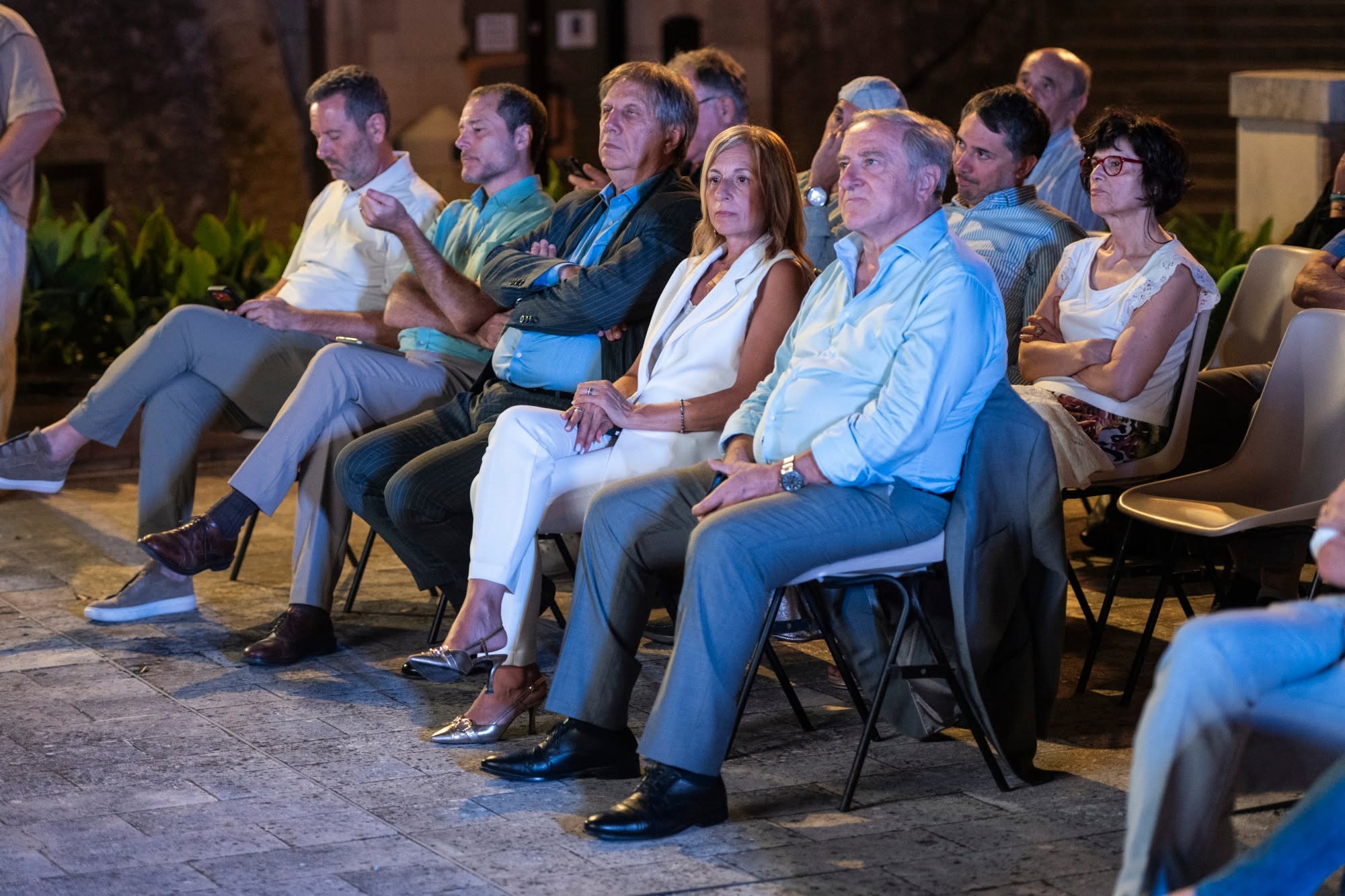
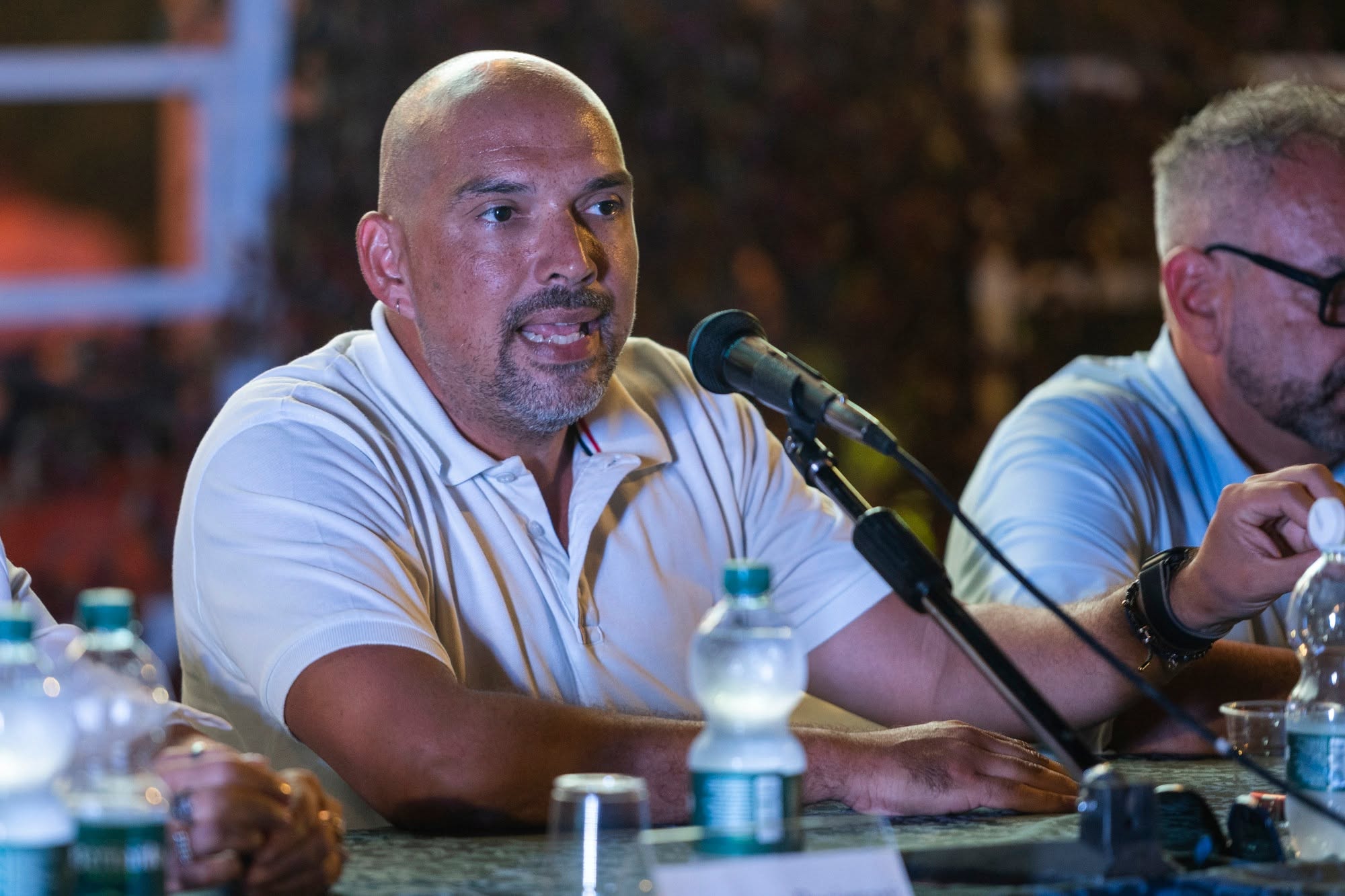
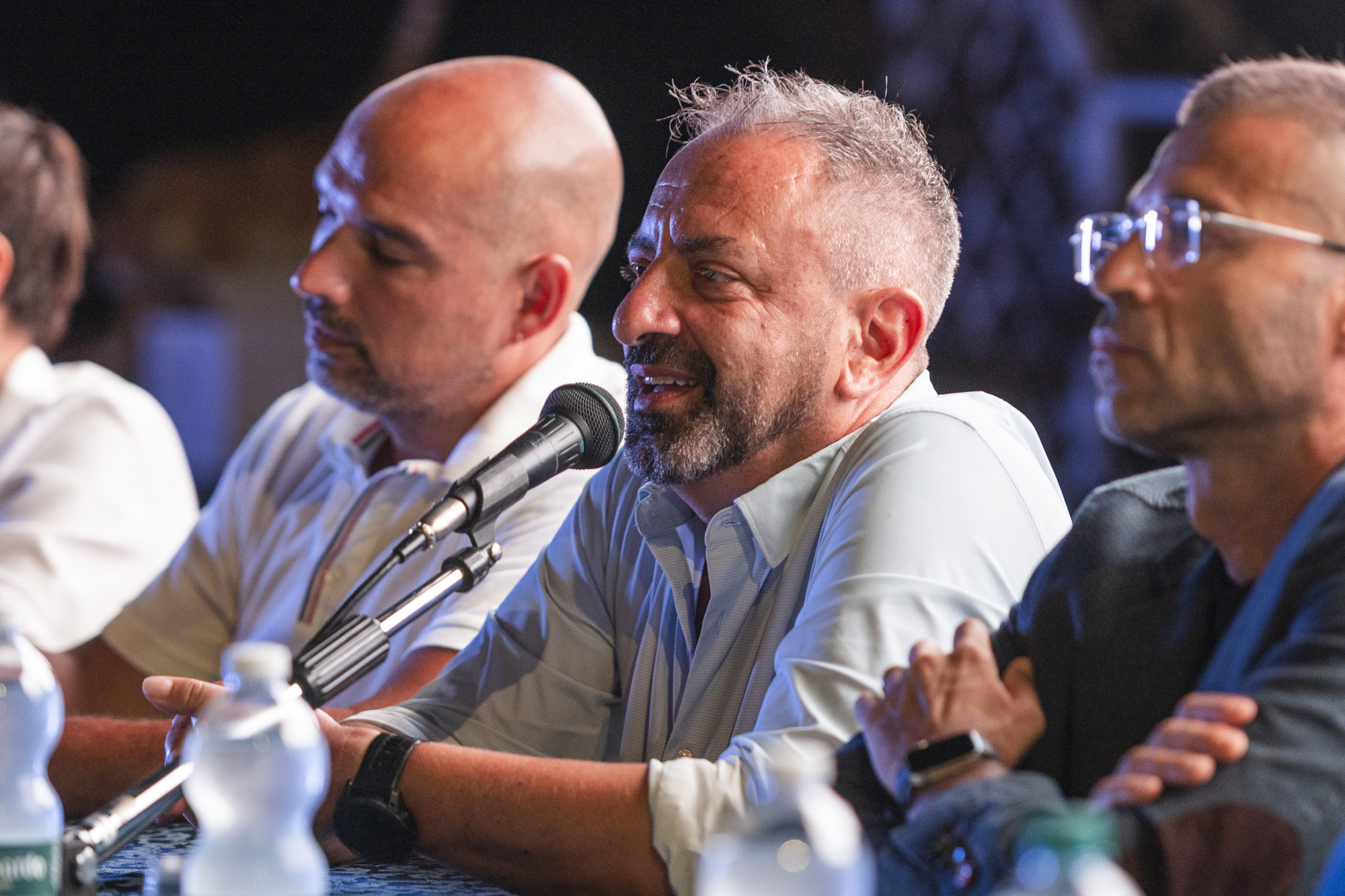
The political heart of the evening moved to the Terrazza Ex-Ritrovo, where a panel discussion titled “San Marino after the signing of the Agreement with the European Union” was held, moderated by journalist David Oddone. Speakers included Luca Beccari, Gian Nicola Berti, Michele Muratori, Matteo Rossi, William Vagnini and Francesca Busignani. Andrea Menicucci of Repubblica Futura did not take part in the debate as a gesture of solidarity following the sudden death of councillor Matteo Fiorini, who was remembered at the start of the evening.
Secretary of State for Foreign Affairs Luca Beccari was the first to underline the significance of the agreement, describing it as “a historic, watershed moment, comparable in scope to the 1939 Convention with Italy: not an instrument that curtails sovereignty, but a framework that opens new possibilities.” According to Beccari, the principle of equivalence is central: “it will allow San Marino’s citizens and businesses to engage with the single market with rights and opportunities that are not fully accessible today.”
The foreign affairs secretary also highlighted the shift in approach the country will need to make. The agreement does not entail San Marino joining the European Union, but rather aims to simplify access to the single market and European services. On the domestic front, the priorities identified are digitalisation and energy, alongside the need to modernise the state administration. “Implementing the Agreement,” Beccari added, “must become an opportunity to modernise the Public Administration and make it more digital, faster and closer to citizens and businesses. The real challenge is not about quantifying new hires, but about rethinking services, skills and organisation in order to actively seize the opportunities of this new relationship with Europe.”
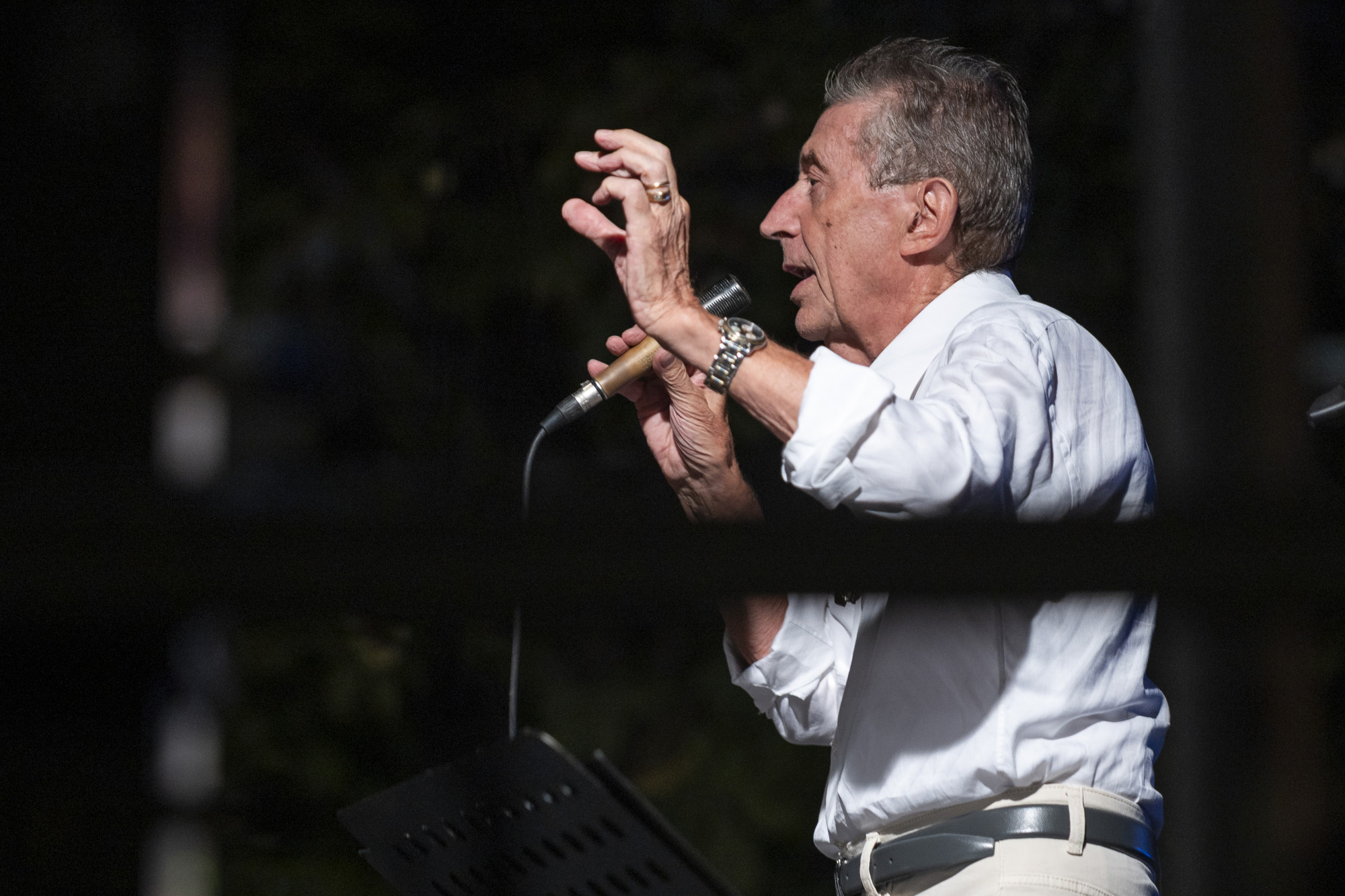
Senator Domenica Spinelli also spoke at the event, describing the outcome achieved as “a success for the whole country” and stressing that the phase of concrete implementation of the agreement is now beginning. Spinelli also referred to the relationship between Italy and San Marino, describing the bond between the two states as “a relationship that takes on an almost ‘family’ dimension” — one that, even within the new European scenario, must continue to translate into cooperation and practical solutions for citizens.
Michele Muratori, leader of the Libera parliamentary group, stressed the need to clearly explain what the association entails: “San Marino is not joining the Union as a member state, but is gaining access to the single market and its four freedoms, as well as new channels for prior consultation on European regulations.” For Muratori, the agreement also represents “a tool capable of strengthening protections and concrete opportunities for students, workers and the economic system.”
Speaking on behalf of the business community, ANIS Secretary General William Vagnini focused on the principle of equivalence and the potential to cut costs and bureaucratic hurdles in dealings with the European market. “The Association,” he said, “will allow companies to compete on more level terms and could make San Marino more attractive to foreign investors as well, particularly if the country manages to pair this new framework with efficient administration and digital innovation.” Vagnini also brought up the issue of the transition from the monophase sales tax system to VAT, and identified energy, water and waste management as sectors where investment should be concentrated.
On the trade union side, Francesca Busignani, Secretary General of the USL, called for the implementation phase to be accompanied by clear communication: “citizens, workers and cross-border commuters need to understand what will change in their daily lives, what adjustments will be required, and what benefits they can expect.” She concluded by calling for “an overarching vision, not isolated measures — one capable of holding together development, protection of people, public services and healthcare, while keeping the wellbeing of the San Marino community and the relationship with cross-border workers as top priorities.”
Gian Nicola Berti, secretary of Alleanza Riformista, acknowledged the years of work carried out on the European dossier and identified the Public Administration’s ability to provide fast services as one of the main challenges ahead. According to Berti, digitalisation, energy, waste and tourism infrastructure are among the areas requiring attention, in the belief that “the restored stability of public finances must now open a phase of targeted investment and greater planning capacity.”
For Matteo Rossi, leader of the PSD parliamentary group, the signing of the agreement must become the starting point for defining an economic strategy. “With the signing, San Marino now presents itself as a new player within a much larger market and must decide what kind of economy it wants to build, which investors to attract and which sectors to prioritise. Infrastructure,” he observed, “must follow from this vision, as part of a growth agenda capable of using the Agreement as a lever for the country’s relaunch.”
The Festa dell’Amicizia continues on Saturday, 22 August. At 9:15 pm, a panel discussion titled “A stronger healthcare system for a safer community” will be held, featuring Massimo Andrea Ugolini, Manuel Ciavatta, Denise Bronzetti, Fabio Righi, Gian Matteo Zeppa, Milena Frulli and Enzo Merlini, moderated by David Oddone. Piazza Bertoldi will also host entertainment, while the Live Festival continues at Parco Dante Alighieri.
The festival will close on Sunday, 23 August, when at 8:30 pm PDCS political secretary Gian Carlo Venturini will deliver the closing political address. The Rimini Dance Company and the Omar Codazzi orchestra will follow. Food stalls and exhibition stands will remain open throughout the event, while the 2026 Lotteria dell’Amicizia (Friendship Lottery) draw is scheduled for Sunday evening.