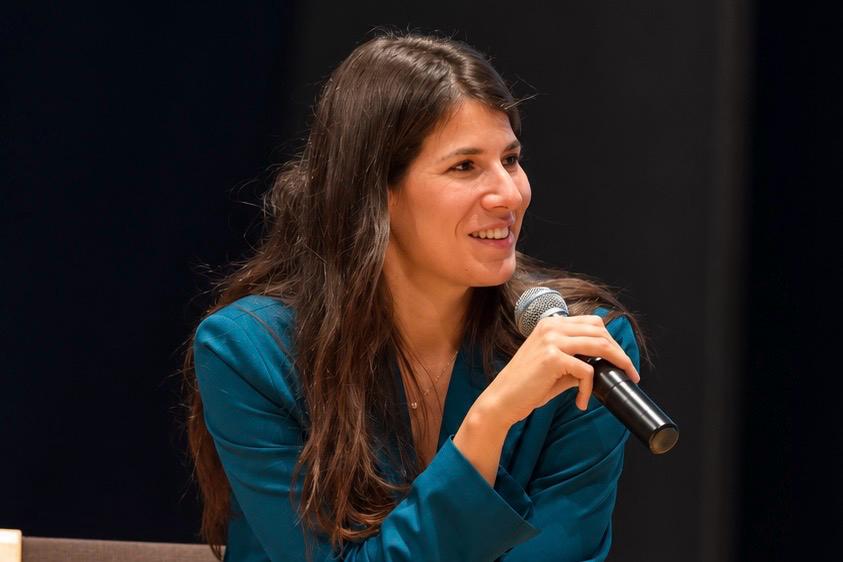
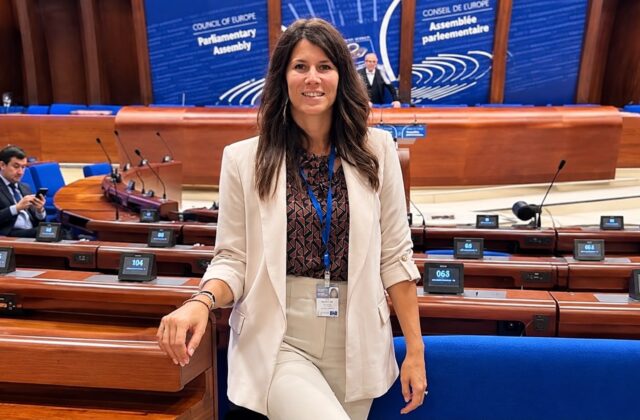
The new in-depth column curated by Giulia Muratori, secretary of Libera San Marino, continues.
________________________________________________
Tomorrow I have to go back to work. What if it happens again? Who do I tell? If the person sending me those messages is the same one who decides my shifts, what happens when I tell her to stop? And if the only way out of this situation I can see is resigning, how will I pay next month’s rent?
I’d like to start from these questions in the week of 25 November, the International Day for the Elimination of Violence against Women. When we ask a woman to speak, we also have to ask ourselves what happens afterwards.
The fear of losing one’s job or income can weigh as heavily as the fear of not being believed. And for those who suffer violence even outside that context, work can be the resource that allows them to become independent and break free from a situation of dependency.
This coming Wednesday, 25 November, the first reading of the bill on preventing and combating violence and harassment in the workplace is scheduled in the Grand and General Council (Consiglio Grande e Generale), presented by the Secretariat of State for Labour.
The text implements Convention No. 190 of the International Labour Organization, ratified by San Marino in 2022, and follows a process of dialogue with social partners.
I sincerely hope the Council will accept the request for urgent procedure. After the postponements of previous sessions, it is time to give these protections the priority they deserve.
The bill recognises that work-related harassment can also occur through a chat or a message, when there is a direct link to the employment relationship or to the organisation of work.
It also provides that anyone who has filed a complaint or report for violence or harassment at work may resign for just cause with immediate effect, through a confidential procedure, even before a final court ruling.
Those who choose to leave that job can thus access support benefits, if they meet the requirements. This is concrete protection for those who, until that point, saw the loss of income as a reason to stay.
There is also a measure concerning those who suffer domestic violence. The bill provides for up to one hundred working days of paid leave, which can also be taken in installments over a three-year period, for those enrolled in a protection programme certified by the ISS social services.
The measure covers employees, in both the public and private sectors, as well as self-employed workers, for whom an allowance is provided. Those days can be used to meet with those overseeing the protection programme, attend an appointment, or reorganise one’s life.
Being able to do so while relying on an income changes the possibilities available to a person.
The bill on workplace harassment is one piece of a broader commitment.
With the majority’s motion, we have identified other priorities to work on.
The first is to recognise violence earlier. Schools can do a great deal, by teaching respect and working with families and services to identify the signs of abuse and mistreatment. For this reason, it is also important to consider restoring explicit protection for the confidentiality of those who report, especially for professionals who have a duty to do so.
Then there is what happens after a request for help.
A woman who wants to leave a situation of violence must be able to rely on a listening centre with adequate psychological and social support. And once the first stage of assistance ends, she must have the concrete possibility of supporting herself and finding a home where she can live safely.
This is where measures such as financial support, microcredit and access to independent housing can make a difference. Prevention also requires involving men and offering programmes for those who have already committed violence or risk doing so.
I hope the Council will be able to examine the bill swiftly and that the commitments set out in the motion will soon be followed through as well.
25 November reminds us of a responsibility that lasts all year long. In the coming months, we will be able to measure our work against very concrete things, from how easy it is to ask for help to what chances a woman has of rebuilding a safe life for herself.
Giulia Muratori